Stairlifts for Narrow Stairs

Stairlifts for narrow stairs use compact seats, slim rails and careful positioning to preserve usable stair space. Straight and curved models may be suitable, but stair width, bends, doorways, user measurements and safe access must be assessed before installation.

Book a free assessment

Expertise in Narrow Stairlift Assessment and Installation

Keeping the Stairway as Clear as Possible

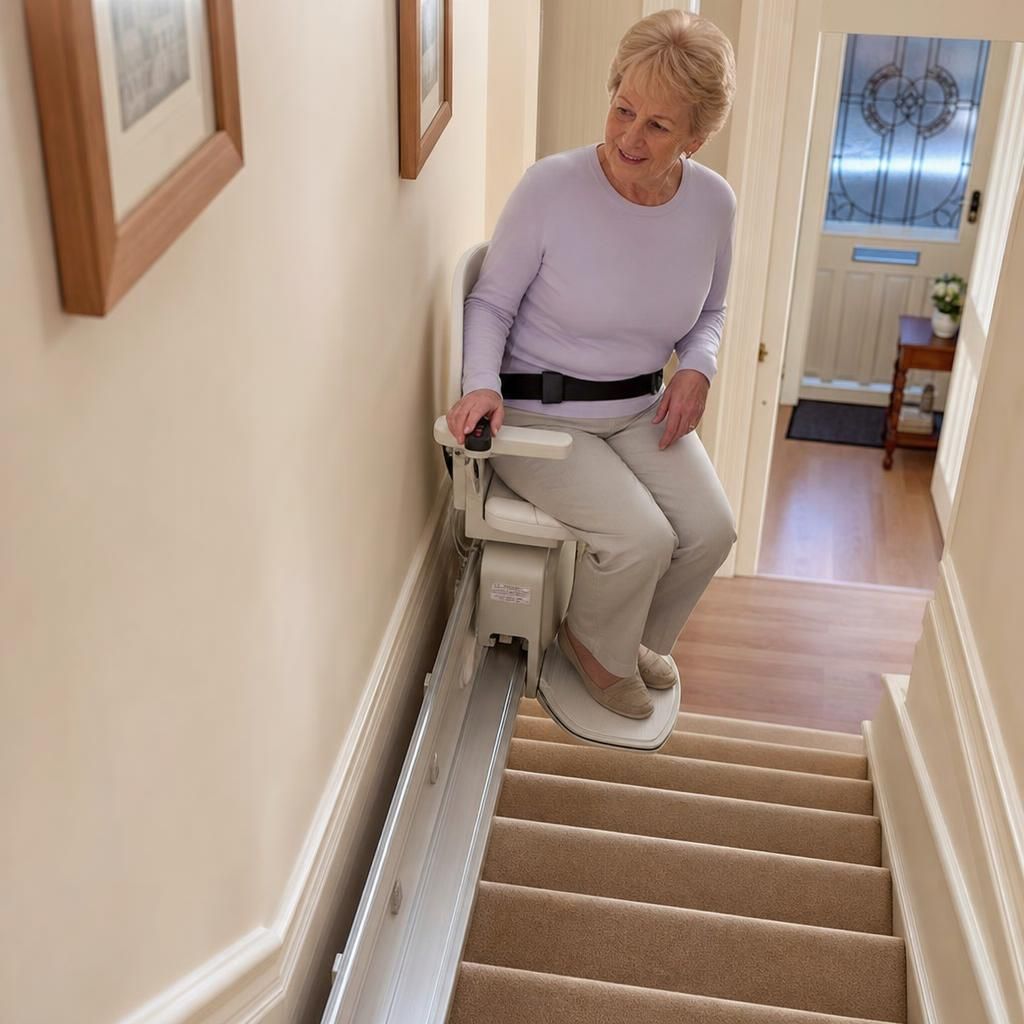
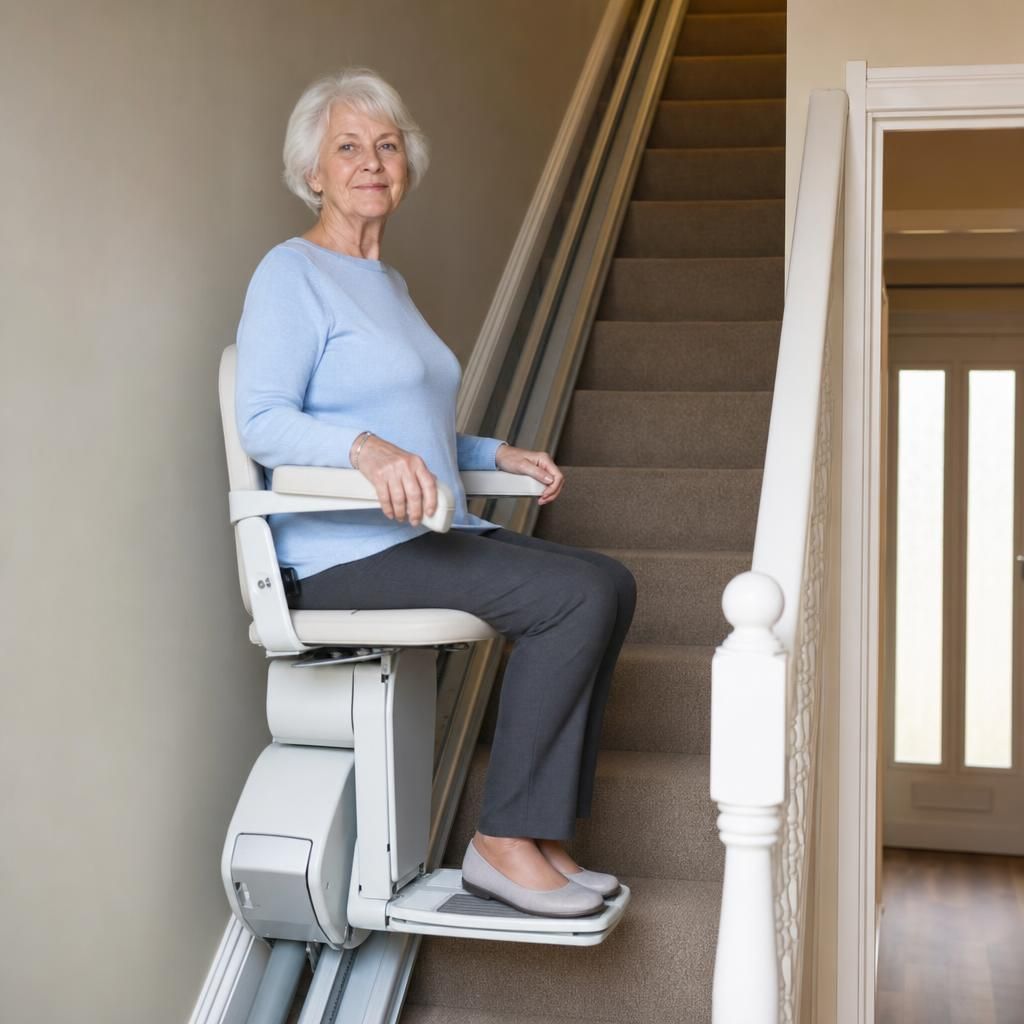
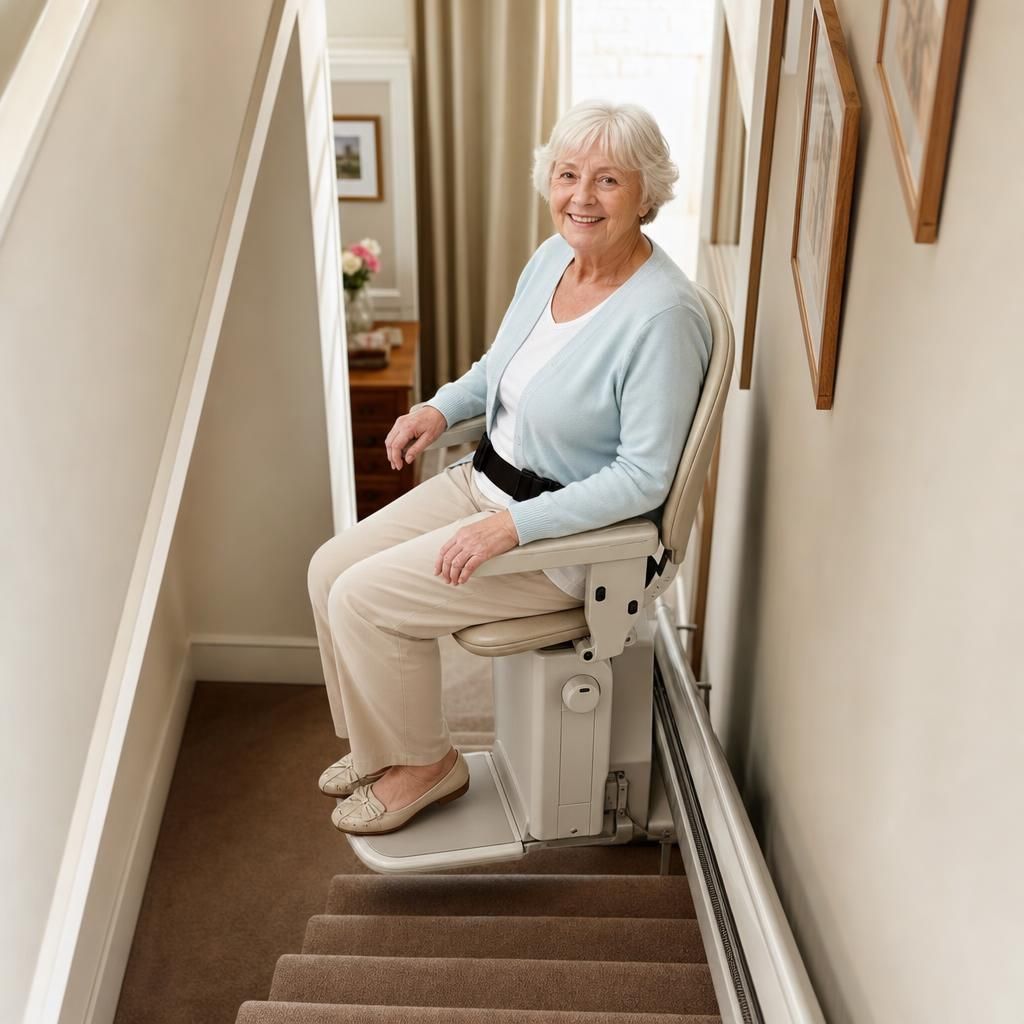
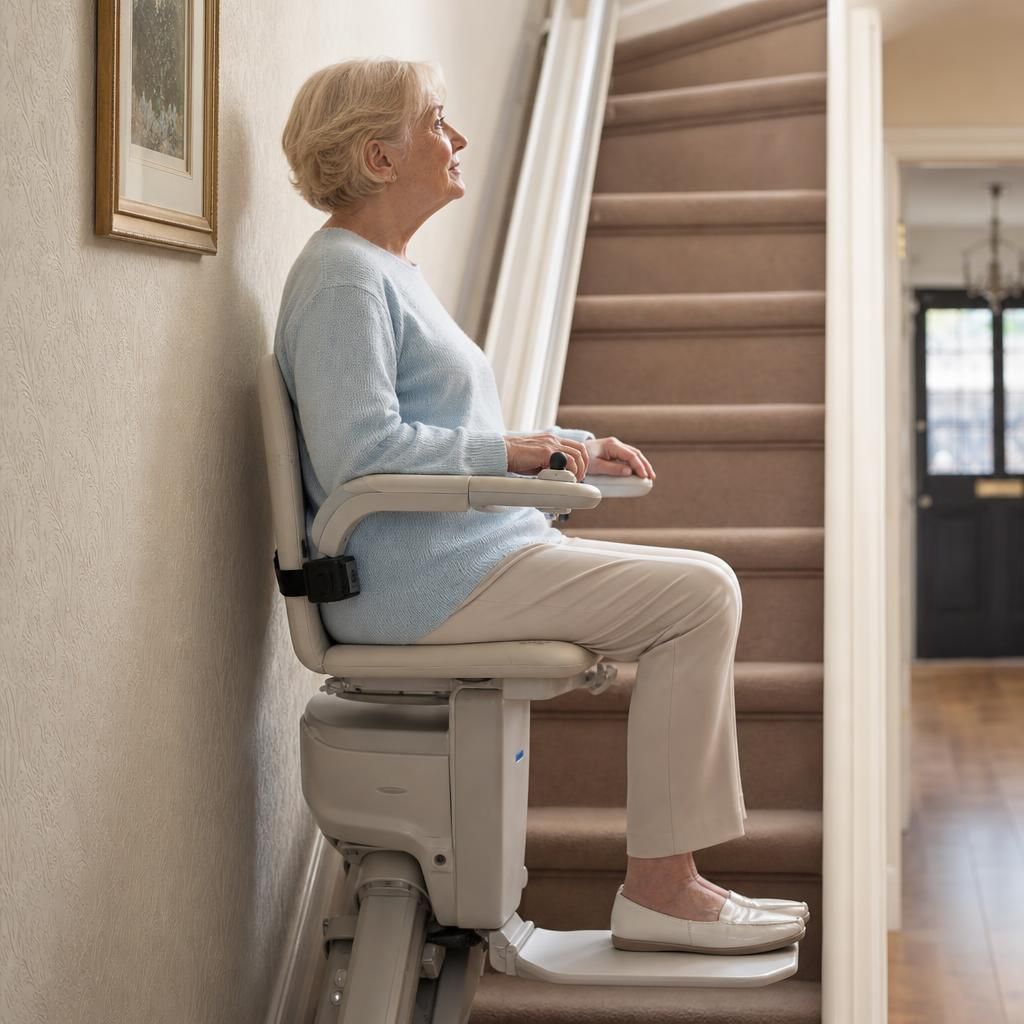
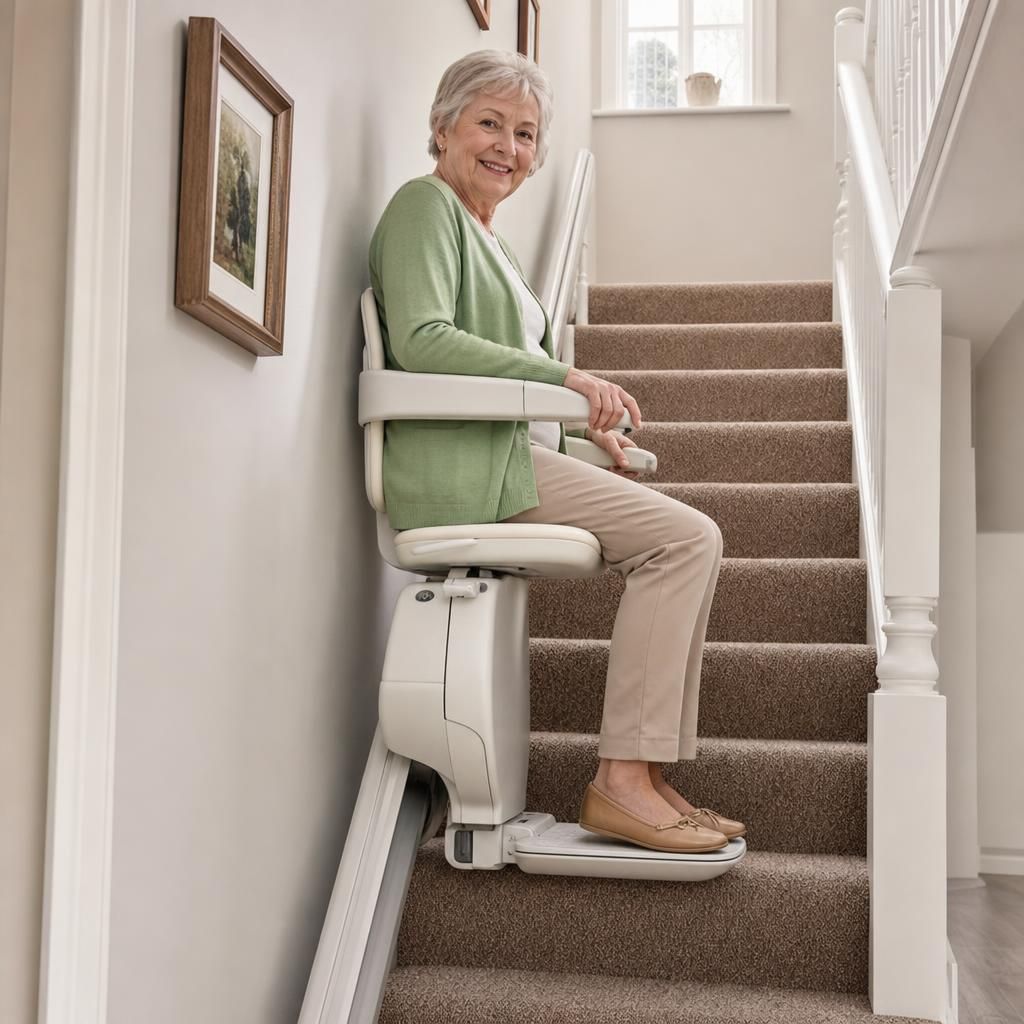
A narrow-stair assessment considers the lift when travelling and when parked. A folding seat, arms and footrest can reduce the space used when the stairlift is not in motion, while the rail position must still allow safe use of the steps and nearby doors.

Matching the Seat to the User

Seat width, armrest position, footrest length and swivel operation all affect suitability. A compact seat is not automatically appropriate if it makes transfers difficult or leaves insufficient room for the user’s knees and feet. Measurements should be considered alongside the person’s mobility and posture.

Working Around Handrails and Obstructions

Existing handrails, radiators, door openings and wall features can restrict where a stairlift rail is installed. The assessment identifies potential contact points and considers whether a rail adjustment, handrail alteration or different parking position is needed without compromising support on the stairs.

Curved Stairlifts for Complex Layouts

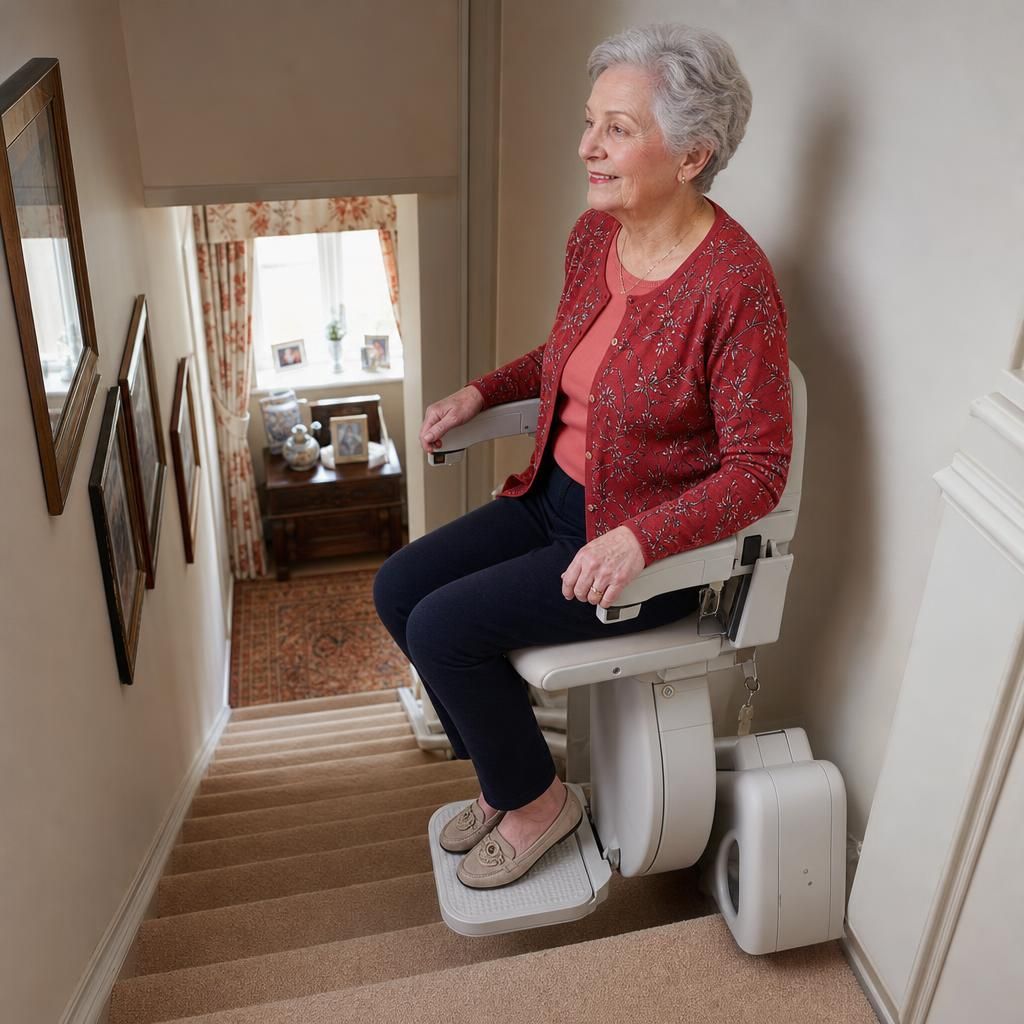
Curved stairlifts are made to follow the shape of an individual staircase, including bends, intermediate landings and changes in direction. Their suitability depends on the complete route and the available parking areas, not simply the narrowest section of the stairs.

Checking Transfers and Controls

Safe use includes getting on and off the seat, operating the controls and positioning the lift at the top and bottom of the staircase. Independent Stairlifts considers transfer direction, control accessibility and whether a powered swivel or other adjustment would make everyday use more manageable.

Installation Followed by Practical Testing

After fitting, the stairlift should be tested along the full route, including start and finish positions, bends, charging points and safety sensors. Independent Stairlifts checks operation in the home environment so that the finished installation works with the staircase and the user’s normal routine.

Assessment, Installation and Ongoing Support

Stairlifts for narrow stairs are assessed and installed with attention to clear stair width, safe transfers, rail position and access at the top and bottom. A home assessment identifies suitable compact equipment and any safeguards needed, such as a hinged rail where the track could affect a doorway or walkway.

Before installation, the proposed configuration, operating requirements, warranty terms and aftercare arrangements should be explained clearly. If a fault or concern arises, contact the installation and service team for advice, inspection and repair; do not continue using the stairlift if it is behaving unusually or appears unsafe.

How is a narrow staircase assessed?

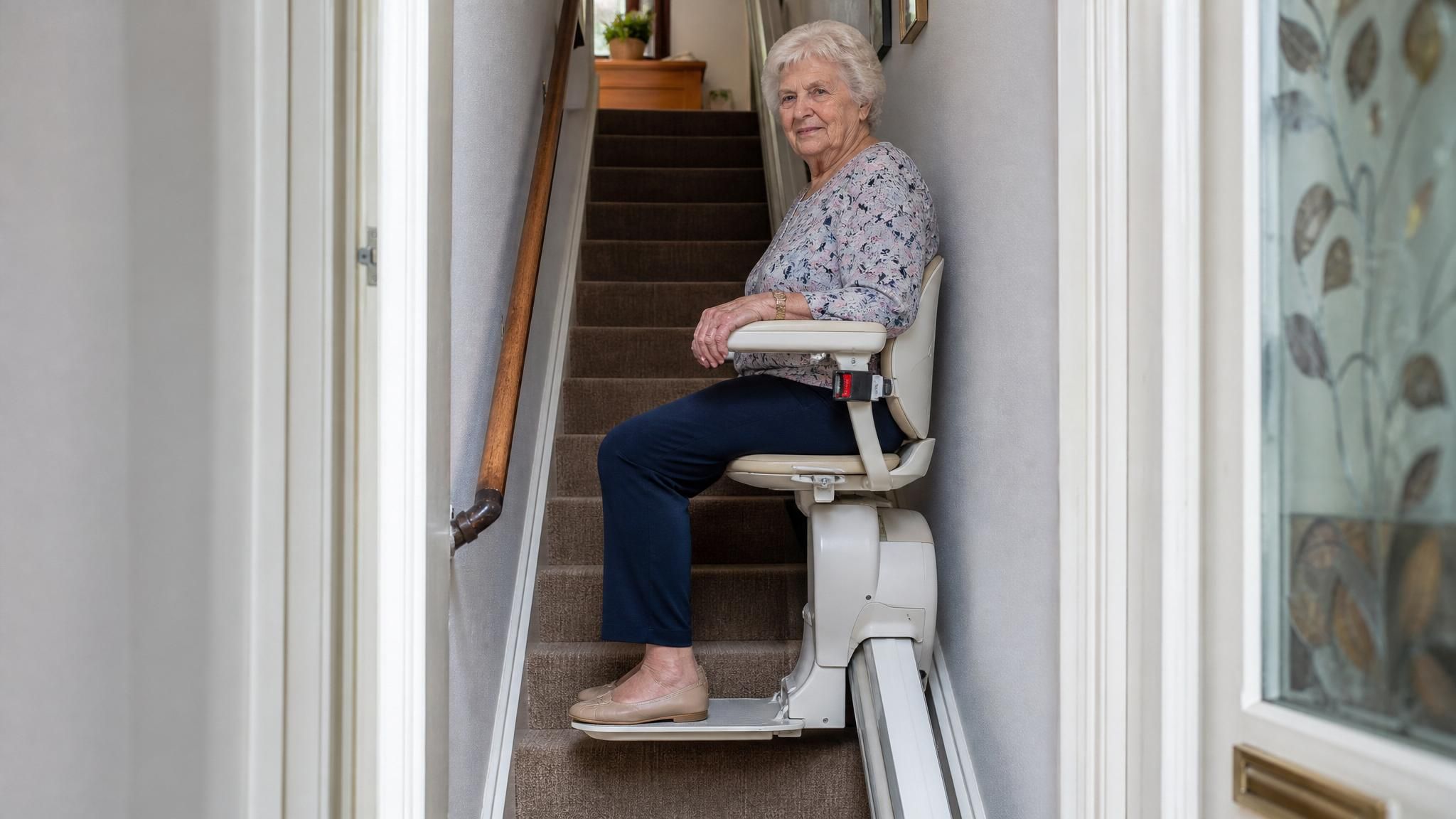
A narrow-stair assessment checks whether a stairlift can be installed while retaining safe clearance for the user and other people using the stairs. The assessment covers more than the width between the walls.

What the home assessment considers

An assessor should check the staircase profile, bends, landings, doorways, handrails, radiator positions and available space at the top and bottom. User measurements and transfer needs are also important, as a compact seat may suit one person but not provide adequate comfort or support for another. For curved stairs, the rail is measured and designed for the individual staircase rather than selected as a standard straight run.

Will a stairlift leave enough room?

A stairlift for narrow stairs is positioned to preserve practical clearance wherever the staircase layout allows. The amount of remaining space depends on the equipment, rail position, seat dimensions and how the stairs are used.

Managing clearance and access

Slimline seating, a raised or folding footrest and a carefully positioned rail can help reduce obstruction, but no configuration should compromise safe use. A hinged rail may be considered where the track could project into a doorway, hall or walkway. The proposed folded and open positions should be discussed during the assessment, including how other household members will pass the lift and whether the user can transfer safely at each end.

What safety features should be explained?

Safety features help the user operate a stairlift securely on a restricted staircase, but they do not replace correct measurement, installation or safe operating practice. The relevant controls and protective features should be demonstrated before handover.

Controls, transfers and safe operation

Depending on the model, safety provisions may include a seat belt, obstruction sensors, swivel or folding seating, and controls that stop the lift if an obstruction is detected. Users should be shown how to sit down and stand up safely, use the controls, charge the lift and keep the stairway clear. If the lift stops unexpectedly, makes an unusual sound or moves irregularly, stop using it and contact the service team for advice rather than attempting a repair.

What happens if there is a problem?

A clear aftercare process gives you a route to follow if a narrow-stair stairlift develops a fault or the user needs help with its operation. Warranty and service arrangements should be confirmed before installation.

Warranty, servicing and fault reporting

The quotation and installation documentation should set out what is covered, how long the warranty applies and how to request assistance. If a fault occurs, note what the stairlift is doing, stop using it if it appears unsafe and contact Independent Stairlifts for guidance and inspection. Do not remove covers, adjust the rail or bypass a safety feature; a qualified technician should diagnose the issue and carry out any required repair.

Bespoke Stairlift Solutions for Narrow Stairs

A bespoke stairlift for narrow stairs is configured around the staircase and user, rather than selected by width alone. Compact seating, close-fitting rails and carefully planned parking positions can help retain access, while bends, steep sections, doorways and landing space determine whether a straight or curved solution is appropriate.

Independent Stairlifts assesses these details before recommending equipment, installation and aftercare.

Comfort-led seating

Seat dimensions, armrest position and swivel direction can be selected to support safer transfers and a more comfortable journey on a confined staircase.

Controls suited to the user

Controls can be positioned and explained around the user’s reach, grip and vision, with practical guidance provided for everyday operation.

Folding components

Folding armrests, footrests or rails may help reduce obstruction when the stairlift is parked, subject to the staircase layout and equipment specification.

A discreet home fit

Rail routing, seat style and finish can be considered together so the completed installation sits neatly within the character and available space of the home.

Safety considered in detail

A bespoke recommendation accounts for transfers, visibility, obstructions and the user’s operating ability rather than treating stair width as the only requirement.

Quality backed by clear advice

Independent Stairlifts explains the proposed equipment, installation requirements and ongoing support so the specification can be considered before any commitment is made.

What to Expect When Arranging a Stairlift for Narrow Stairs

Arranging a stairlift for narrow stairs involves assessing the staircase, measuring available space, discussing user requirements, selecting suitable equipment and planning installation. The following steps explain how Independent Stairlifts develops a safe, practical solution.

  1. 01

    Discuss the staircase and user’s needs

    Begin by explaining who will use the stairlift, how often it is needed and any difficulties with transfers, balance or bending. Share relevant details about the staircase, including tight turns, intermediate landings, doors and nearby walkways.

  2. 02

    Arrange a home assessment

    An assessor examines the full staircase and the spaces around it rather than judging suitability from stair width alone. They consider rail positioning, available headroom, access to the seat and whether the user can safely get on and off at each end.

  3. 03

    Review suitable narrow-stair options

    The recommended configuration may include a compact seat, a closely positioned rail or a folding or hinged component where space is restricted. For a staircase with bends or landings, the track design must follow the route without creating an avoidable obstruction.

  4. 04

    Confirm the proposed installation

    You should receive a clear explanation of the recommended stairlift, its controls, charging arrangements, safety features and any work needed around the staircase. Check that the quotation, warranty and ongoing service arrangements are understood before approving the plan.

  5. 05

    Prepare the access route

    Before installation, remove loose items and identify any furniture, doors or floor coverings that could interfere with the work or the stairlift’s movement. The installer can confirm whether temporary access changes are needed while the equipment is fitted.

  6. 06

    Install, test and demonstrate the stairlift

    The stairlift is secured to the stairs, adjusted to suit the user and tested along its complete route. The installer should demonstrate the controls, safety sensors, swivel or folding functions and charging procedure, and explain who to contact if a fault develops.

Questions About Stairlifts for Narrow Stairs

What features make a stairlift suitable for narrow stairs?

Compact stairlifts are specifically engineered to fit narrow staircases, offering enhanced manoeuvrability and smoothly navigating limited spaces. With options like slimline rails, they maintain full functionality without compromising safety.

How do stairlifts accommodate different staircase designs in narrow spaces?

Stairlifts for narrow stairs include features like swivelling seats and folding arms to navigate tight corners, efficiently integrating with various staircase types, such as spiral or steep designs, ensuring accessibility.

What are the safety features of stairlifts for narrow stairs?

Safety features include retractable seat belts, emergency stop buttons, and pressure-sensitive edges that halt motion if obstacles are detected, ensuring users navigate narrow stairs securely and with confidence.

What factors should be considered when choosing a stairlift for narrow stairs?

Consider factors such as staircase dimensions, user weight capacity, available features like swivel seats, and foldable components to ensure the stairlift efficiently fits and functions within the narrow space.

How do stairlifts for narrow stairs maintain user comfort without compromising space?

Ergonomic design, adjustable seating, and customisable controls ensure comfort while preserving space, allowing seamless integration into narrow staircases without sacrificing ease of use or accessibility.

Reliable Support and Aftercare for Your Narrow Stairlift

A properly assessed and installed stairlift should include clear operating guidance, warranty information and access to aftercare support. If your narrow-stair lift develops a fault, stop using it and contact the service team for advice and safe repair.

Contact Us

Request a free assessment

No obligation. We will talk through your staircase and options.

Ease of Use Commendation — Arthritis FoundationAll of our stairlifts carry the Ease of Use Commendation.

Questions to Ask Before Choosing a Stairlift for Narrow Stairs

What specific features should I look for in a stairlift designed for narrow stairs?

Look for stairlifts that offer adjustable width features and swivel seat options to enhance both comfort and safety on narrow staircases. These options maximise accessibility without compromising on usability.

How can the installation of a stairlift for narrow stairs be customised to the specific needs of my home?

Installation can be tailored by assessing staircase dimensions, choosing compact lift designs, and considering features like hinged rails or slimline models for seamless integration in limited spaces.

What are the common misconceptions about stairlifts for narrow stairs that I should be aware of?

A common misconception is that stairlifts for narrow stairs lack comfort or stability. However, modern designs offer advanced features like adjustable seats and space-efficient rails, ensuring a safe and comfortable ride.

What factors should I consider to ensure a stairlift for narrow stairs meets all my safety standards?

Ensure safety by evaluating stairlift weight capacity, seatbelt functionality, and obstruction sensors. Prioritise compact designs with ergonomic controls to navigate narrow stairs securely, adhering to all safety regulations and standards.

How do I determine the best stairlift model for my narrow stairs among various options?

Evaluate your needs, available space, and specific staircase features while considering models with compact track designs and slimline profiles to optimise functionality in confined areas.

Discuss Your Narrow-Stair Stairlift Options

For advice on a stairlift for narrow stairs, arrange a home assessment with Independent Stairlifts. We can review your staircase, explain suitable compact options and outline installation, costs and aftercare before you decide.

Contact Us

Request a free assessment

No obligation. We will talk through your staircase and options.

Ease of Use Commendation — Arthritis FoundationAll of our stairlifts carry the Ease of Use Commendation.