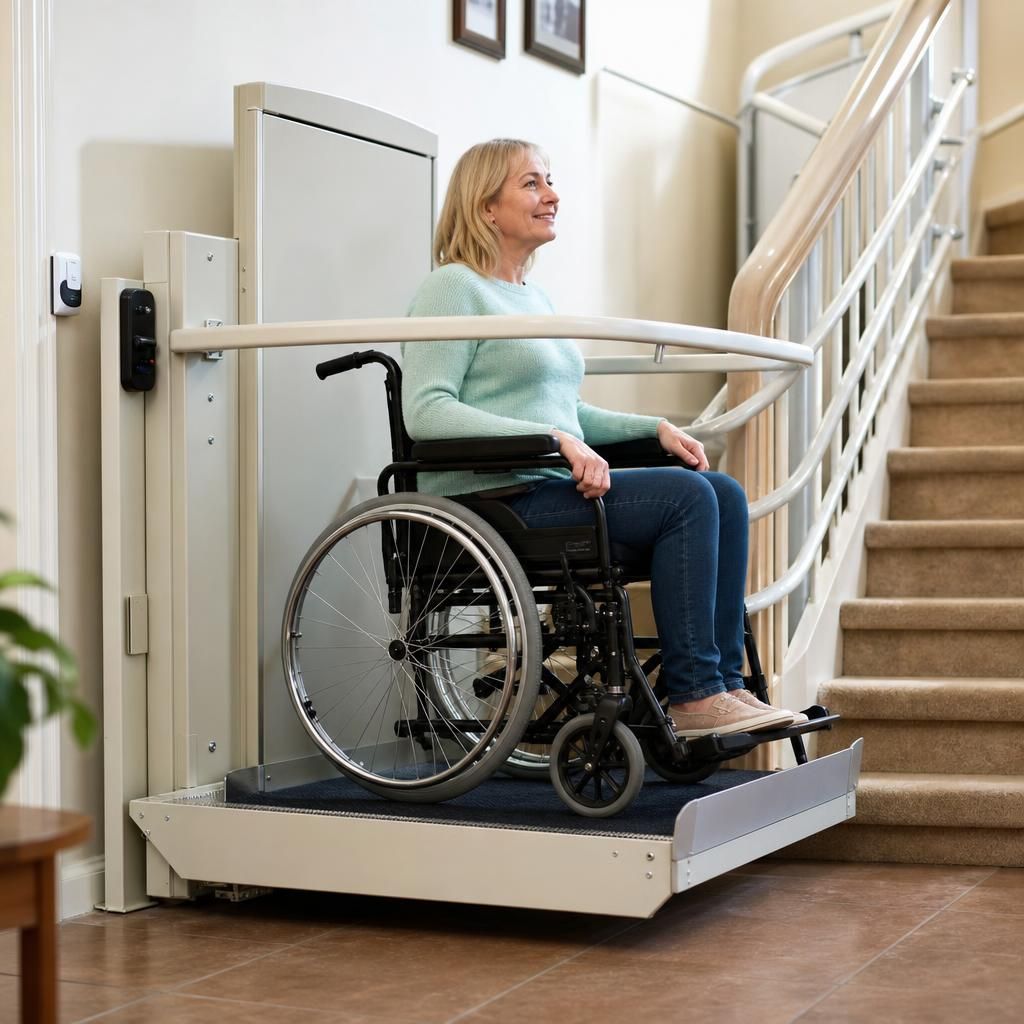
Stairlifts for Wheelchair Users

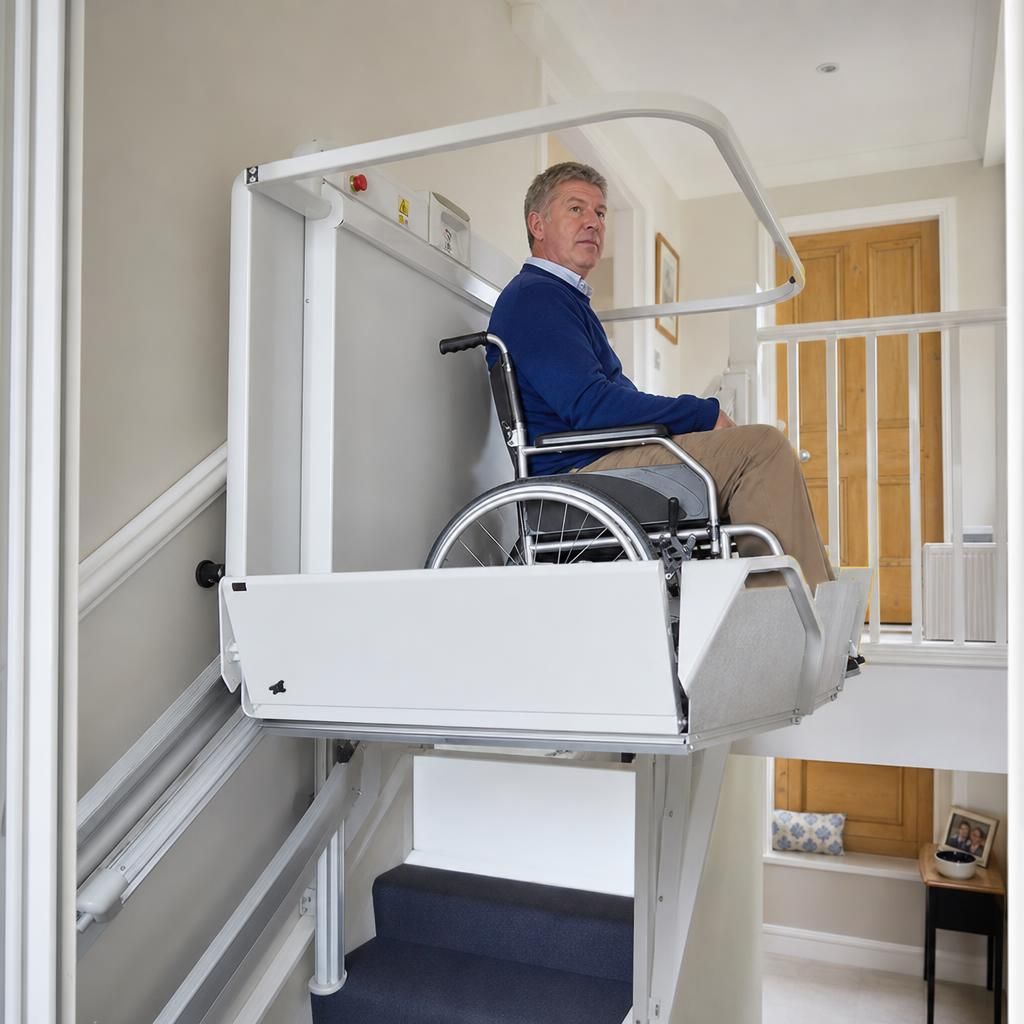
Stairlifts for wheelchair users are accessibility systems designed to move a person and, where appropriate, their wheelchair between levels. Options include transfer seats, wheelchair platform lifts and vertical lifts, selected according to the staircase, chair dimensions and available space.

Book a free assessment

Specialist Expertise in Wheelchair-Accessible Stairlift Solutions

Assessment Around the Wheelchair

A wheelchair-user solution must account for more than the staircase alone. Independent Stairlifts considers how the person transfers, whether the wheelchair can be stored or needs to travel, and how each floor is used before discussing suitable equipment.

Understanding Platform Systems

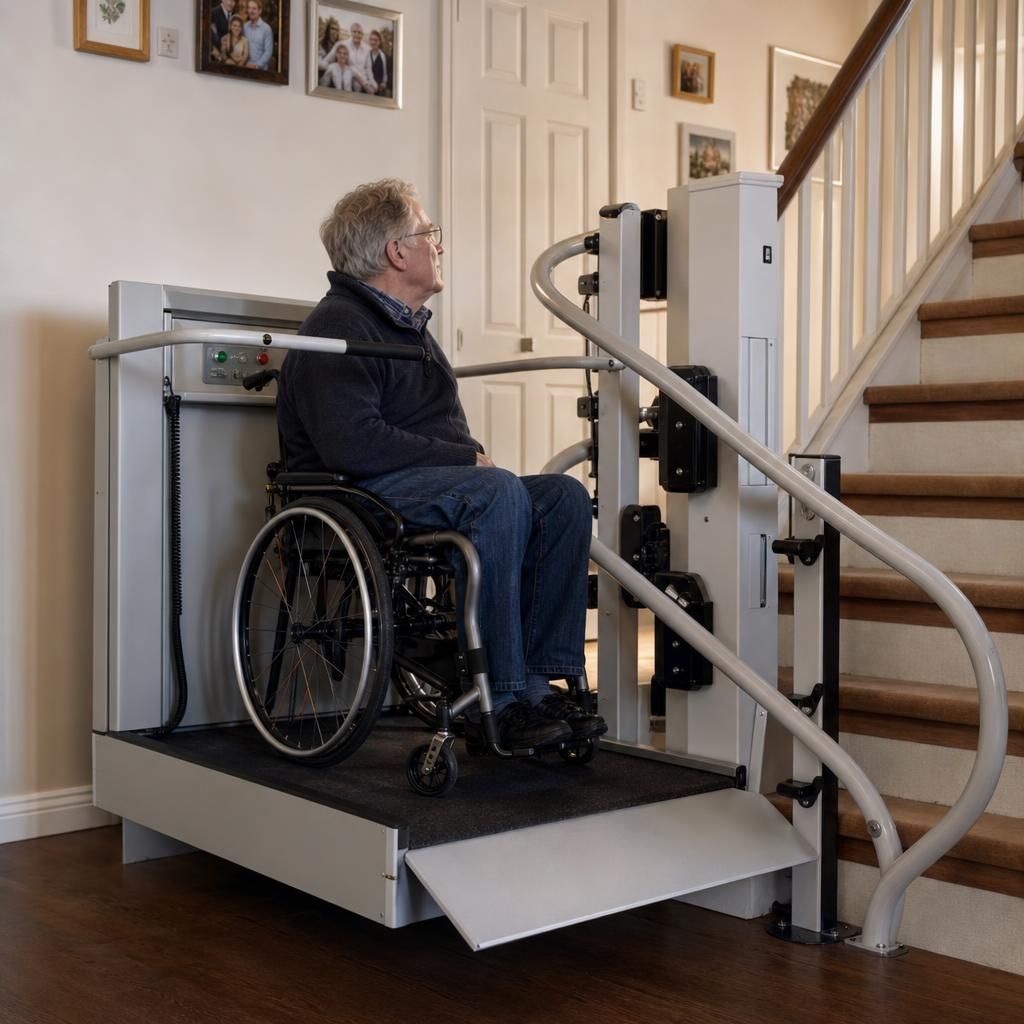
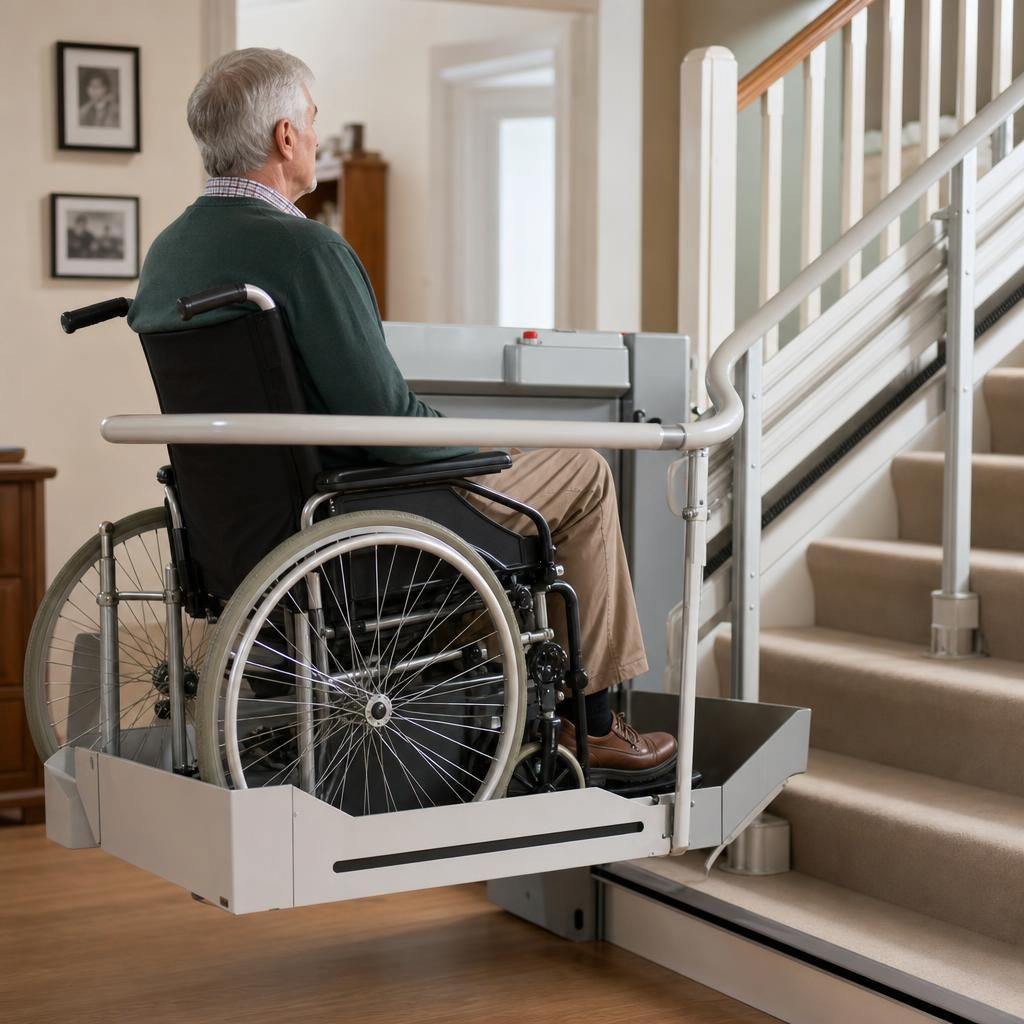
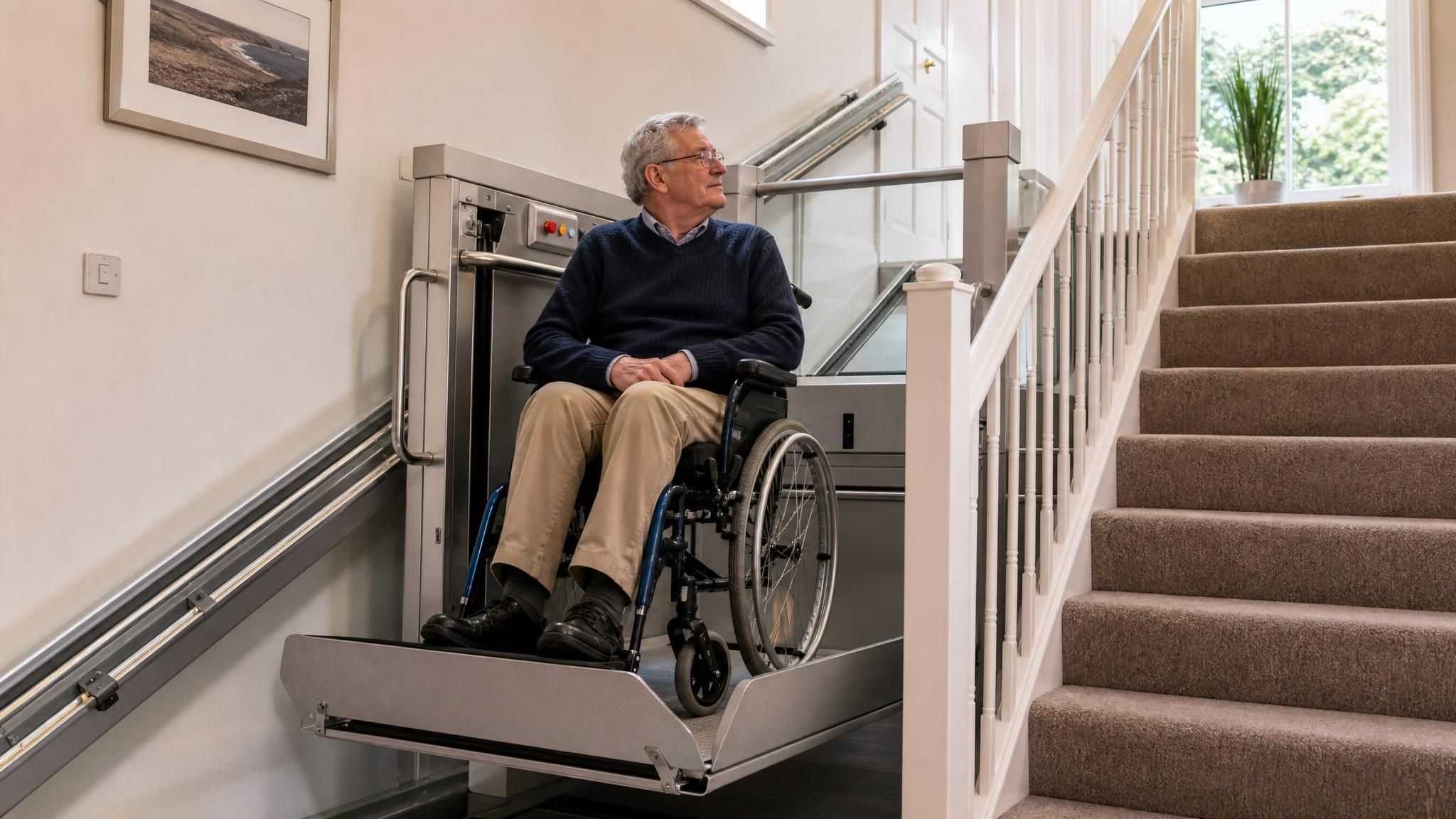
Platform stairlifts can carry a wheelchair along the stairs without requiring a transfer to a conventional seat. Their suitability depends on platform dimensions, turning areas, obstruction points and the space available at the top and bottom of the route.

Transfer Options Explained Clearly

Where a person can transfer safely, a stairlift with a suitable seat may provide a practical alternative to carrying the wheelchair between floors. Advice should cover transfer technique, seating position, arm support and where the wheelchair will be kept during travel.

Landing Access Matters

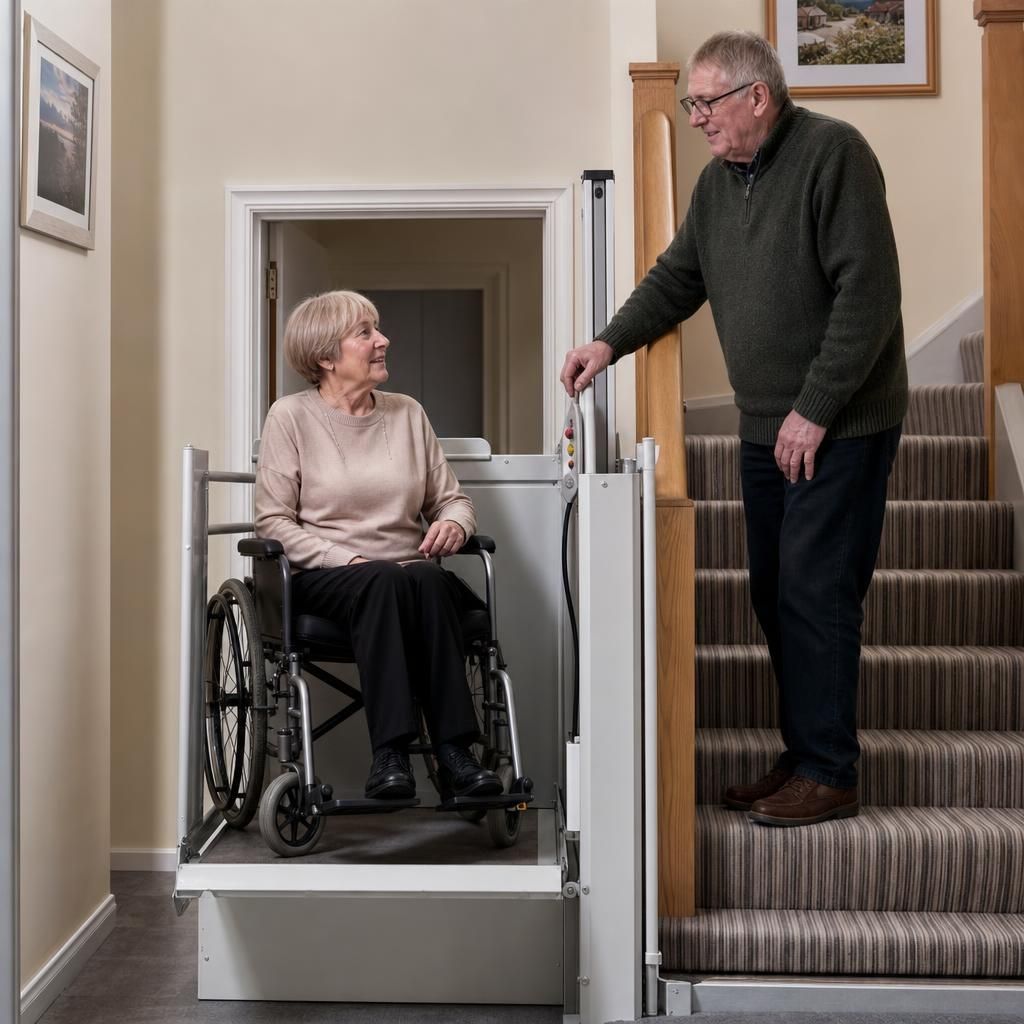
Reaching the next floor is only part of the assessment. The landing must provide enough room to approach, turn and leave the lift safely, while doors, corridors and changes in floor level may affect the overall accessibility of the route.

Bespoke Knowledge for Different Homes

Domestic staircases vary in width, shape and surrounding layout, so a standard assumption can lead to an unsuitable recommendation. Independent Stairlifts provides bespoke guidance for varied home environments, matching the equipment and installation approach to the way each property is used.

Safety, Guarantees and Aftercare

Safety, guarantees and aftercare for stairlifts for wheelchair users depend on the type of lift installed, whether the user transfers from the wheelchair, and the layout of the property. A professional assessment should check the wheelchair’s dimensions, platform clearance, loading position, access to landings, controls, restraints and emergency stopping procedures before installation.

Guarantee and servicing arrangements vary by product and installation, so request the terms in writing, including what is covered, exclusions, response arrangements and battery or component replacement. Regular servicing, prompt reporting of faults and keeping the platform, rails and access areas clear help maintain reliable operation; Independent Stairlifts can also advise on ongoing care for bespoke, platform and vertical lift systems.

Choosing the safest lift type

The safest option depends on whether the user can transfer from their wheelchair and whether the staircase or landing can accommodate the equipment.

Assessment before recommendation

A transfer stairlift may suit someone who can move safely into a stairlift seat, while a platform stairlift or vertical lift may be more appropriate when the user needs to remain in their wheelchair. The assessment should consider the chair’s overall width, length, height and weight, as well as turning areas, doorways, landing access and the position of the user’s carer. A recommendation should be based on safe day-to-day use rather than on the staircase alone.

Safe wheelchair transfers

Where a transfer is required, the process should be practical, repeatable and suitable for the user’s mobility level.

Planning the transfer routine

The installation should allow enough room to approach the seat, apply the wheelchair brakes and move between the chair and stairlift without obstruction. Users may need support from a carer, transfer board or other aid, depending on their abilities. The installer should explain how to position the wheelchair, secure the seat and use the lift, and should identify what to do if the user cannot complete a transfer safely on a particular day.

Wheelchair platform protection

Platform stairlifts are designed to carry a wheelchair on the stairs, but safe use depends on correct loading and securing of the chair.

Using the platform correctly

The wheelchair should be positioned within the platform’s marked area and secured using the supplied restraints or safety features before movement begins. The user should remain within the permitted travel position, with clothing, bags and mobility equipment clear of moving parts. The platform must not be overloaded or used with a chair that falls outside the manufacturer’s stated dimensions or weight limits. Independent Stairlifts can explain the operating sequence to the user and carer during handover.

Guarantee and installation cover

Guarantee protection is determined by the equipment supplied, the installation agreement and the manufacturer’s terms.

What to confirm in writing

Before proceeding, ask for written details of the guarantee period, the parts and labour included, exclusions, servicing requirements and the process for reporting a problem. Confirm whether cover applies to batteries, chargers, controls, upholstery, safety components and any alterations made to the property. Keeping the installation documents and service records together can help establish the equipment’s history if a repair or replacement part is needed.

Faults and aftercare support

A fault should be dealt with promptly, particularly where the lift is the user’s main route between floors.

What to do if the lift stops

Stop using the lift if it behaves unexpectedly, makes an unusual noise, shows a fault indication or fails to complete its movement. Follow the user instructions for safe recovery, but do not bypass switches, restraints or other safety devices, and do not attempt an internal repair. Contact the installer or service provider with the lift model, the symptoms and the user’s location in the property. A planned maintenance arrangement can help identify wear, battery deterioration and other issues before they affect everyday access.

Bespoke Stairlift Solutions for Wheelchair Users

Stairlifts for wheelchair users are access systems that move a person between floors, either with the wheelchair on a platform or after transferring to a stairlift seat. The suitable choice depends on the staircase, wheelchair dimensions, transfer ability and landing space.

Independent Stairlifts assesses these factors before recommending a bespoke platform, transfer or vertical lift solution for the home.

Wheelchair platform lifts

A platform lift carries the wheelchair user between floors without requiring a transfer. It can be suitable where the staircase and landings provide enough room for safe platform movement and access.

Transfer stairlift options

A transfer stairlift may suit users who can move from a wheelchair into a supportive seat. The wheelchair can then be available at the destination through suitable storage or a second mobility arrangement.

Vertical platform lifts

A vertical lift travels between floors rather than following the stairs. This can provide direct wheelchair access where a suitable shaft, entrance area or landing can be incorporated into the property.

Designed around the home

The lift configuration should account for stair width, bends, landings, doorways, headroom and the wheelchair’s turning space. Bespoke planning helps avoid relying on assumptions based on a standard stairlift installation.

Practical controls and restraints

Platform systems typically require secure entry, ramp or barrier protection, clear controls and suitable restraint arrangements. These features should be demonstrated during assessment so the user and carers understand how the lift operates.

What to Expect from Your Wheelchair Stairlift Assessment and Installation

The process for arranging a stairlift for wheelchair users begins with assessing the person, wheelchair and property. The following stages explain how Independent Stairlifts identifies suitable access options, confirms practical requirements and prepares for safe installation and ongoing support.

  1. 01

    1. Discuss your access requirements

    We begin by discussing the user’s mobility needs, wheelchair type, transfer ability and the parts of the property that need to be connected. This helps establish whether a transfer stairlift, wheelchair platform lift or vertical lift is likely to be appropriate.

  2. 02

    2. Assess the staircase and surrounding space

    A survey considers the staircase, landings, doorways, floor levels, turning areas and available room at the top and bottom. The assessment also checks whether the wheelchair can approach, enter and leave the lift safely.

  3. 03

    3. Check the wheelchair and loading requirements

    The wheelchair’s width, length, height and weight are checked against the proposed equipment. The assessor also considers whether the wheelchair remains on a platform during travel, or whether the user would transfer to a separate seat.

  4. 04

    4. Compare suitable lift configurations

    The available options are explained in relation to the property and the user’s routine. This includes platform size, folding or parking arrangements, controls, restraints, access to landings and any changes needed to keep routes clear.

  5. 05

    5. Confirm the specification and installation plan

    Once a suitable approach has been identified, the equipment specification, positioning, electrical requirements and installation arrangements are confirmed. Any practical preparation, such as moving obstructions or allowing access to the work area, should be agreed in advance.

  6. 06

    6. Install and test the equipment

    The lift is installed to suit the surveyed layout, then tested using its controls, safety systems, restraints and stopping functions. The installer should also check that the user can approach, board, travel and leave the lift safely.

  7. 07

    7. Receive operating guidance and aftercare information

    Before the installation is completed, the user and their family or carers are shown how to operate the lift, charge it where applicable, use emergency controls and report faults. Guarantee terms, servicing arrangements and routine care should be provided in writing.

Questions About Stairlifts for Wheelchair Users

How do wheelchair stairlifts work and what are my options?

Wheelchair stairlifts incorporate a secure platform for the wheelchair, allowing users to be effortlessly transported between floors without needing to transfer, ensuring a comfortable and safe experience.

What features should I look for in a wheelchair stairlift?

Consider features like weight capacity, ease of use, safety options, and compatibility with your existing home layout. Reliability and smooth operation are crucial for ensuring seamless mobility across different home levels.

What should I expect during a wheelchair stairlift installation process?

During installation, our experts ensure precise fitting, conduct safety checks, and provide user training for optimal performance. Expect a smooth process tailored to your home's layout and your mobility needs.

How do I maintain and service my wheelchair stairlift to ensure its longevity?

Regularly clean the track and platform, check for obstructions, and schedule professional servicing annually to maintain optimal functionality and safety of your wheelchair stairlift.

Are there space and structural considerations for installing a wheelchair stairlift at home?

Evaluate the stair width, landing clearance, and structural integrity to ensure a secure fit. Adjustments or reinforcements may be required for optimal functionality of the wheelchair stairlift.

Safe, supported wheelchair access at every stage

With the right assessment, wheelchair access can be planned around your equipment, staircase and transfer needs. Independent Stairlifts provides clear advice on suitability, installation and aftercare, including guarantee terms and servicing, so you can make an informed decision.

Contact Us

Request a free assessment

No obligation. We will talk through your staircase and options.

Ease of Use Commendation — Arthritis FoundationAll of our stairlifts carry the Ease of Use Commendation.

Questions to ask before choosing a stairlift for wheelchair users

What features should I look for in a stairlift specifically designed for wheelchair users?

Our wheelchair stairlifts feature robust safety mechanisms, such as non-slip surfaces and secure harnessing, ensuring worry-free mobility between floors. Each model is meticulously engineered for maximum stability and ease of use.

How can I ensure that my chosen stairlift is compatible with my home's structural layout and my personal needs?

Our team conducts a thorough site assessment, considering all architectural intricacies and your specific mobility needs, ensuring your stairlift integrates seamlessly with your home for optimal functionality and comfort.

What maintenance requirements should I be aware of to ensure the longevity of my stairlift for wheelchair users?

Regular inspection and gentle cleaning of tracks are essential. Engage professional servicing annually to maintain optimal performance and ensure all safety features remain fully functional. Immediate attention to any operating issues is crucial.

What are the weight capacity and dimensional considerations for a wheelchair stairlift in my home?

Ensure the stairlift's weight capacity matches both the wheelchair and user. Measure your stairway width to confirm sufficient space for a platform lift accommodating your specific wheelchair dimensions.

What are the key considerations for ensuring the electrical compatibility of a stairlift with my home's power supply?

Ensure your stairlift is compatible with your home's voltage and circuit capabilities. Verify dedicated circuits to prevent overloading and consult a professional electrician if specific electrical modifications are needed.

Discuss your wheelchair access requirements

Speak to Independent Stairlifts about your wheelchair access requirements. A home assessment can clarify whether a transfer-seat stairlift, platform lift or vertical lift is practical, with advice on space, safety, installation and ongoing support.

Contact Us

Request a free assessment

No obligation. We will talk through your staircase and options.

Ease of Use Commendation — Arthritis FoundationAll of our stairlifts carry the Ease of Use Commendation.