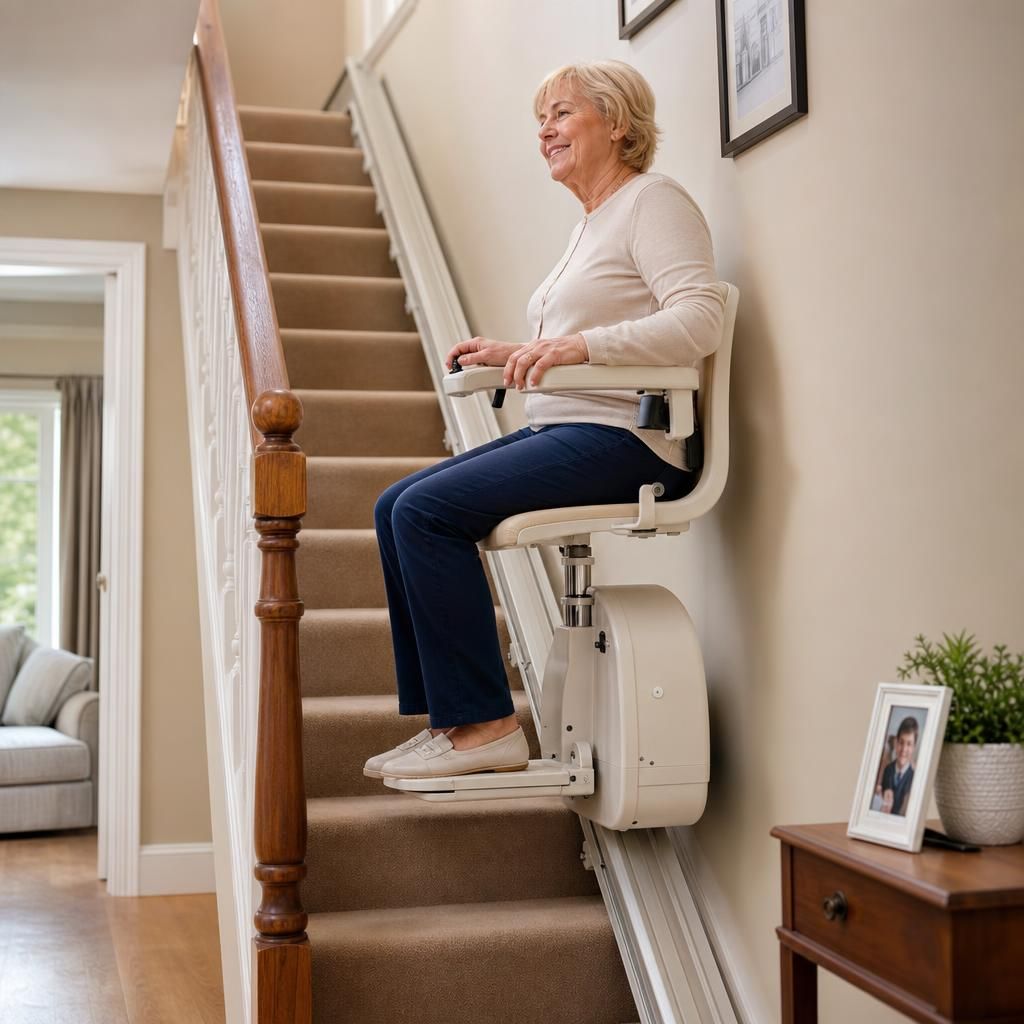
Stairlifts for Straight Stairs

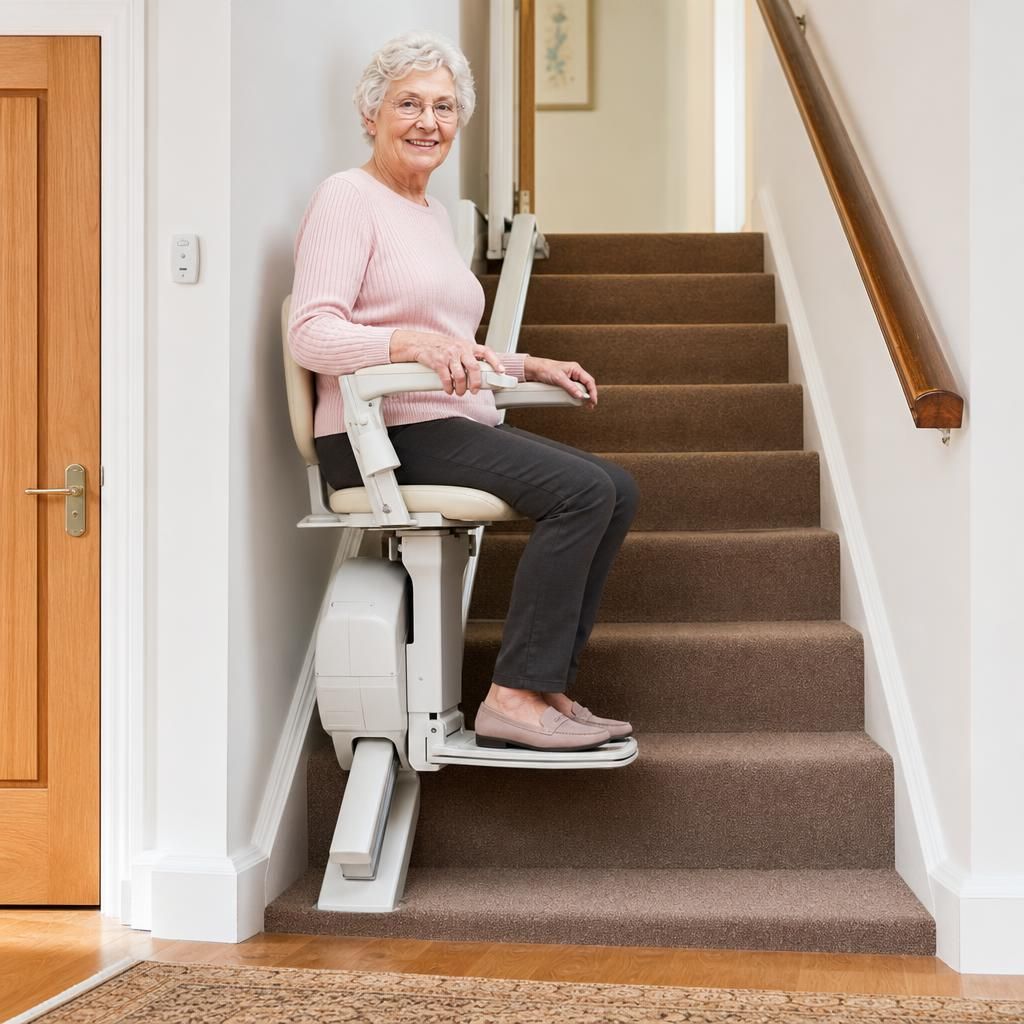
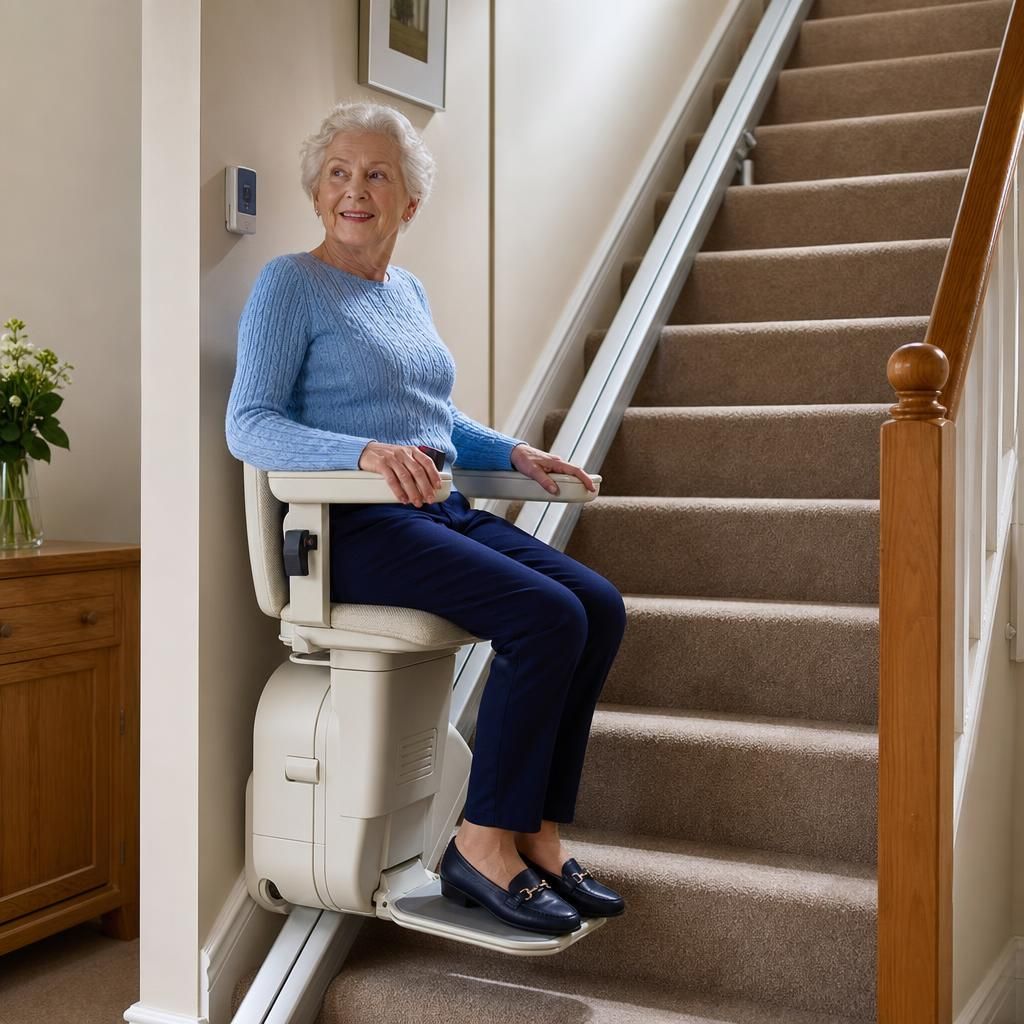
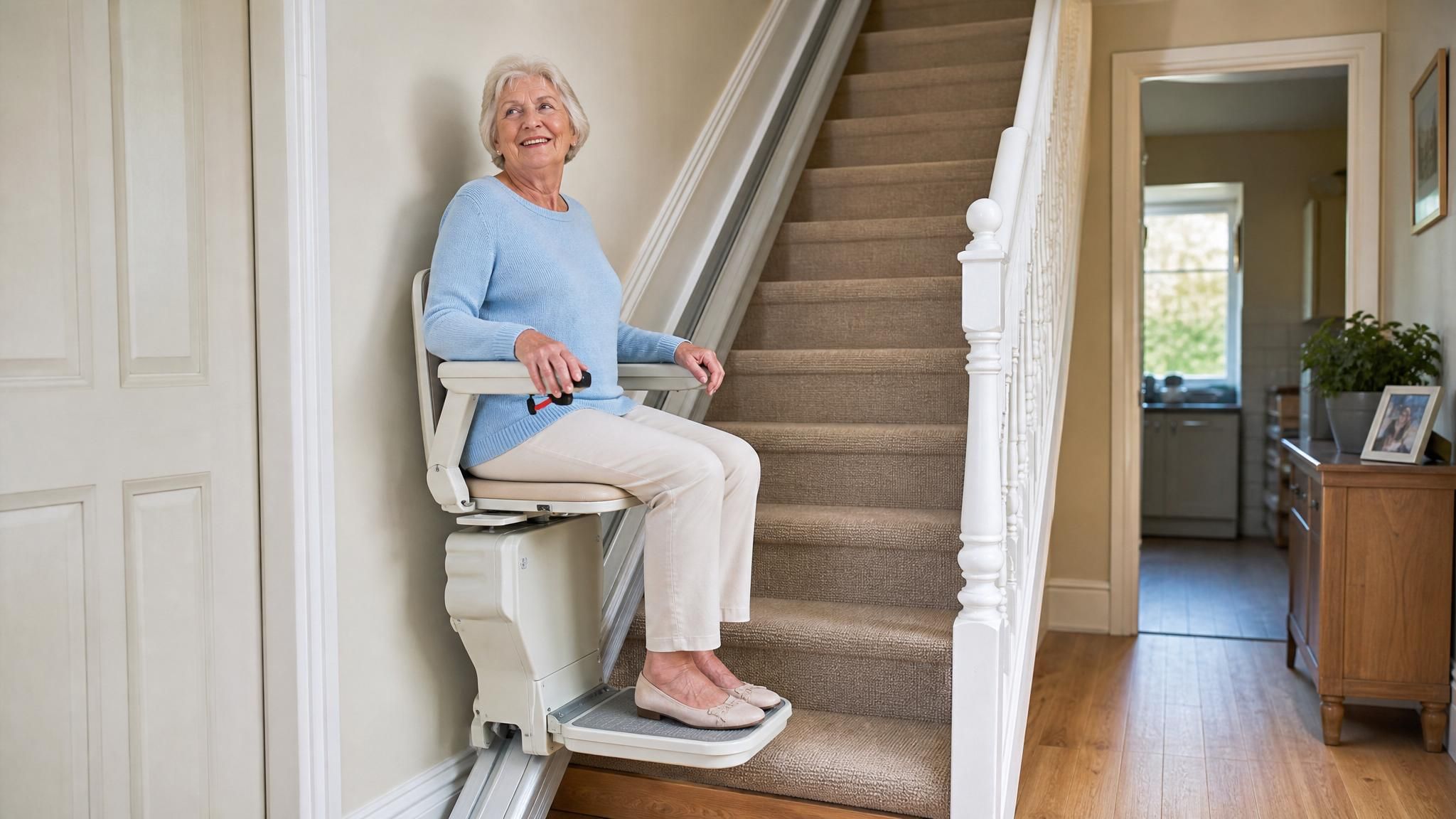
Straight stairlifts are motorised seats that travel along a single, fixed rail beside a straight staircase. They provide practical access between floors and can be tailored to the stairway, user’s mobility needs and home layout.

Book a free assessment

Expert Knowledge of Straight Stairlift Installation

Detailed Staircase Assessments

A straight stairlift assessment examines the staircase, stair width, landing space, access points and available power supply. It also considers how the user will approach the seat, transfer on and off it, and reach the controls safely. This information helps determine the most suitable rail position and seat configuration for the property.
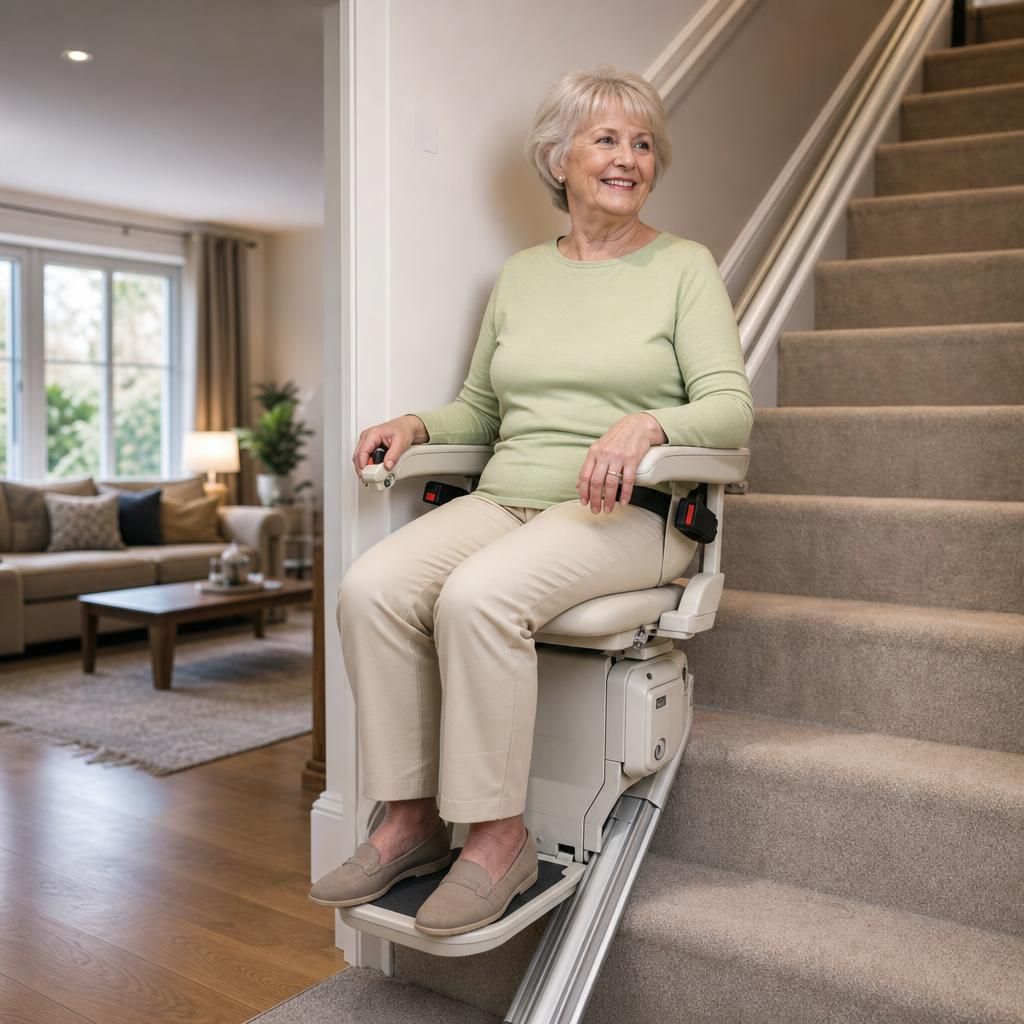
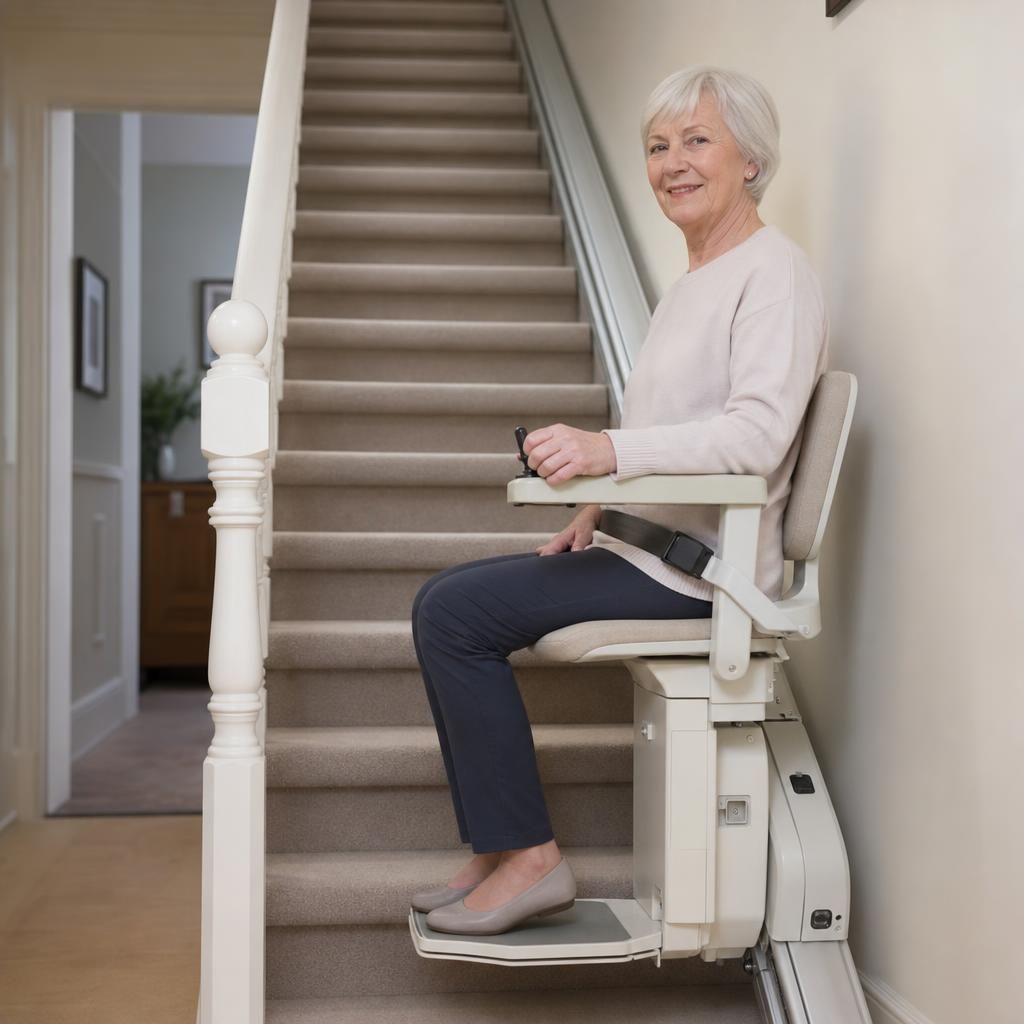
Suitable for Different Home Layouts

Straight stairlift installations can be adapted to many domestic staircases, including narrow flights, open-plan hallways and stairs with limited space at the top or bottom. The installation must leave practical clearance for other household members while providing the user with a stable route between floors.

Support Matched to Individual Mobility

Seat height, armrest position, swivel function, controls and safety features all affect how easily someone can use a stairlift. Independent Stairlifts considers the user’s balance, strength, transfer ability and preferred operating hand when discussing suitable equipment.

Practical Safety Features

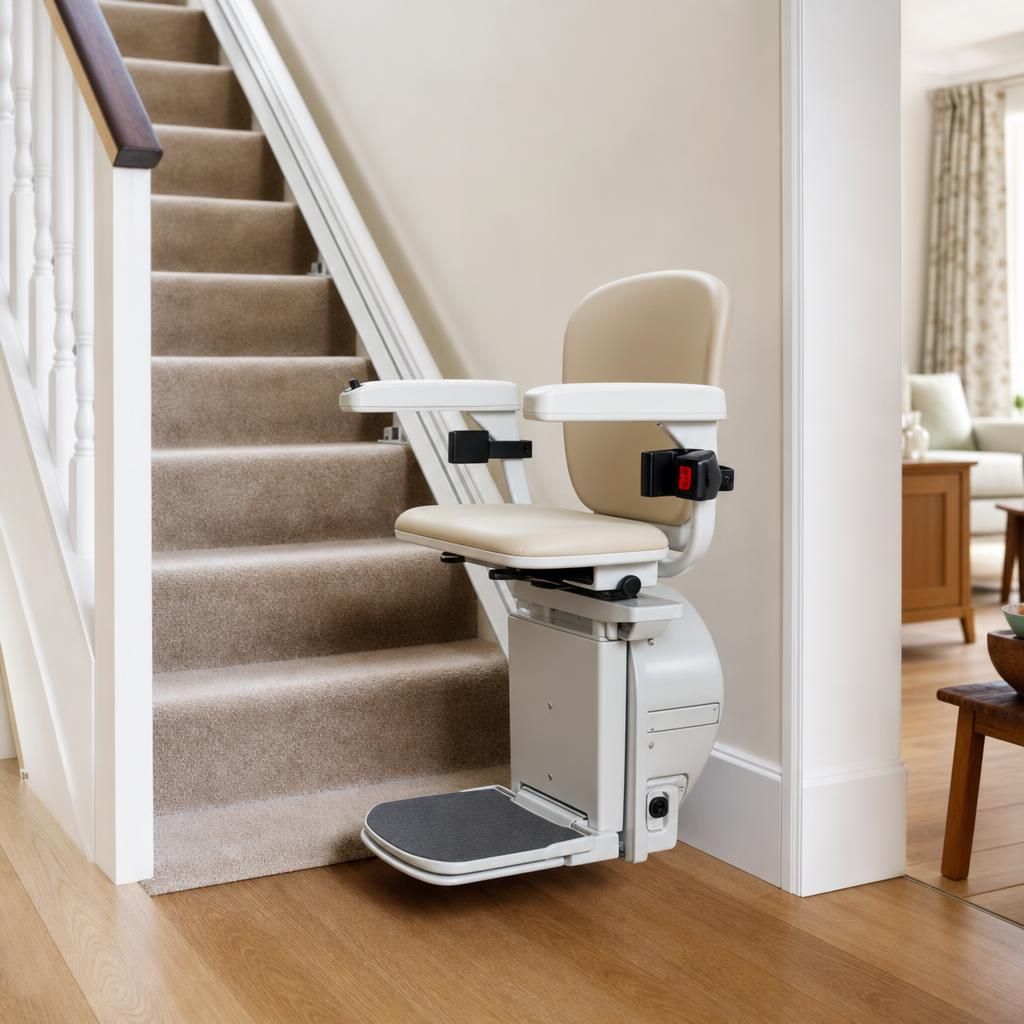
Straight stairlifts commonly include a seat belt, obstruction sensors, braking systems and controls on the armrests. Folding seats, footrests and armrests can help preserve walkway space when the lift is parked. The right combination depends on the user and the staircase rather than on appearance alone.

Professional Installation and Guidance

Correct fitting is important because the rail must be securely fixed and positioned for safe travel, boarding and dismounting. After installation, the user should receive clear guidance on operating the controls, using the swivel seat, responding to obstacles and charging the lift when parked.

Straight Stairlift Options Beyond Indoor Flights

Straight stairlift technology can also be considered for some external staircases, provided the equipment is designed for outdoor conditions and the route is suitable. Weather exposure, drainage, surface condition, power and protection of the controls all need to be assessed before an outdoor installation is recommended.

Assessment, Installation and Ongoing Support

A straight stairlift installation should include checks of the rail, charging points, safety sensors, seat position and clearances at the top and bottom of the stairs. Before work begins, Independent Stairlifts explains the recommended equipment, installation arrangements and applicable warranty or guarantee terms clearly.

After installation, the stairlift is tested and its operation is demonstrated, including safe use of the controls and charging system. If a fault or adjustment is needed, customers can contact the support team for advice and information about the appropriate service or repair process.

Safety features and user protection

A straight stairlift should include safety features that help reduce risks during travel, transfers and charging. These features must be checked as part of the assessment and installation process.

How a straight stairlift is designed for safer use

Typical safeguards include a seat belt, controls that can be used from the seated position, sensors that stop the lift if an obstruction is detected and a swivel seat to support safer transfers at the top or bottom of the stairs. The suitability of each feature depends on the user and the staircase, so the recommended setup should be explained before installation.

Protecting your home during installation

Installing a stairlift involves fixing the rail to the stairs rather than the wall in most domestic installations. The property and access route should still be considered carefully before work begins.

What the installation team should check

The installer should confirm the fixing points, available clearance, electrical supply and the position of the stairlift when parked. The work area should be kept orderly, with care taken around flooring, walls, banisters and nearby furniture. Any practical preparation or access requirements should be discussed with you in advance.

Warranty and guarantee terms

Warranty or guarantee protection depends on the equipment supplied and the terms provided with it. These conditions should be available for review before you decide to proceed.

What to check in the written terms

Check what parts and labour are covered, when the cover starts, how long it lasts and whether exclusions or servicing conditions apply. It is also useful to confirm who to contact if a fault occurs and whether removal, relocation or accidental damage is treated differently. Independent Stairlifts should explain the applicable terms for the recommended straight stairlift clearly.

Support if a fault develops

If a stairlift stops working or does not operate as expected, stop using it if continuing could be unsafe and contact the support team for advice. Do not attempt to dismantle or repair the equipment yourself.

How faults and adjustments are handled

When reporting an issue, describe what happens, whether the lift has stopped at a particular point and whether any warning lights or sounds are present. The support team can advise on immediate safe steps and the appropriate repair process. Some issues may relate to charging, an obstruction or a control setting, while others require attendance by a qualified technician.

Reviewing suitability over time

A straight stairlift is selected for the staircase and the user’s needs at the time of assessment. Changes in mobility, confidence or household arrangements may mean that its setup needs to be reviewed.

When to request further advice

Contact the provider if transfers become difficult, the user can no longer operate the controls comfortably, the stairlift is regularly left in an unsuitable position or another person needs to use the stairs around it. A review can identify whether adjustments, additional guidance or a different mobility solution is appropriate.

Tailored Straight Stairlift Solutions

Straight stairlifts are motorised seats that move along a single rail beside an uninterrupted staircase, without bends or intermediate landings. They are commonly considered when walking between floors has become difficult, while the staircase remains suitable for a fixed-rail installation.

Independent Stairlifts’ assessment checks stair width, clearances, seating needs and charging position before a straight stairlift is specified and installed.

Bespoke to the staircase

A straight stairlift can be specified around the staircase layout, available space and the user’s preferred seating position rather than treated as a standard fit.

Designed for everyday living

Folding seat, armrests and footrest options can help preserve access to the stairs when the lift is parked and not in use.

Matched to the user

Controls, seat position and transfer arrangements should reflect the user’s mobility, balance and confidence when getting on and off the stairlift.

Safety-led operation

Features such as a seat belt, obstruction sensors and controlled movement support safer travel when the stairlift is used as intended.

Ready when power is interrupted

Battery operation allows a stairlift to complete journeys during a mains power interruption, provided it has been correctly charged and maintained.

A considered long-term choice

Independent Stairlifts can discuss new and reconditioned straight stairlift options so the equipment, condition and ongoing support suit the household’s requirements.

What to Expect from a Straight Stairlift Installation

The process for a straight stairlift begins with a home assessment and ends with testing and user guidance. During each stage, Independent Stairlifts considers the staircase, seating requirements, installation details and support, so expectations are clear.

  1. 01

    Discuss your requirements

    The process starts with a conversation about who will use the stairlift, the difficulties they experience on the stairs and any preferences for seating or controls. This helps identify whether a straight stairlift is suitable for the household’s needs.

  2. 02

    Assess the staircase and living space

    A surveyor examines the staircase, its dimensions and the available space at the landings. They also consider access around doors, hallways and furniture, along with the user’s ability to get on and off the seat safely.

  3. 03

    Review the recommended solution

    The assessment findings are used to explain the suitable stairlift configuration, including the rail position, seat arrangement, controls and any options needed for the home. Installation requirements, costs and relevant terms should be discussed before an order is confirmed.

  4. 04

    Arrange preparation and installation

    An installation date is agreed and any practical preparations are confirmed in advance. Most straight stairlift rails are fitted to the stair treads rather than the wall, helping the installation team work around the structure of the staircase.

  5. 05

    Fit the stairlift

    The engineer installs the rail, drive system, seat, controls and charging equipment, then checks that the stairlift travels smoothly along the staircase. The fitting should leave suitable clearance for other people to use the stairs where the layout allows.

  6. 06

    Learn how to use it safely

    Once the installation is complete, the user is shown how to operate the controls, armrests, seat swivel and safety features. The engineer can also explain charging, parking the stairlift and what to do if it stops or requires assistance.

Frequently Asked Questions About Straight Stairlifts

What are the key considerations when choosing a stairlift for straight stairs?

A straight stairlift runs along a smooth rail fitted to standard staircases, providing dependable travel without complex turns. It's ideal for unobstructed staircases, ensuring quick installation and optimal use of space.

How do straight stairlifts address safety concerns?

Straight stairlifts feature seatbelts, obstruction sensors, and smooth start-stop operations to ensure user safety. Additionally, remote controls and foldable components preserve accessibility and convenience throughout daily use.

What features enhance the user experience in straight stairlifts?

Straight stairlifts enhance user experience with adjustable seating, intuitive controls, and smooth ascent and descent operations. They seamlessly integrate into homes, ensuring reliable transport for individuals with diminished mobility.

What maintenance is required to ensure a straight stairlift remains in optimal condition?

Regular professional servicing, cleaning of the tracks, and keeping the moving parts lubricated are essential to maintain the longevity and optimal performance of a straight stairlift.

What customisation options are available for straight stairlifts to suit specific user needs?

Straight stairlifts offer various customisation options, including adjustable seat heights, foldable footrests, and armrests, ensuring comfort and accessibility tailored to individual requirements, all while maintaining a user-friendly interface.

Straight Stairlift Guarantees and Aftercare

Independent Stairlifts provides clear information about applicable warranty terms, installation testing and aftercare guidance during every straight stairlift assessment. If your circumstances change or a fault develops, our team can explain servicing, repairs and ongoing support before you decide.

Contact Us

Request a free assessment

No obligation. We will talk through your staircase and options.

Ease of Use Commendation — Arthritis FoundationAll of our stairlifts carry the Ease of Use Commendation.

Questions to Ask Before Choosing a Straight Stairlift

What key features should I look for in a straight stairlift to ensure it meets both safety and comfort requirements?

Straight stairlifts are designed to traverse uncomplicated, linear staircases, offering smooth, efficient travel. They are typically less expensive and quicker to install than curved models, providing a practical mobility solution.

How does the installation process of a straight stairlift differ from that of a curved stairlift, and what considerations should be made for a smooth installation?

Straight stairlifts are typically faster to install as they don’t require custom rails. Consider staircase width and power source, ensuring minimal disruption to household during installation for optimal integration.

How can I ensure compatibility of my chosen straight stairlift model with the specific structural and aesthetic aspects of my home staircase?

Assess your home's staircase for structural integrity and design aesthetics. Consult with professionals to ensure the stairlift complements your environment, offering both function and seamless integration without altering existing decor.

What are the crucial maintenance practices I should undertake to ensure the longevity and optimal performance of my straight stairlift?

Regularly clean the stairlift rail and ensure mechanical components are free from debris. Schedule annual professional maintenance checks to guarantee smooth operation and address any wear or potential issues promptly.

What should I consider when selecting a straight stairlift to accommodate future mobility needs and potential changes in physical condition?

Choose a model with adjustable features and the ability to accommodate weight changes or different seating options to ensure it adapts to evolving mobility requirements in the future.

Discuss Your Straight Stairlift Options

Arrange a home assessment to check whether a straight stairlift suits your staircase, seating needs and available space. Independent Stairlifts can explain suitable options, installation requirements, costs and aftercare before you make a decision.

Contact Us

Request a free assessment

No obligation. We will talk through your staircase and options.

Ease of Use Commendation — Arthritis FoundationAll of our stairlifts carry the Ease of Use Commendation.