Stairlifts for Seniors

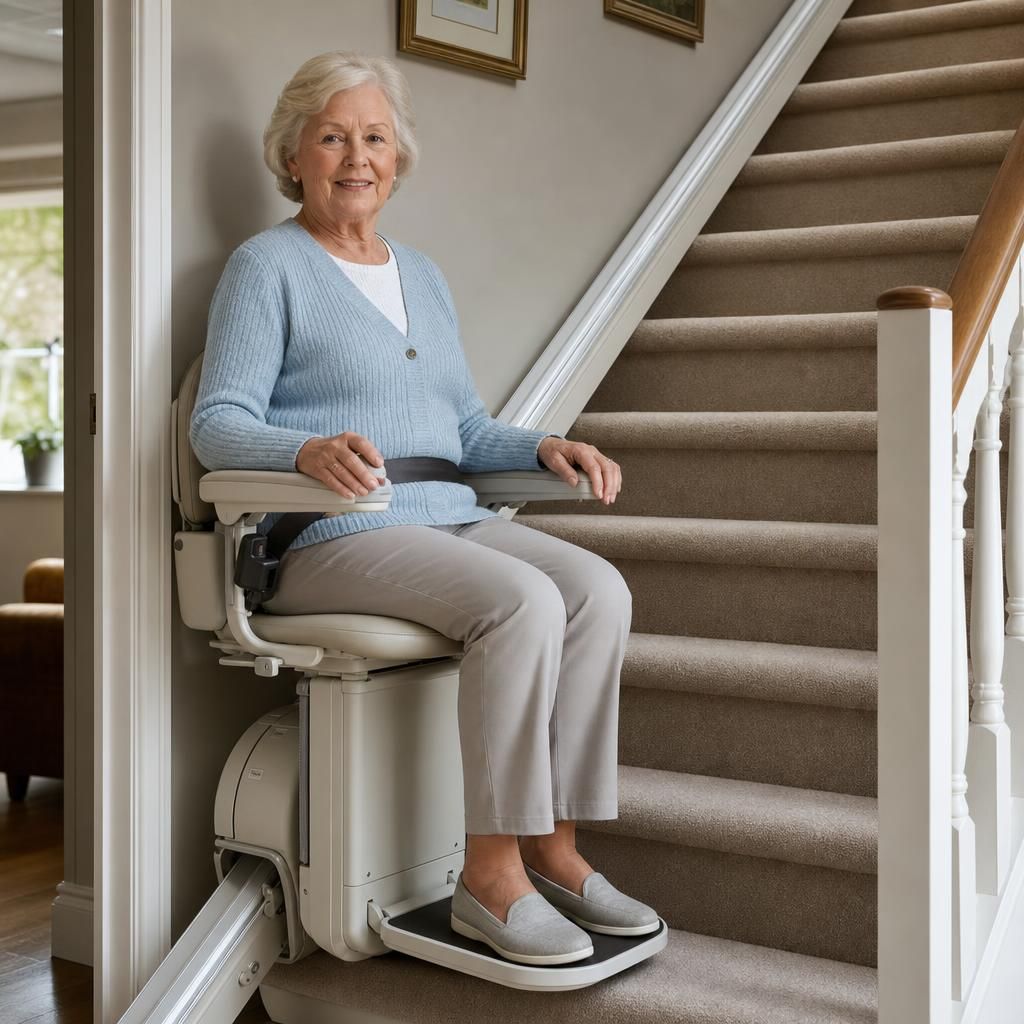
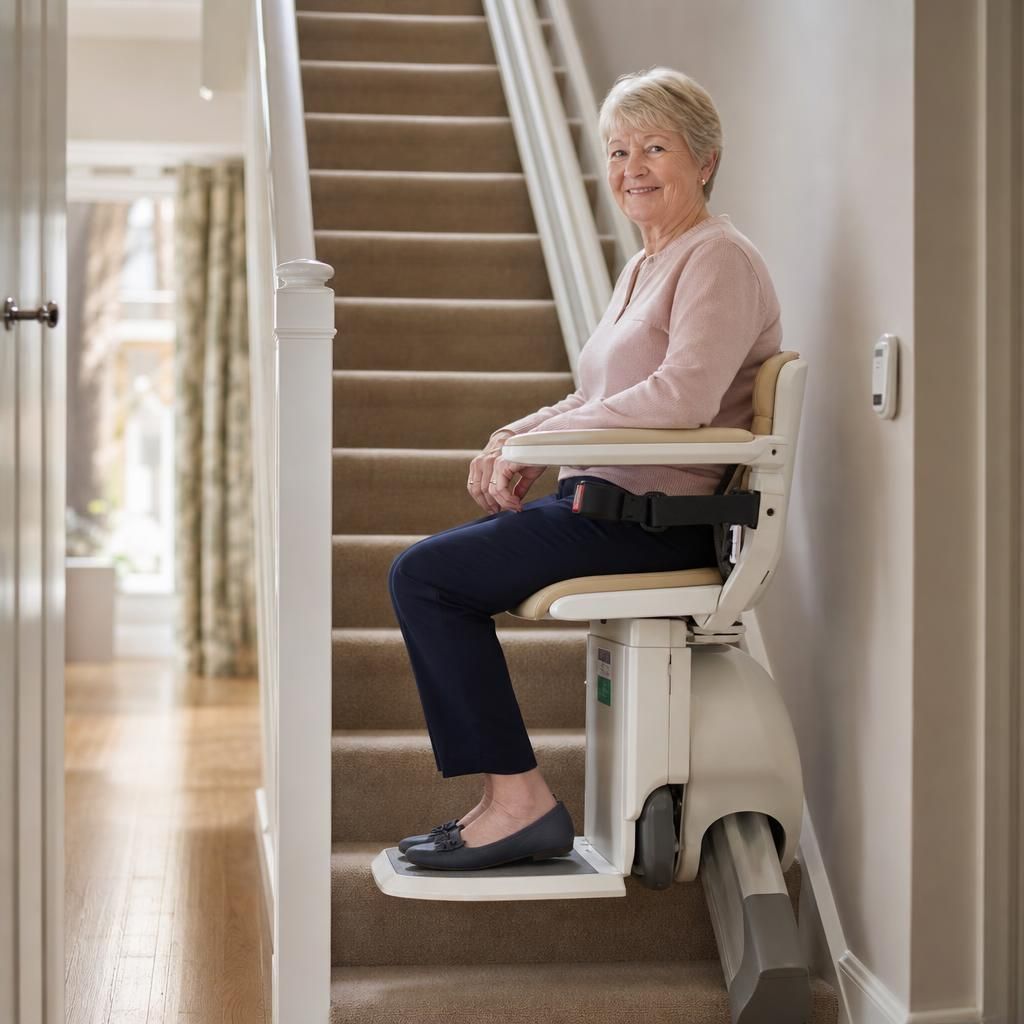
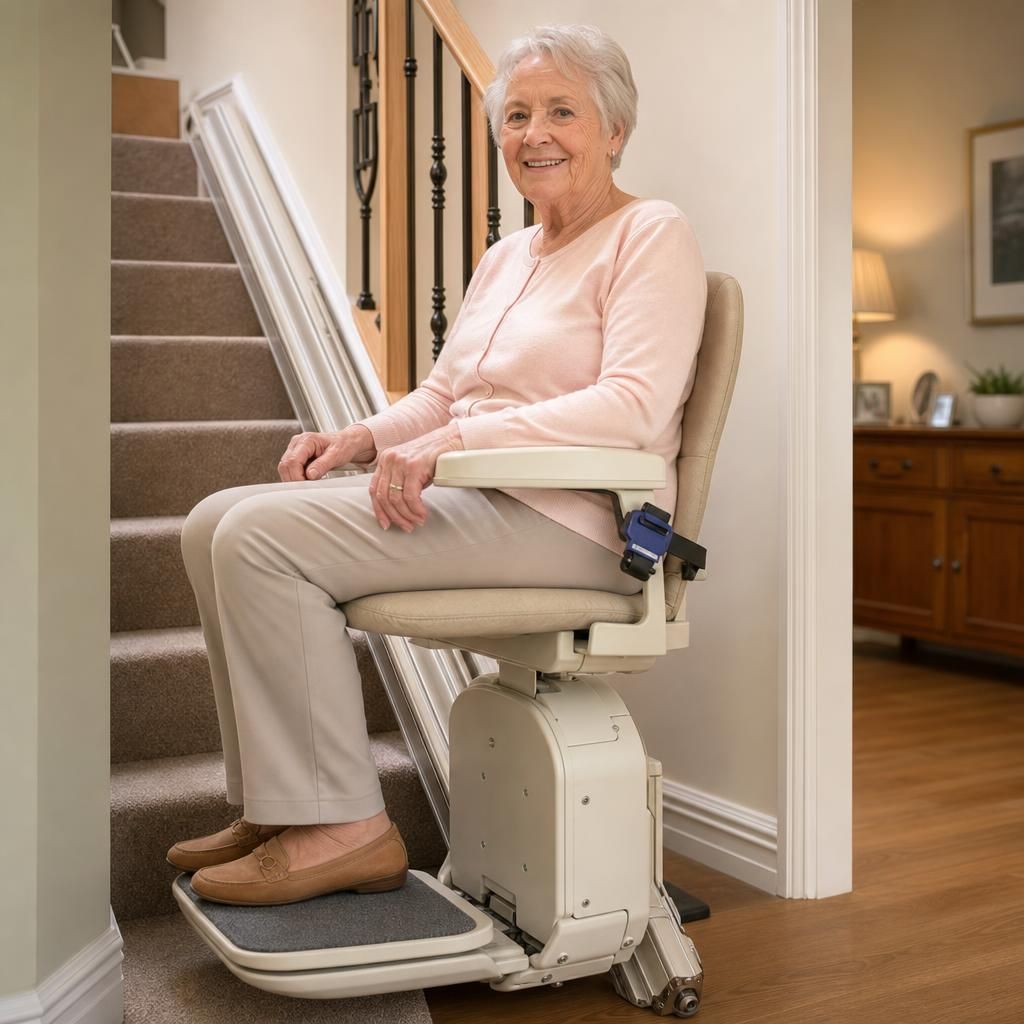
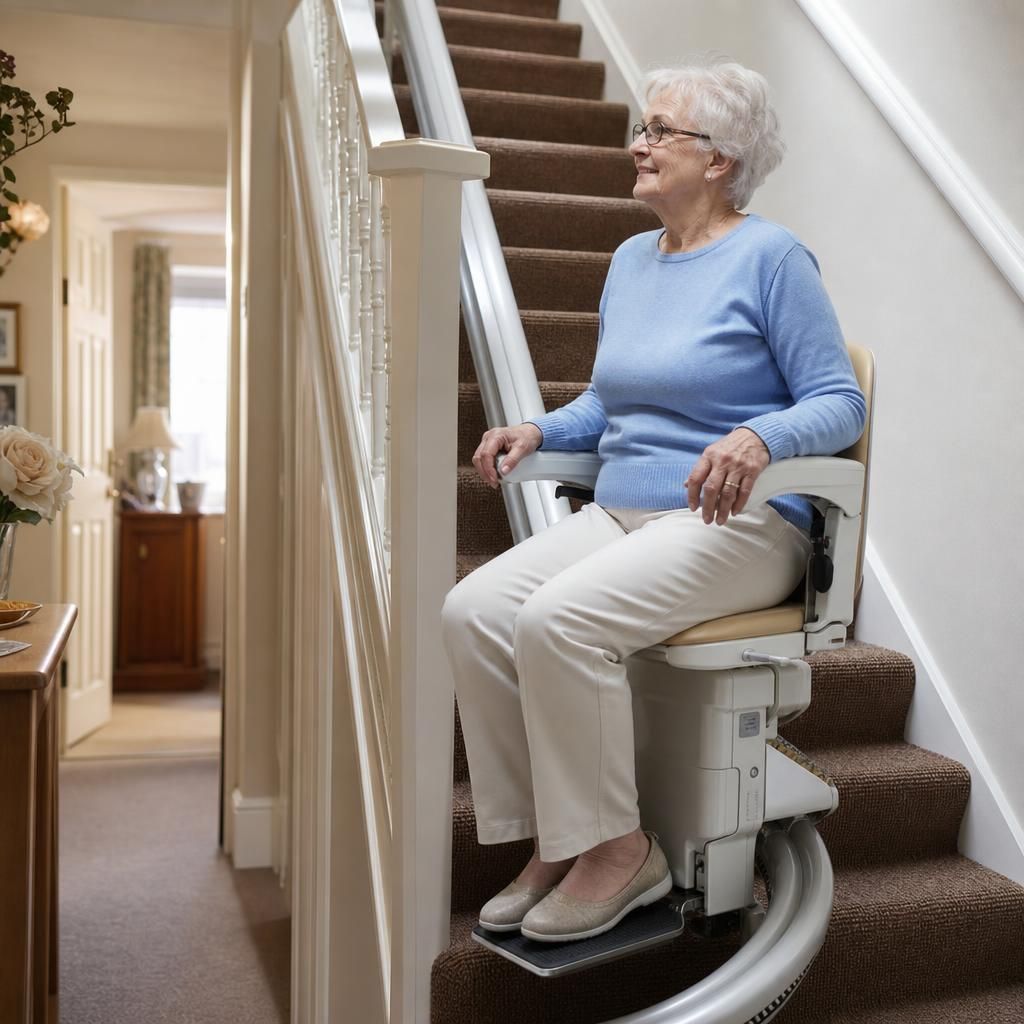
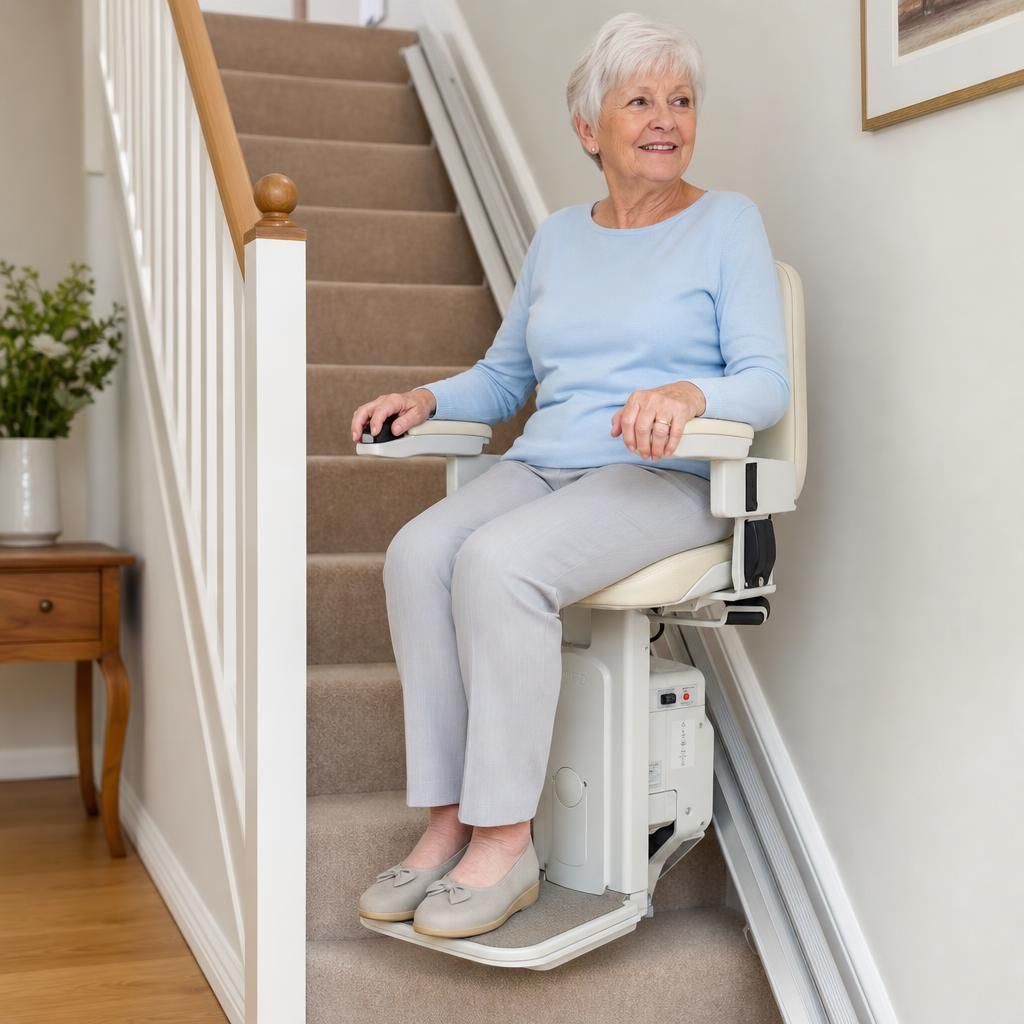
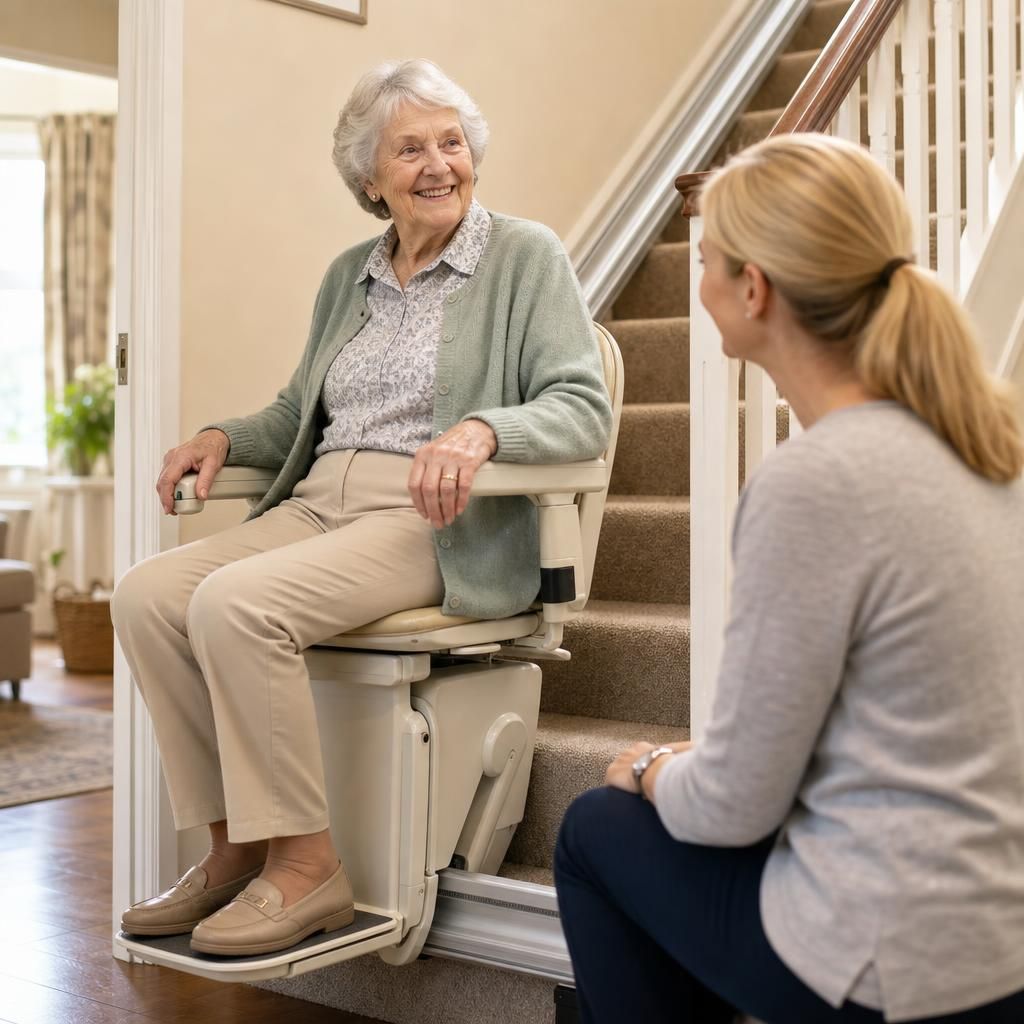
Stairlifts for seniors are powered seats that travel along a stair-mounted rail, providing safer access between floors for people with reduced strength, balance, or confidence. Straight, curved, outdoor, and reconditioned models can be assessed according to the staircase and user’s needs.

Book a free assessment

Experienced Stairlift Specialists Across the UK

Designed around senior users

A suitable stairlift should reflect the user’s mobility, posture, balance, and confidence, not just the shape of the staircase. Features such as a supportive seat, manageable controls, a suitable swivel mechanism, and a comfortable transfer position can make daily use more practical.

Straight stairlift expertise

Straight stairlifts are generally installed on a single, uninterrupted flight of stairs. The assessment still needs to consider the rail position, stair width, parking space, landing clearance, and access to the seat at the top and bottom.

Solutions for complex staircases

Curved stairlifts are made to follow bends, intermediate landings, changes in direction, and different stair profiles. Accurate measurements and careful design are important where a standard straight rail cannot provide continuous access.

Outdoor access considerations

Outdoor stairlifts need to suit both the staircase and the conditions around it. Weather-resistant components, secure parking, drainage, power supply, and safe transfers should be considered when improving access to entrances, gardens, or external levels.

Reconditioned stairlift knowledge

A reconditioned stairlift may provide a practical option where the staircase and user’s requirements match an available model. Its condition, compatibility, warranty provision, controls, seat dimensions, and installation requirements should be checked before selection.

Installation with practical checks

Professional installation includes more than securing the rail. The finished stairlift should be checked for smooth travel, reliable controls, safe clearances, suitable seat positioning, and straightforward operation so the user and their family understand how it works.

Your Stairlift Assessment, Installation and Aftercare

A stairlift assessment and installation should confirm how the equipment will fit your staircase, how it will be used safely, and what support is available afterwards. Independent Stairlifts discusses the proposed arrangement with you before work begins, including the seating position, access points, installation requirements, and any guarantee or warranty terms that apply.

If an issue develops, the appropriate response depends on the fault and the cover provided. Keep the installation documents and contact details supplied at hand so that servicing, repairs, or advice can be arranged through the relevant aftercare channel. Any concerns about comfort, operation, or changing mobility needs should be raised promptly rather than waiting for access to become difficult.

Clear advice before installation

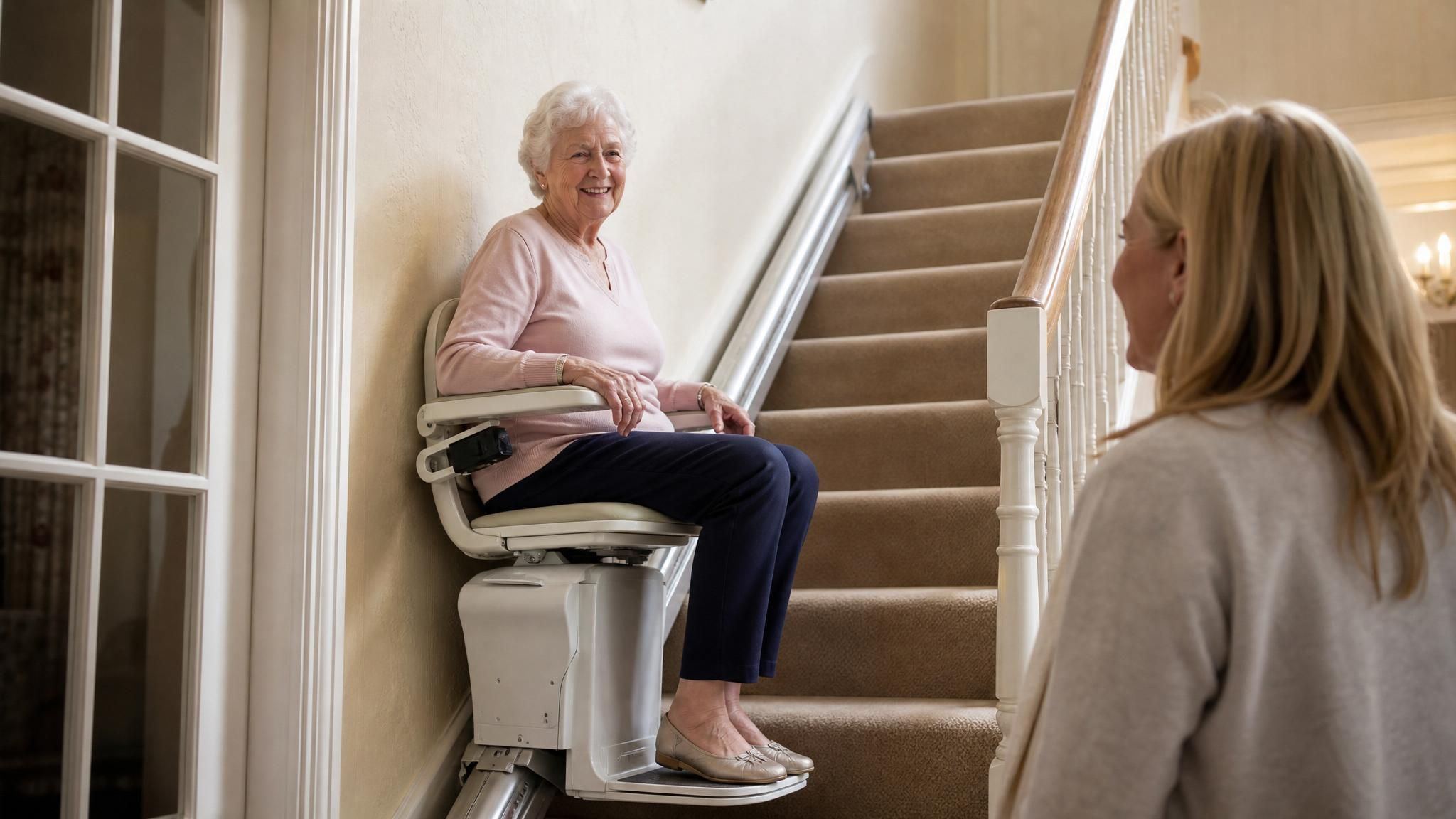
A stairlift recommendation should be based on the user’s mobility, the staircase layout, and the way the lift will be used. Ask for the reasons behind the recommendation and which alternatives have been considered.

Understanding the proposed solution

Before agreeing to installation, request a clear explanation of the recommended stairlift type, seating arrangement, controls, charging requirements, and any practical limitations. The assessment should also identify whether the user can transfer safely on and off the seat and operate the controls, or whether additional support may be needed.

Professional installation

Installation involves securing the rail to the staircase and checking that the stairlift operates safely throughout its route. The work should be planned to minimise disruption and leave the area suitable for normal use.

What installation should include

An installer should check the completed rail, seat, safety belt, controls, obstruction sensors, swivel mechanism, and charging points before demonstrating the stairlift. You should be shown how to use the lift, stop it safely, charge it, and report a problem, with the relevant paperwork and contact details provided afterwards.

Guarantee and warranty terms

Guarantee and warranty protection depends on the stairlift supplied, the parts covered, and the terms provided at the time of installation. Reconditioned stairlifts may have different cover from new equipment, so the documentation should be checked carefully.

Checking what is covered

Look for details of the cover period, included parts, labour arrangements, exclusions, and the process for requesting assistance. Keep the guarantee or warranty documents with the installation information, and ask for clarification before installation if any term is unclear or if the cover differs between the stairlift, batteries, and other components.

Support if a problem develops

A stairlift that stops, moves unevenly, gives an alert, or no longer feels comfortable should be reported through the supplied aftercare contact. Do not continue using it if there is a safety concern or if the user cannot operate it reliably.

Responding to faults and changing needs

Follow the user instructions for basic checks, such as confirming that the lift is switched on and correctly positioned for charging, but do not attempt electrical or mechanical repairs yourself. Explain the fault clearly and mention any change in the user’s balance, strength, posture, or transfer ability, as the equipment may need inspection or adjustment to remain suitable.

Bespoke Stairlift Solutions for Seniors

A bespoke stairlift solution is planned around a senior’s mobility, staircase layout and transfer needs, rather than relying on standard equipment. It may include seating, controls, rail positioning or travel settings for straight, curved, narrow or complex stairs.

Independent Stairlifts assesses the home and user together, considering comfort, installation requirements, changing mobility and aftercare. This helps families compare options before choosing.

Bespoke stairlift planning

The flagship option is a stairlift planned around the senior’s movement, staircase and home routine, with the specification agreed after a detailed assessment rather than selected from a standard package.

Comfortable, supportive seating

Seat design, arm support, controls and transfer position can be considered together to make getting on and off the stairlift manageable for the person using it.

Safety-led operation

Features such as a secure seat belt, controlled movement and obstruction sensing can help reduce risks while the stairlift is travelling between floors.

Suitable for different homes

A senior stairlift may be appropriate for compact hallways, open-plan landings and staircases with turns, provided the equipment can be correctly matched to the available space.

Adaptable as needs change

A well-considered solution should allow practical discussion of changing mobility, transfer ability and daily use so that the equipment remains relevant over time.

Quality considered at every stage

Independent Stairlifts compares the proposed equipment, installation approach and applicable cover with the senior’s circumstances, helping families make an informed decision without choosing on price alone.

What to Expect When Arranging a Stairlift

Arranging a stairlift for a senior usually involves assessing mobility and staircase needs, selecting suitable equipment, agreeing installation details, completing fitting, and confirming safe operation and aftercare support available afterwards.

  1. 01

    Discuss mobility and access needs

    The process begins with a conversation about the senior’s mobility, confidence, daily routine and the floors they need to reach. This helps identify whether a stairlift is appropriate and which features may support safer, more comfortable use.

  2. 02

    Assess the staircase and home

    A survey checks the staircase layout, available landing space, entrances, power supply and any obstructions. Straight, curved and outdoor staircases require different solutions, while a reconditioned model may be considered where it is suitable for the setting and user.

  3. 03

    Review the recommended solution

    The proposed stairlift should be explained in practical terms, including the seat position, controls, transfer points, rail route and any effects on shared access to the stairs. You should also have an opportunity to ask questions before deciding how to proceed.

  4. 04

    Agree the installation arrangements

    Before fitting, confirm the equipment selected, the planned installation date, preparation needed in the home and the terms of any guarantee or warranty. Clarify who to contact if the staircase or access arrangements change before installation.

  5. 05

    Complete the installation

    A trained installer fits the rail and stairlift to the agreed route, then checks its movement, charging position, safety features and operation. The installation should leave the staircase and surrounding areas tidy, with clear access for the user and other household members.

  6. 06

    Receive an operating demonstration

    After fitting, the user and anyone supporting them should be shown how to use the controls, seat, armrests, swivel mechanism, footrest and safety belt where fitted. The demonstration should also cover charging, stopping safely and what to do if the lift does not operate as expected.

  7. 07

    Use the aftercare support

    Keep the installation paperwork and aftercare contact details in an accessible place. Servicing, repairs or advice should be arranged through the relevant support channel, and changes in mobility, comfort or confidence should be reported so the equipment can be reviewed.

Frequently Asked Questions About Stairlifts for Seniors

What are the most important features to look for in a stairlift for seniors?

Stairlifts for seniors significantly ease everyday life by reducing the need for physical strain and allowing safe, efficient access to multiple levels of the home, thus preserving independence and comfort.

How can stairlifts improve independence for senior users?

Stairlifts empower seniors by facilitating easy movement within their homes, reducing dependency on others, and allowing for effortless access to upper floors, thereby enhancing personal freedom and daily autonomy.

What safety features are essential in stairlifts for seniors?

Essential safety features include seat belts, swivel seats for safer entry and exit, and obstruction sensors to stop if a barrier is detected, ensuring reliable and secure stairlift usage for seniors.

Are stairlifts suitable for all types of staircases in a senior's home?

Stairlifts are versatile solutions that can be customised for different staircase types, including straight, curved, narrow, and spiral designs, ensuring adaptability to most configurations found in seniors' homes.

How do you determine which stairlift model is best for an elderly user?

An expert assessment by a qualified installer determines the best stairlift model, considering the user's mobility needs, staircase layout, and specific comfort preferences, ensuring safety and compatibility with their home environment.

Reliable Stairlift Support, Guarantees and Aftercare

A professional assessment helps confirm that the stairlift suits the user and staircase before installation. Ask about the guarantee, servicing and repair arrangements, so ongoing support is clear before you make a decision.

Contact Us

Request a free assessment

No obligation. We will talk through your staircase and options.

Ease of Use Commendation — Arthritis FoundationAll of our stairlifts carry the Ease of Use Commendation.

Questions to Ask Before Choosing a Stairlift for a Senior

What safety features should I look for in a stairlift for seniors?

Ensure compatibility by evaluating staircase design and user requirements, considering factors like stair width, incline, and user mobility levels to select the most suitable stairlift model for optimal functionality.

How can I determine the best stairlift design for narrow or complex staircases in a senior's home?

Evaluate the staircase's layout and dimensions, considering modular, tailor-made options for tight curves or landings, ensuring a precise fit that optimises space and accessibility for seniors.

What are the benefits of choosing a reconditioned stairlift for senior users?

Reconditioned stairlifts offer cost savings while maintaining reliable functionality, ensuring seniors benefit from a high-quality mobility solution with affordability in mind. These pre-owned models are refurbished to meet rigorous safety standards.

What are the key maintenance requirements for stairlifts used by seniors to ensure longevity and safety?

Ensure regular servicing by certified technicians, check movable parts like rollers and chains, clean tracks to avoid obstructions, and attend promptly to any malfunctions for optimal performance and extended lifespan.

How do I ensure a stairlift installation complies with the specific safety regulations and standards for seniors' mobility aids in the UK?

Ensure compliance by selecting a reputable installer familiar with UK standards, such as BS EN 81-40. These professionals conduct safety assessments and installations adhering to all necessary regulations, offering peace of mind.

Discuss the Right Stairlift for a Senior

Arrange a free UK stairlift assessment to discuss the senior user’s mobility, staircase layout and suitable options. Independent Stairlifts can explain installation, safety features and aftercare, helping you make an informed decision without obligation.

Contact Us

Request a free assessment

No obligation. We will talk through your staircase and options.

Ease of Use Commendation — Arthritis FoundationAll of our stairlifts carry the Ease of Use Commendation.