Stairlifts for Elderly Access

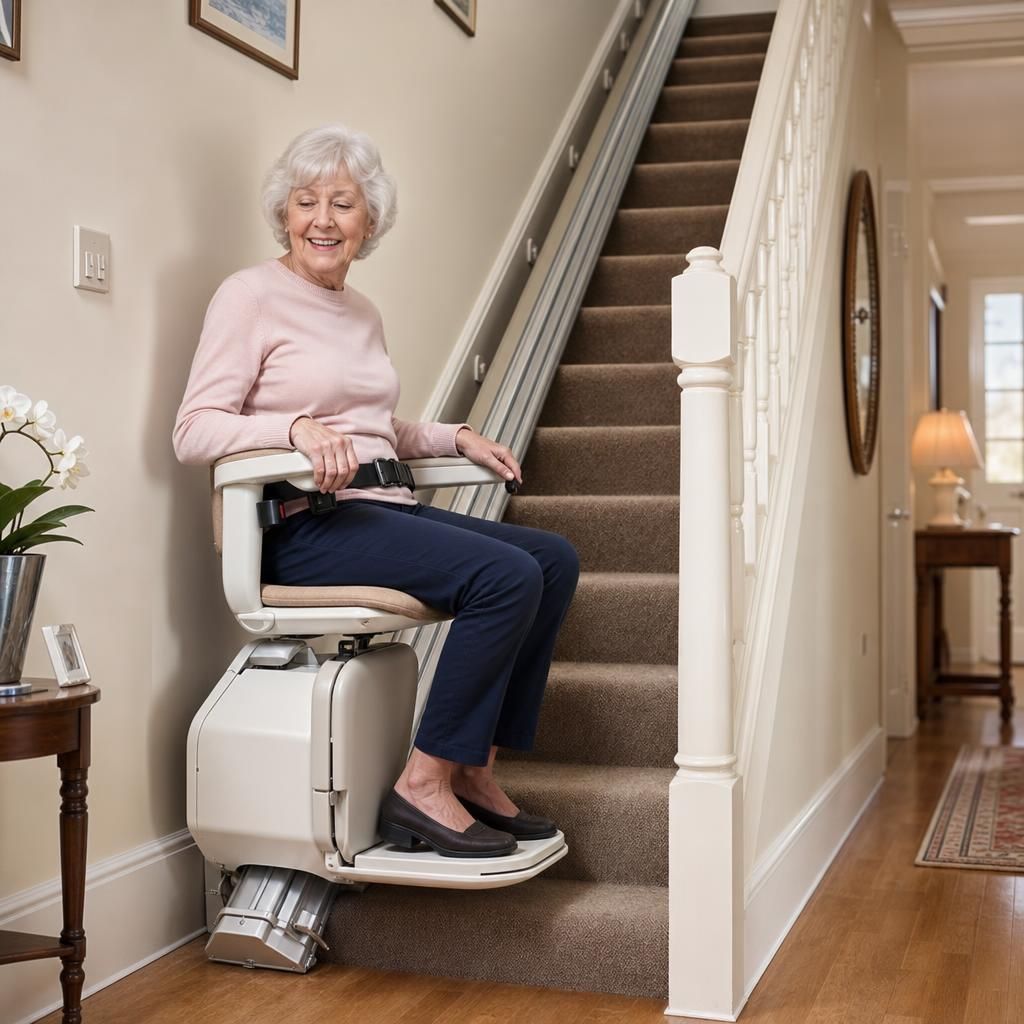
An accessible stair lift for elderly access provides powered, seated travel between floors for people who find stairs difficult or unsafe. The right solution depends on stair layout, balance, strength, transfer ability and future needs, assessed before installation by an experienced specialist.

Book a free assessment

Expert Stairlift Advice, Assessment and Installation

Solutions for Different Staircase Layouts

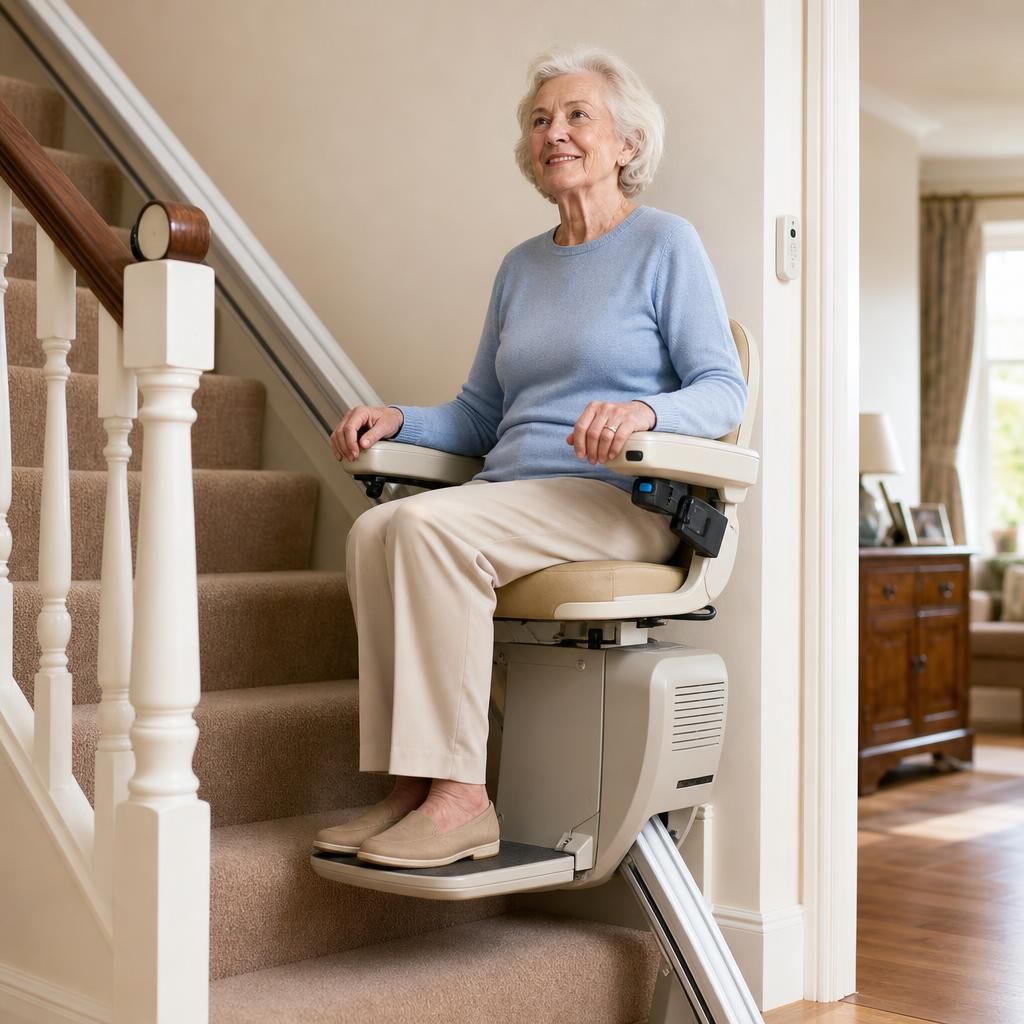
Stairlift selection starts with the staircase itself. Straight models suit an uninterrupted flight, while curved stairlifts are made to follow bends, landings and changes in direction. Narrow staircases, split-level layouts and outdoor steps may require additional planning to maintain clear access for other household members.
Assessment Led by Practical Staircase Knowledge

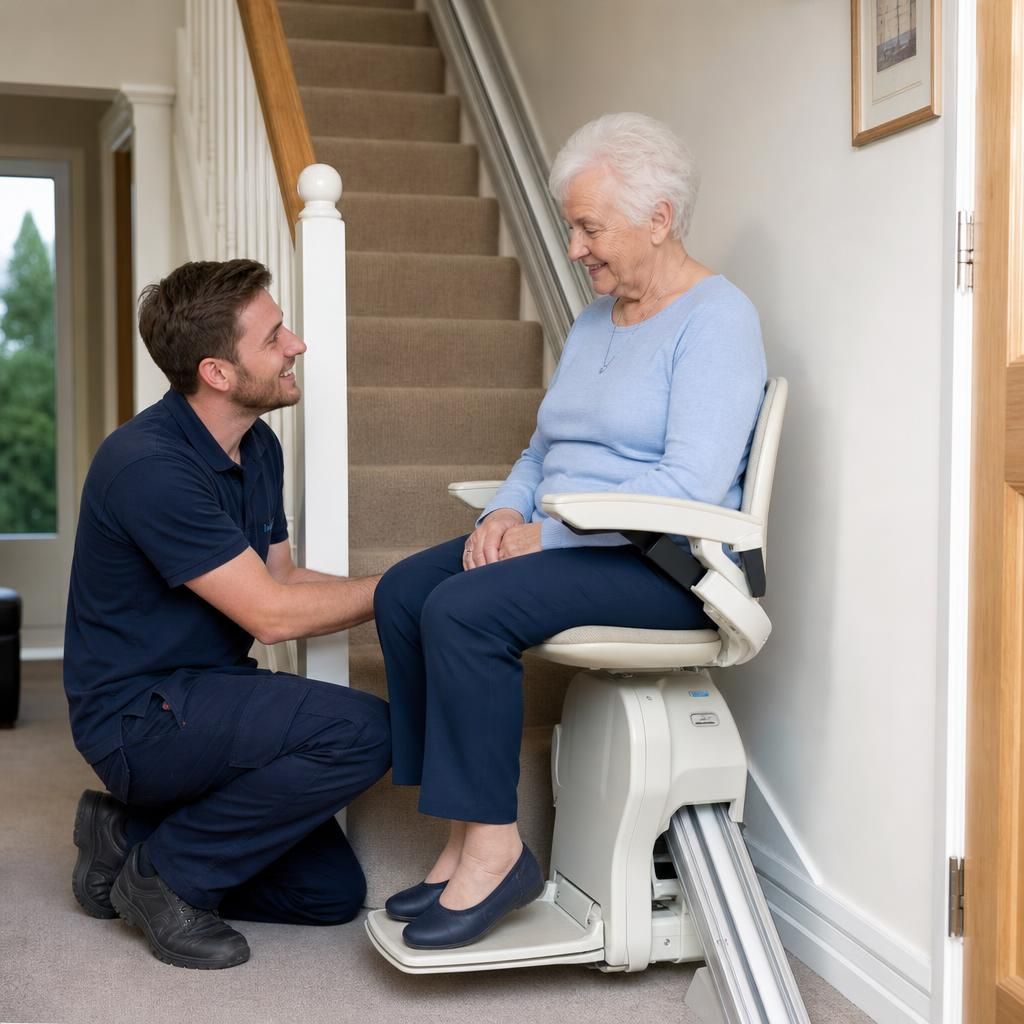
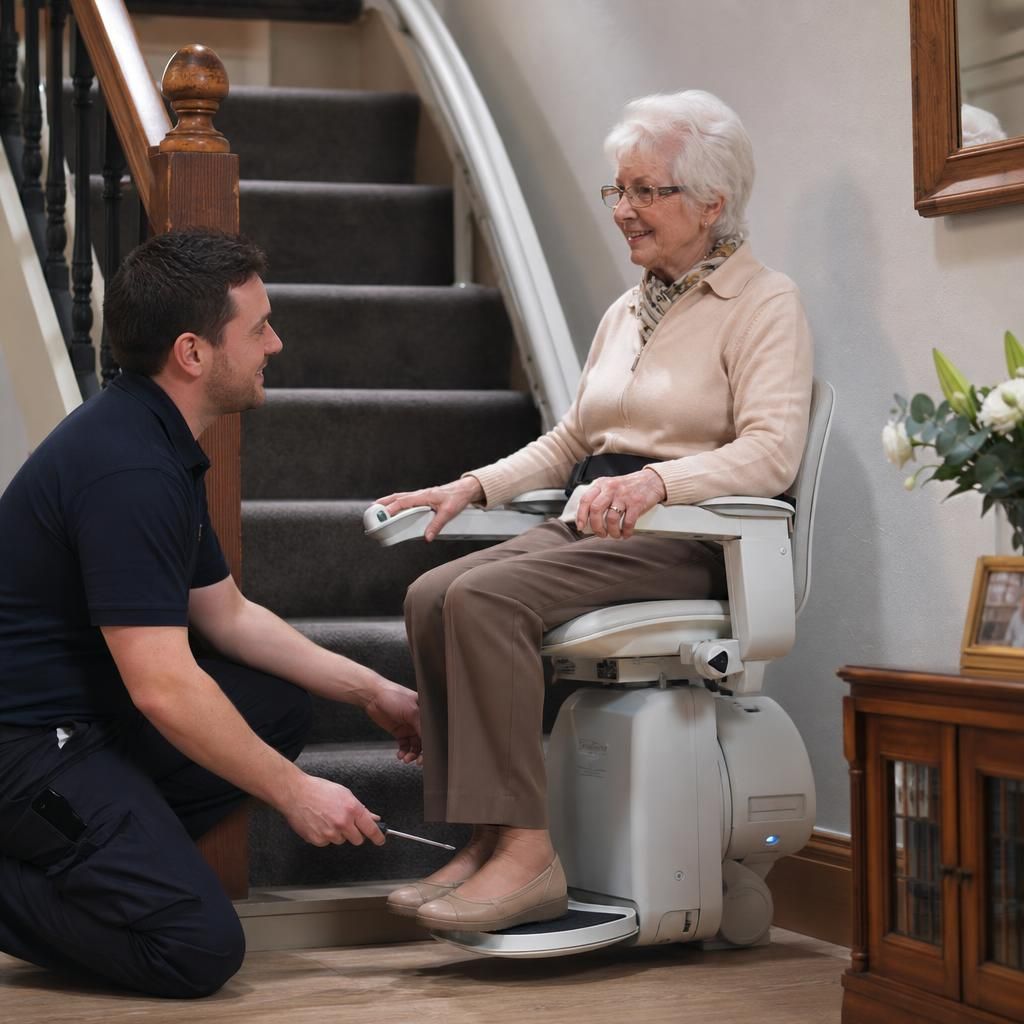
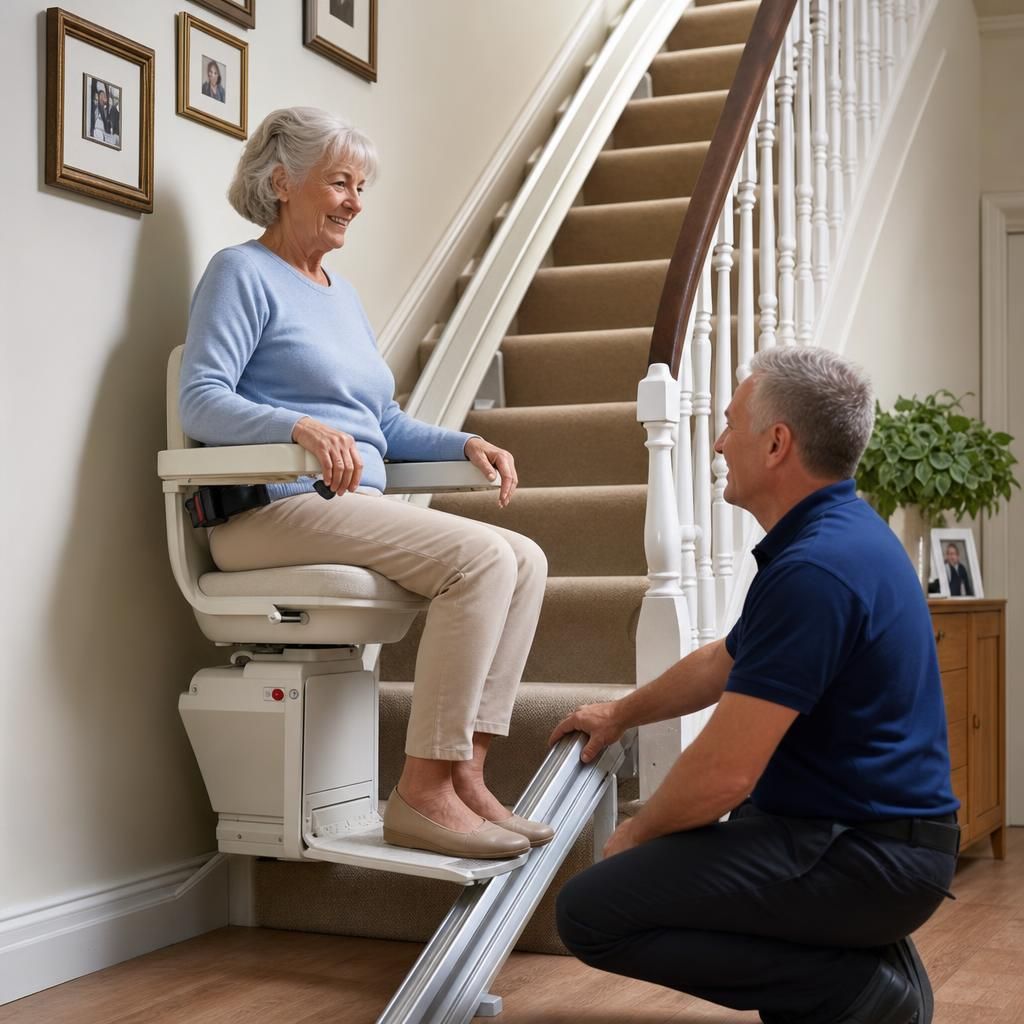
A home assessment considers more than the stairway dimensions. The specialist reviews how the user approaches the stairs, transfers onto the seat, operates the controls and reaches each landing. This helps avoid unsuitable recommendations and identifies practical details such as parking position, rail clearance and access around doorways.

Experience with Indoor and Outdoor Access

Outdoor stairlifts need protection from changing weather as well as a suitable route over the steps. Materials, charging arrangements, seat position and safe entry and exit all need consideration. Independent Stairlifts provides guidance for domestic access requirements across indoor, external and less conventional stair configurations.

A Clear Explanation of New and Reconditioned Options

A reconditioned stairlift may be appropriate where the staircase and user requirements suit an available model. Its condition, compatibility, warranty provision and installation should be explained clearly before any decision is made. Comparing this route with a new bespoke system helps the household weigh practicality, specification and longer-term support.

Professional Fitting and Ongoing Practical Support

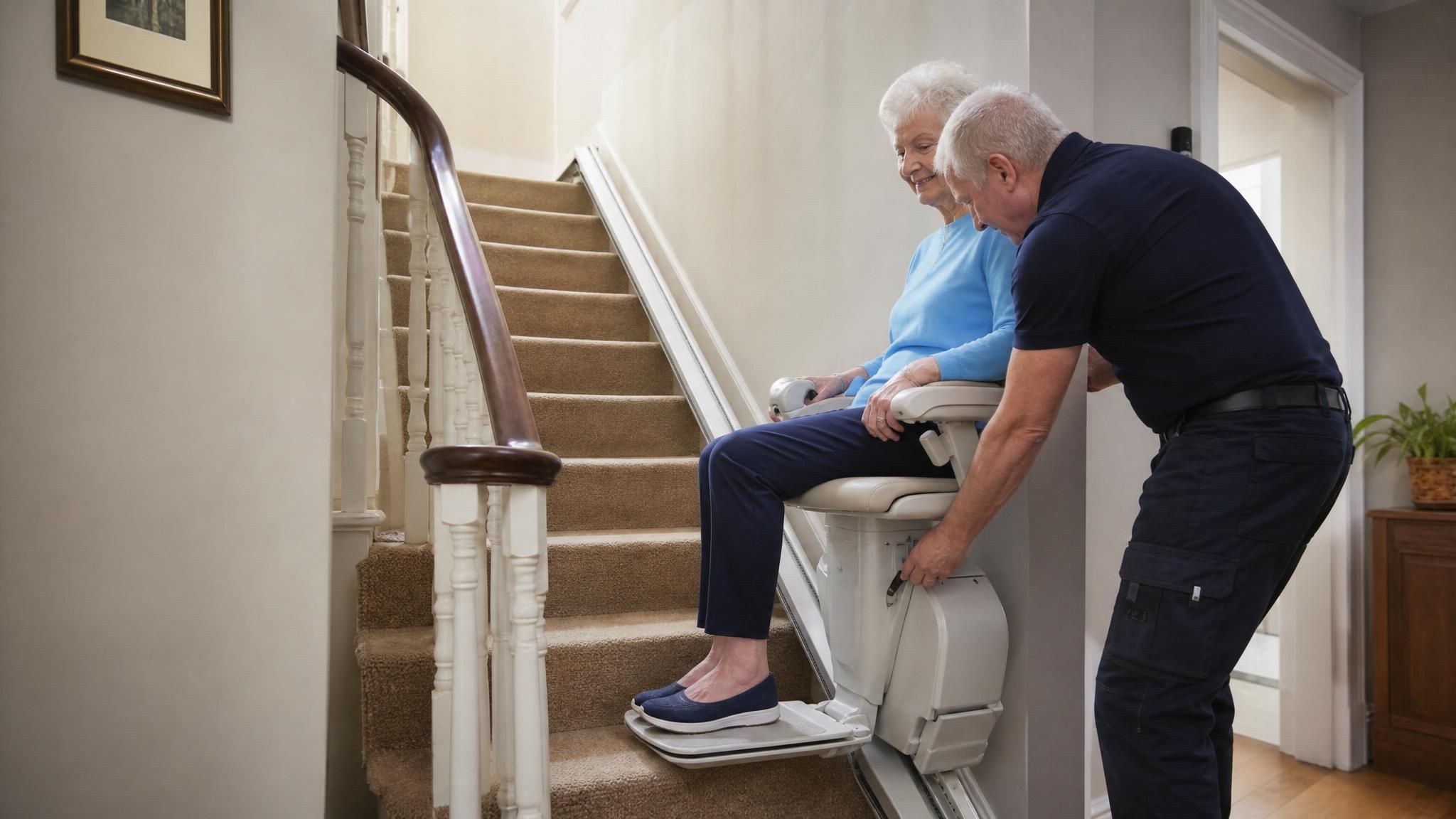
Correct fitting is essential for smooth travel, safe stopping and reliable operation. The installer should demonstrate the controls, charging routine and safety features, and explain what to do if the lift stops working. With UK-wide installation coverage and experience across different domestic settings, Independent Stairlifts supports customers from initial advice through to using the equipment at home.

Safety, Guarantees and Ongoing Support

Stairlift safety depends on correct assessment, professional fitting and appropriate features for the user and staircase. Independent Stairlifts checks seating, transfers, controls, parking positions and obstructions before installation, then explains safe operation and any relevant guarantee terms clearly.

Ongoing support includes advice on servicing, fault reporting and repairs, with aftercare arranged according to the stairlift and its warranty conditions. Ask for written details of cover, exclusions, response arrangements and maintenance requirements so you know how issues will be handled after installation.

How is stairlift safety checked?

Stairlift safety starts with checking how the equipment will be used, rather than selecting a model by appearance alone. The assessment considers the user’s movement, transfers and ability to operate the controls as well as the staircase itself.

Assessment before installation

An adviser should check the user’s ability to sit down, stand up, remain seated and reach the controls safely. They should also review landing access, doorways, radiator positions, furniture and any points where the stairlift could obstruct movement. These findings help determine whether additional options, such as a powered swivel seat or a different control arrangement, are appropriate.

What does a stairlift guarantee cover?

A stairlift guarantee sets out which parts, labour and call-out arrangements are included if a covered fault occurs. The exact protection depends on the equipment supplied and the provider’s written terms.

Check the guarantee terms

Before agreeing to an installation, ask for the guarantee or warranty information in writing. Check its duration, what is excluded, whether batteries and normal wear are covered, and whether servicing or changes of address affect the cover. A clear explanation of these conditions makes it easier to understand your responsibilities and the support available after fitting.

What happens if the stairlift develops a fault?

A fault-reporting process explains who to contact when the stairlift stops, behaves unusually or cannot complete its journey. Prompt, accurate information helps the support team identify the problem and decide what assistance is needed.

Reporting a problem safely

If the stairlift stops unexpectedly, the user should remain seated if it is safe to do so and follow the operating instructions rather than trying to move the equipment manually. Keep the provider’s contact details available and describe warning lights, unusual sounds, the direction of travel and where the stairlift stopped. Do not continue using it if there is a safety concern, and do not attempt electrical or mechanical repairs yourself.

Will it work during a power cut?

Most domestic stairlifts use rechargeable batteries so they can normally complete journeys when household mains power is interrupted. Their available use during an outage depends on the battery condition, charging routine and model.

Battery and charging checks

The stairlift should be parked at its designated charging point when not in use, unless the instructions state otherwise. A charging light or other indicator can help show whether the batteries are receiving power. Ask what warning signs indicate low battery capacity, how long the equipment can normally be used away from the charger and what to do if a power cut continues.

How should a stairlift be maintained?

Routine maintenance helps identify wear, battery problems and changes in performance before they affect everyday use. The required arrangements vary according to the stairlift, its age and the warranty conditions.

Ongoing checks and servicing

Keep the track, seat and footrest clear, and wipe surfaces according to the manufacturer’s instructions. Report repeated stops, jerky movement, unusual noise, damaged belts or changes in braking promptly. Ask whether a service plan is recommended, what inspections involve and how repairs are authorised, particularly for a reconditioned stairlift or equipment that is used frequently.

Tailored Stairlift Solutions for Elderly Access

A tailored stairlift for elderly access is selected around the person’s mobility, transfer ability and staircase, rather than treating every home and user alike.

Independent Stairlifts combines home assessment, suitable equipment and professional fitting, with options such as powered swivel seats, folding rails and adjustable controls where these improve safe, practical use.

Designed around the user

A stairlift can be specified around height, legroom, transfer ability and preferred seating position, helping the user operate it with greater ease.

Suitable for different homes

Straight, curved and outdoor stairlift options allow the solution to reflect the staircase layout, available space and conditions around the property.

Supportive seated travel

A secure seat, armrests, footrest and suitable belt help provide stable travel for people who find standing on stairs difficult.

Useful practical features

Options such as powered swivel seats, folding components and simple controls can make transfers, parking and everyday use more manageable.

A considered long-term choice

Reconditioned and new stairlifts may both be appropriate, provided the equipment, condition and support arrangements match the user’s circumstances.

What to Expect from Assessment to Installation

Choosing a stairlift for elderly access usually involves a home assessment, discussion of mobility needs, product selection, installation and aftercare. Understanding each stage helps families compare suitable options and identify the features, responsibilities and support involved before work begins.

  1. 01

    Arrange an initial discussion

    The process starts with a conversation about how the stairs are used, what difficulties the user experiences and whether support is needed on one or more levels. This helps identify priorities such as safe transfers, comfortable seating and simple controls.

  2. 02

    Complete a home assessment

    A specialist examines the staircase, landings, access points and available parking space. They also consider the user’s posture, leg movement, balance, transfer ability and likely future requirements before recommending a suitable stairlift type.

  3. 03

    Review suitable options

    You should receive an explanation of the proposed stairlift, including its track arrangement, seat, controls, safety features and any effect on other household members using the stairs. For non-standard layouts, the design may need to be tailored to the staircase.

  4. 04

    Confirm the specification and costs

    Before agreeing to proceed, check the written specification, total price, expected installation arrangements and what is included. Ask about optional features, cancellation terms, warranty conditions and any changes that could affect the final cost.

  5. 05

    Have the stairlift installed

    An installer fits the rail and stairlift to the agreed design, then checks movement, charging, safety sensors, seat operation and parking positions. The work should leave the staircase usable and avoid unnecessary alteration to the property.

  6. 06

    Receive an operating handover

    The user and anyone helping them should be shown how to sit down, secure the safety belt, use the controls, stop the lift safely and charge it correctly. Keep the operating guidance and know who to contact if the stairlift develops a fault.

Questions About Stairlifts for Elderly Access

What makes a stairlift suitable for elderly users?

Independent Stairlifts offers bespoke assessments, providing tailored stairlift solutions that ensure maximum safety and efficiency, accommodating unique stair configurations without compromise, enhancing mobility for elderly users seamlessly in their homes.

How can I customise a stairlift to fit my specific staircase?

Customising a stairlift involves selecting features like seat style, rail finish, and control options, ensuring an optimal fit for your staircase's dimensions and design, enhancing both functionality and aesthetics.

What factors should I consider when choosing an assisted chair lift for elderly use?

Prioritise stairlift safety features, comfort, ease of use, and compatibility with home layout. Assess weight capacity, power backup options, and control mechanisms to ensure reliable operation tailored to elderly needs.

What maintenance and support options are available for my stairlift investment?

Scheduled maintenance ensures optimal stairlift performance and longevity, with regular inspections, part replacements, and system checks provided. 24/7 support is available for troubleshooting and urgent repairs, ensuring uninterrupted mobility.

How do stairlifts accommodate different user needs?

Stairlifts offer adjustable seat heights, cushioned seating, and safety features like swivel seats and secure footrests, allowing for comfortable use by individuals with varying mobility challenges.

Clear Guarantees and Ongoing Stairlift Care

A professionally fitted stairlift, with clear operating guidance and documented guarantee terms, gives families a practical route to ongoing support. Ask about servicing, fault response and repair arrangements before choosing an accessible stair lift for elderly access.

Contact Us

Request a free assessment

No obligation. We will talk through your staircase and options.

Ease of Use Commendation — Arthritis FoundationAll of our stairlifts carry the Ease of Use Commendation.

Questions to Ask Before Choosing a Stairlift for Elderly Access

What key features should I look for in a stairlift to ensure it meets the unique needs of elderly users in my home?

Evaluate stairlift installation options, considering factors like stair type, user needs, and future-proofing. Coordinate with reputable providers to ensure tailored solutions meeting safety and quality standards.

How can I ensure the stairlift I choose is compatible with future mobility requirements?

Select a modular stairlift design adaptable to evolving needs, ensuring compatibility with potential future modifications like weight capacity adjustments or changes in seating style, maintaining convenience as requirements change.

What maintenance routines are essential to ensure the longevity and reliability of a stairlift in a domestic setting?

Regularly clean the stairlift track, ensure moving parts are lubricated, and inspect safety sensors. Schedule annual professional maintenance to address mechanical checks, ensuring optimal performance and longevity in use.

What are the energy efficiency considerations when selecting a stairlift, and how do they impact electricity usage over time?

Choose stairlifts with efficient power usage through modern, low-energy consumption features, like rechargeable batteries and smart power management systems, ensuring minimal impact on your electricity bills over long-term use.

What safety measures and features should I consider when selecting a stairlift to ensure maximum security for elderly users?

Seek models with secure seatbelts, obstruction sensors, and emergency stop functions. Ensure availability of manual control options and check compliance with industry safety standards to guarantee secure use for elders.

Arrange a Stairlift Assessment for Elderly Access

Arrange a home assessment to discuss stairlift options for elderly access, including seating, controls, transfers and parking positions. Independent Stairlifts can explain suitable solutions, installation requirements and aftercare, helping you make an informed decision for your household.

Contact Us

Request a free assessment

No obligation. We will talk through your staircase and options.

Ease of Use Commendation — Arthritis FoundationAll of our stairlifts carry the Ease of Use Commendation.