Selling a Second Hand Stairlift

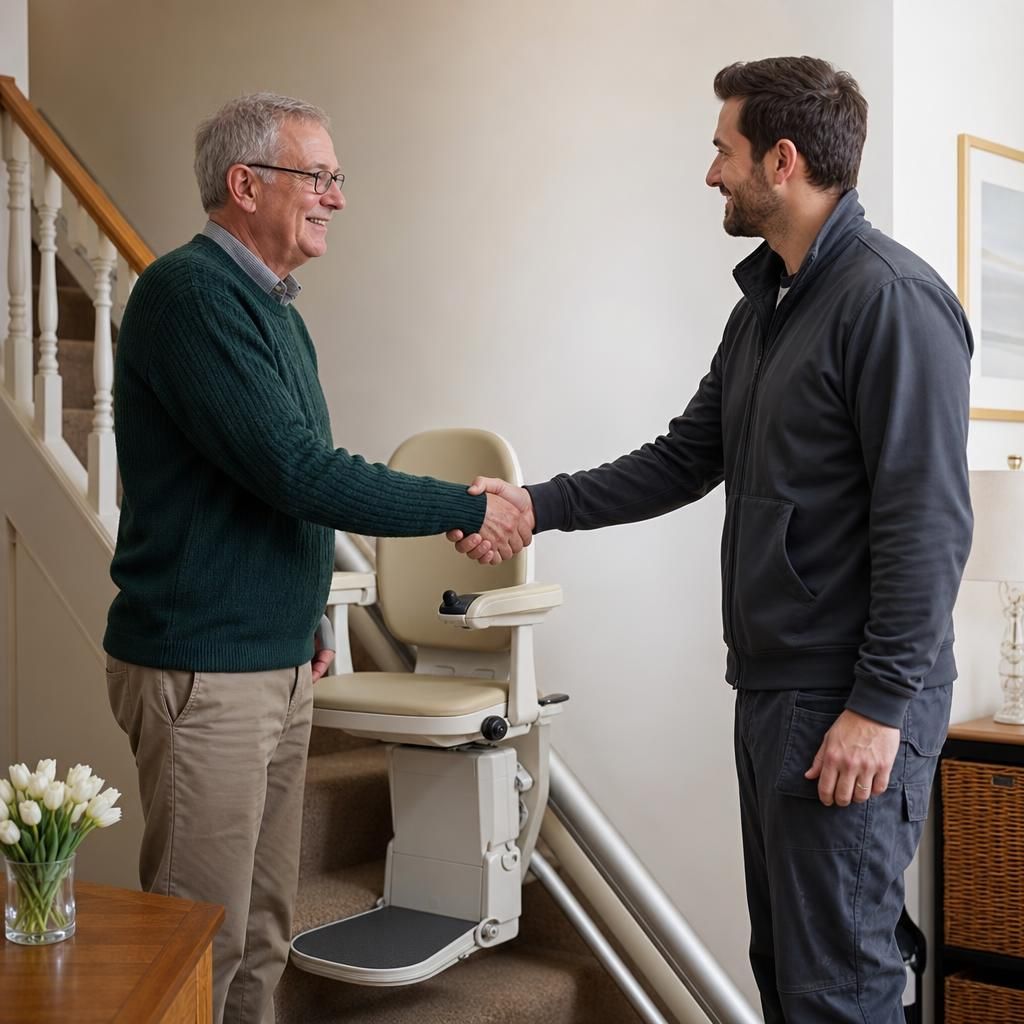
Selling a second hand stairlift involves arranging safe removal, assessing whether it can be reused, and finding a suitable buyer or installer. Its value depends on condition, model, fit, age, staircase compatibility, and remaining warranty.

Book a free assessment

Your Options for Selling a Second Hand Stairlift

Ask the original installer to assess it

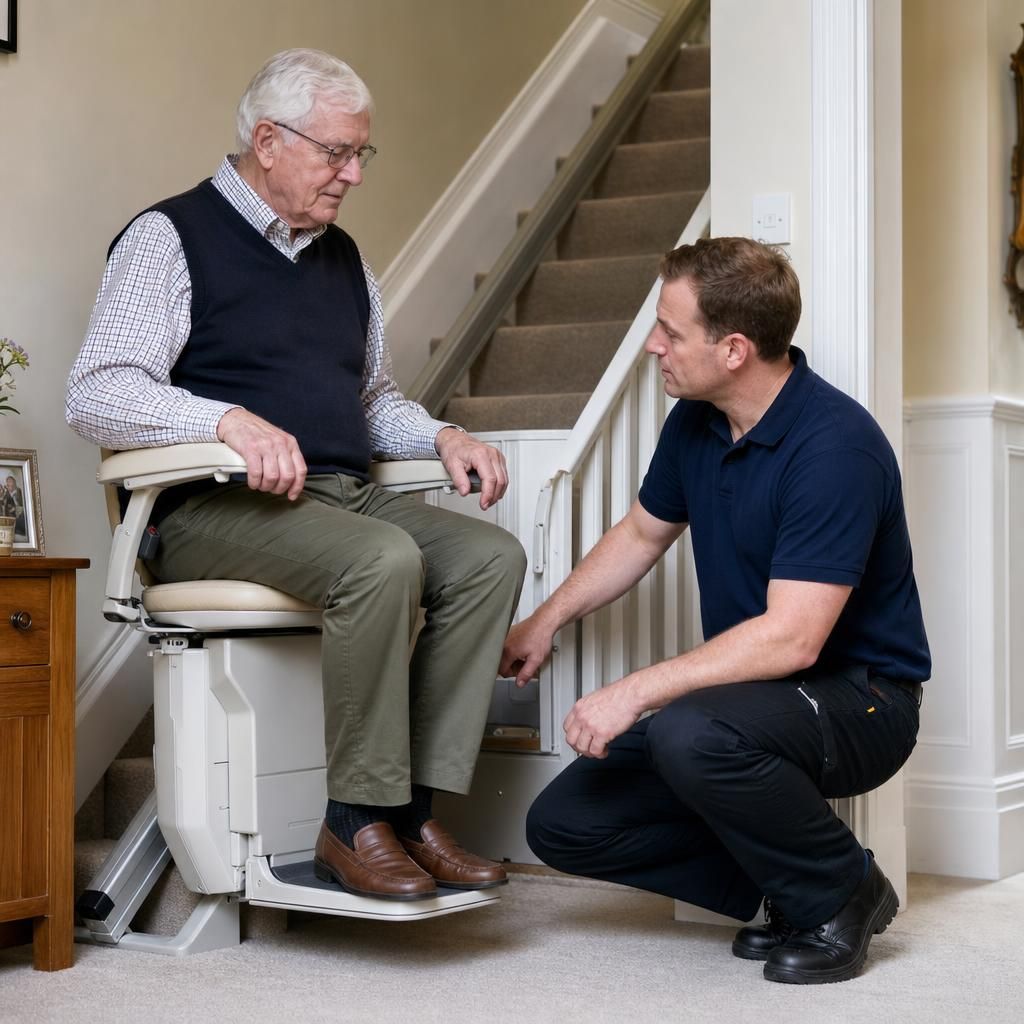
The original installer may be able to identify the model, check its condition and confirm whether removal is practical. They can also advise whether the lift is suitable for reconditioning, although availability of parts, the track design and its age will affect its resale value.

Approach a specialist stairlift buyer

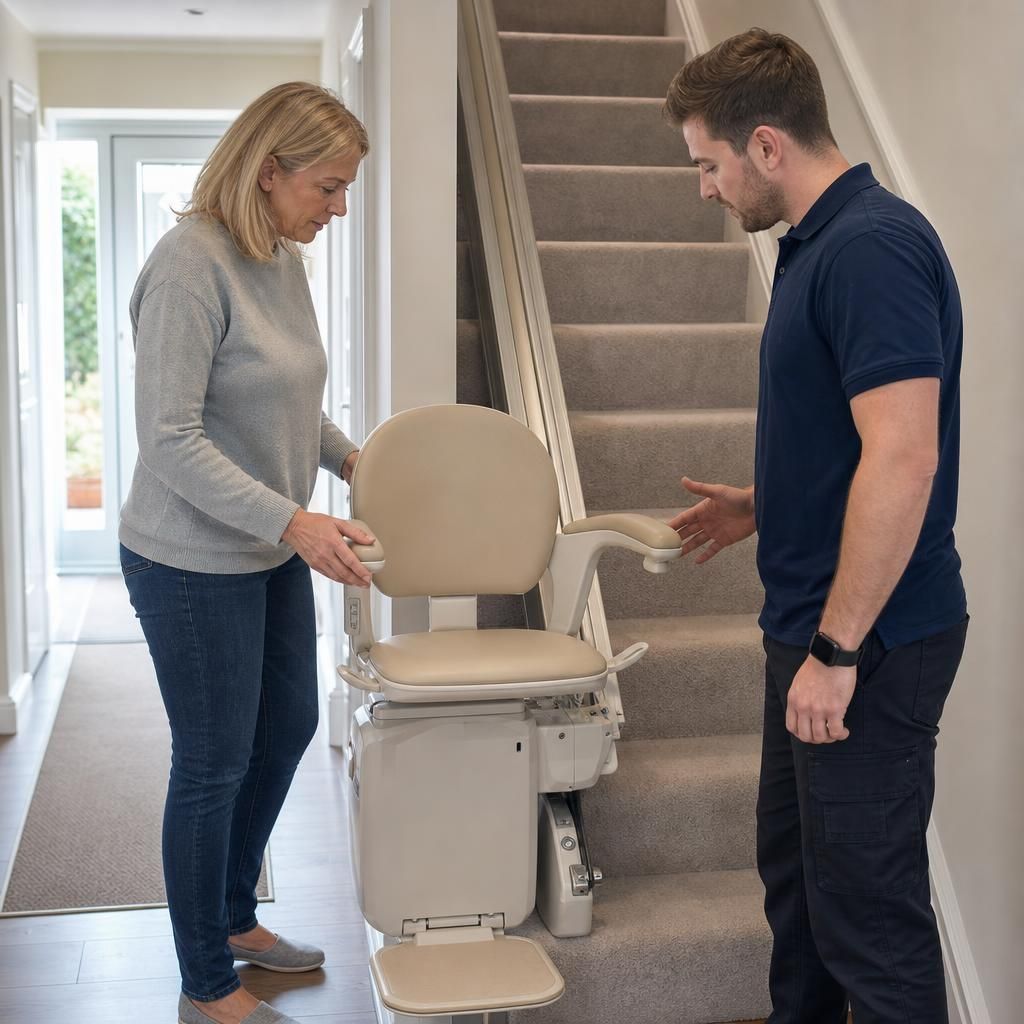
A specialist buyer or reconditioning company can assess the stairlift as a complete system, including the carriage, rail, batteries and controls. This route is usually more suitable than a general sale when you need safe dismantling, technical checks and a realistic view of its value.

Advertise it privately

A private sale may be possible when you know the exact model and have clear photographs, service records and details of the staircase. The buyer will need to arrange a professional compatibility check and installation, as a stairlift that works on one staircase may not fit another.

Include it with the property

If you are moving, leaving the stairlift in place may be practical when it benefits the next resident. Explain its age, condition, service history and whether it can be removed, rather than presenting it as a guaranteed feature of the property.

Arrange responsible removal or recycling

A stairlift with worn batteries, damaged parts, obsolete controls or an unsuitable rail may have little resale value. A qualified installer can remove it safely and identify components for reuse or appropriate recycling, helping to avoid damage to the staircase, wiring or surrounding property.

What Affects a Stairlift’s Resale Value?

A stairlift’s resale value reflects whether it can be safely removed, reinstalled and supported elsewhere, rather than its original purchase price. Condition, age, model, battery health, controls, paperwork and the rail’s condition all influence its assessment.

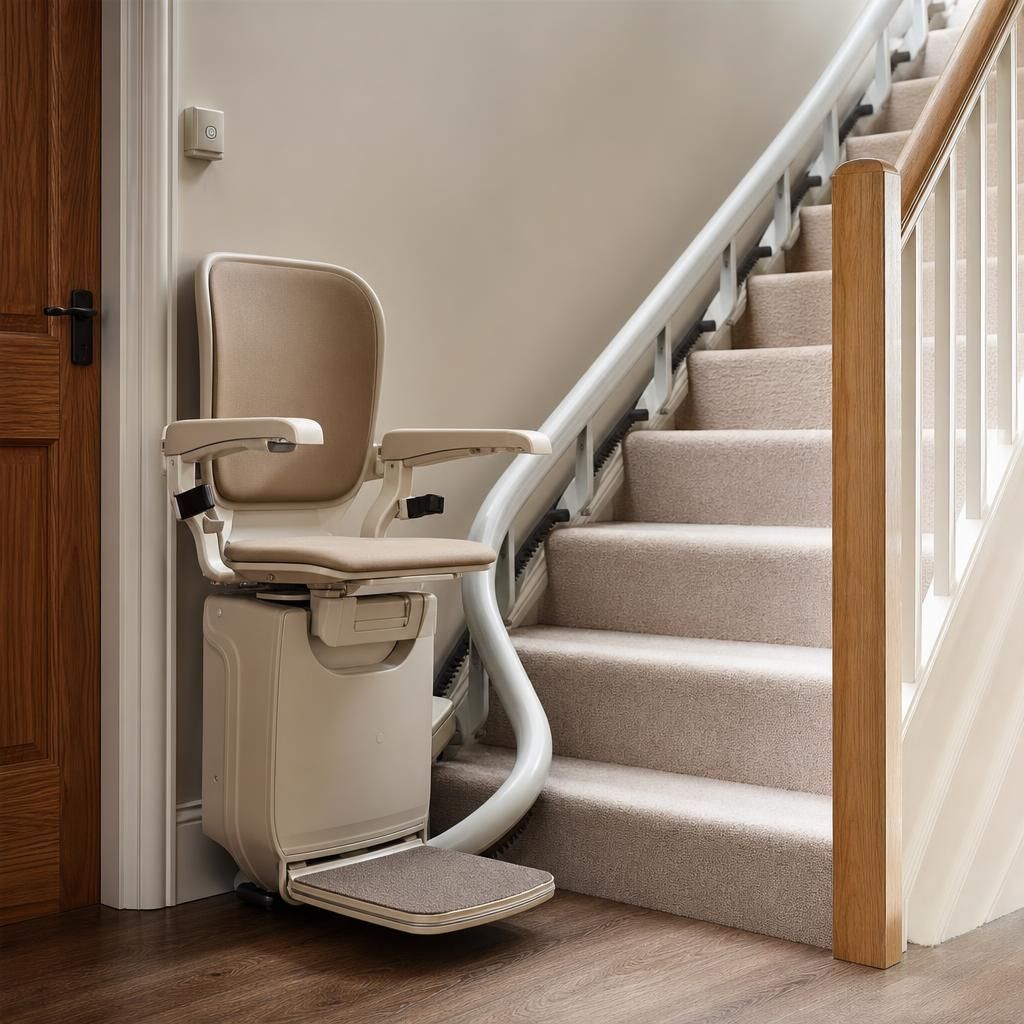
Straight-stair lifts with standard rails may be easier to resell than curved models, because curved rails are made for a particular staircase and often have limited reuse potential. However, a compatible curved rail, current servicing records and a suitable buyer can still add value.

Before advertising a used stairlift, arrange a professional assessment. Independent Stairlifts can discuss safe removal, inspect the equipment and advise whether resale is practical. This helps avoid damage to the staircase and gives a buyer clearer installation information.

Safe Removal and Support When Selling Your Stairlift

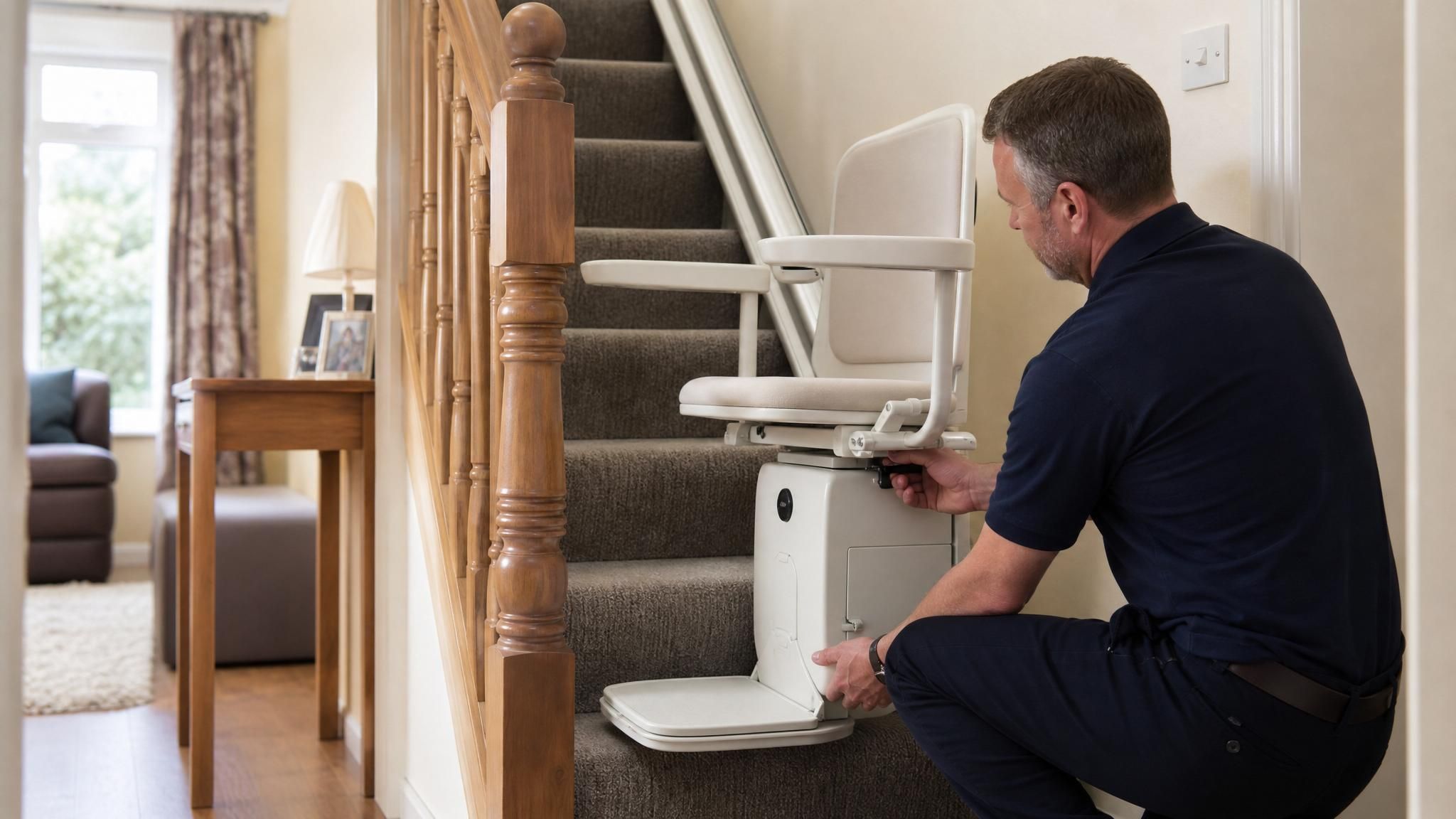
When selling a second hand stairlift, safe removal and an honest condition assessment help protect both the seller and any future buyer. Independent Stairlifts can advise whether the lift is suitable for removal, reconditioning and resale, while taking account of the equipment, rail, batteries, controls and available service history.

Any agreed price, removal arrangements, assessment findings and available warranty or aftercare should be confirmed before work begins. If the stairlift cannot be reused or its condition differs from its description, the next steps can be explained clearly so you know what is and is not included.

Can my stairlift be resold?

A second hand stairlift may be suitable for resale if its equipment, batteries, controls and rail are in serviceable condition and it can be safely matched to another staircase.

Suitability depends on more than age

Independent Stairlifts can assess the stairlift, its rail and available service information before advising whether resale or reconditioning is practical. A straight stairlift with a standard rail may have wider reuse potential, while a curved rail is usually designed for one staircase and may have fewer suitable applications. The assessment should also identify any missing parts, faults or safety concerns.

How is removal arranged?

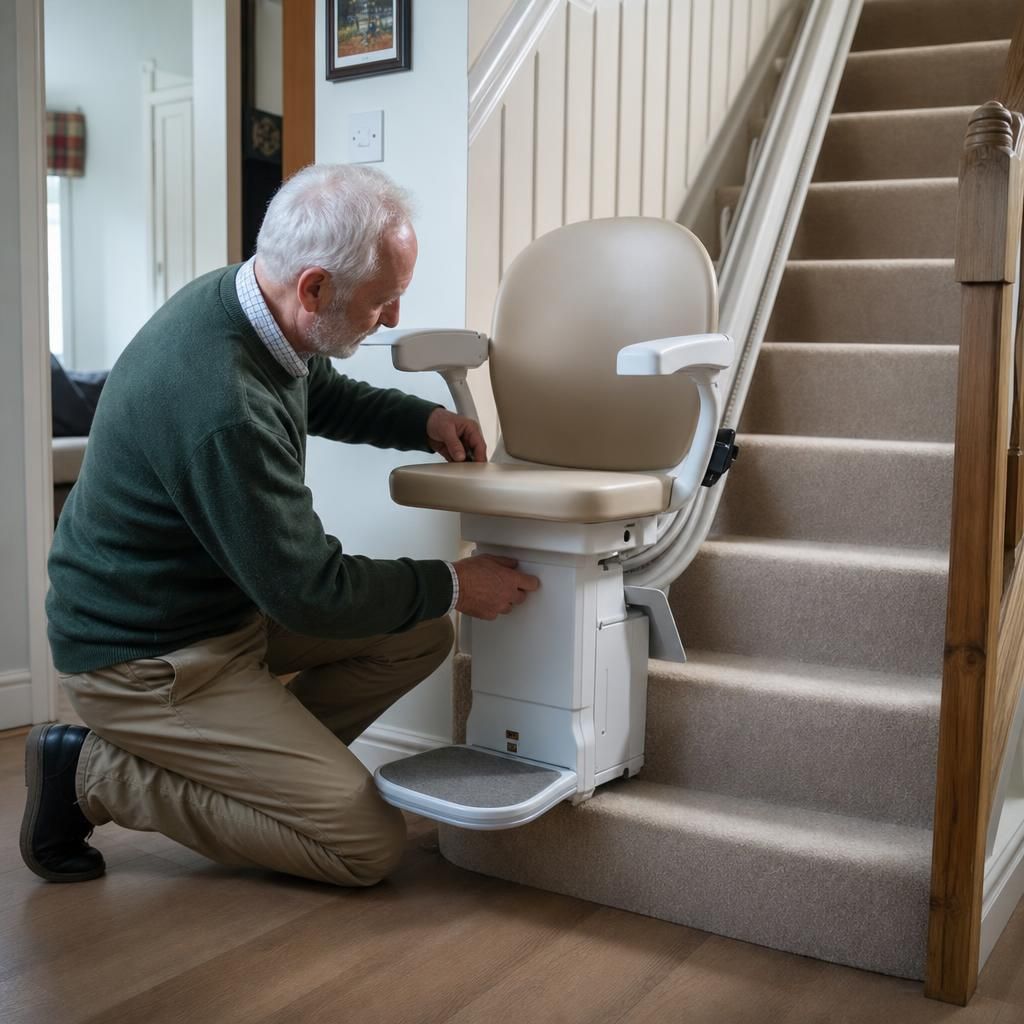
Removal should be carried out by a competent stairlift professional rather than treated as a straightforward DIY task. The process needs to protect the lift, the staircase, surrounding walls and the person carrying out the work.

Safe removal from your property

Before removal, the installer can explain what will be taken away, whether fixings or sections of rail need special handling, and how access will be managed. Batteries and other components should be handled appropriately, and the equipment should be checked for damage after removal. Confirm whether removal, transport, assessment and any making-good work are included in the agreed arrangements.

What condition information should I provide?

Accurate information about the stairlift helps a potential buyer or installer decide whether it can be reused and prevents misunderstandings about its value.

Details that support a fair assessment

Provide the make and model if known, the type of staircase, approximate installation date, recent servicing information and details of any faults. Explain whether the lift has been used indoors or outdoors, whether the batteries hold charge, and whether the controls, seat and safety features work as expected. Photographs and original paperwork can also help, but they do not replace a professional inspection.

Is a second hand stairlift guaranteed?

A second hand stairlift is not automatically covered by the same warranty as a new installation. Any warranty, service cover or aftercare must be confirmed for the specific equipment and agreed before the sale or installation.

Check exactly what is included

Ask whether cover applies to the lift, batteries, controls, rail and installation, and check how long it lasts and what exclusions apply. It is also important to establish who will handle a fault and whether labour, call-outs or replacement parts are included. Independent Stairlifts can explain the available arrangements for equipment it assesses or supplies, so the terms are clear before work proceeds.

What happens if the lift cannot be reused?

Some stairlifts have limited resale potential because of their condition, age, missing parts or a rail that cannot be matched to another staircase. A professional assessment can clarify this before removal or sale is agreed.

Clear options when resale is unsuitable

If the stairlift is not suitable for reinstallation, the next steps may include returning it to the manufacturer or installer where applicable, arranging appropriate disposal, or discussing whether any components can be retained. Do not advertise equipment as ready for reuse if its safety or condition has not been checked. The assessment findings, any costs and the proposed outcome should be explained clearly before you commit to the work.

Sell Your Stairlift with Independent Stairlifts

Selling a second hand stairlift involves more than advertising the equipment: safe removal, condition checks and confirmation that it can be installed elsewhere. Its value depends on the model, rail, age, battery health, documentation and whether the staircase is straight or curved.

Independent Stairlifts can assess the equipment and advise whether removal, reconditioning or resale is practical.

Specialist resale assessment

Independent Stairlifts reviews the stairlift as a complete system, including the seat, controls, batteries and rail, to establish whether resale is a realistic option.

Removal planned around the property

Where removal is appropriate, the work can be considered alongside the staircase, access route and condition of the surrounding fittings.

Clear information for buyers

Model details, available paperwork, servicing history and known limitations can be recorded so a prospective buyer has a more accurate basis for comparison.

Reuse considered carefully

A second hand stairlift is not automatically suitable for another home; compatibility with the staircase and installation requirements must be checked before resale is agreed.

Practical support beyond collection

Independent Stairlifts can explain what removal, reconditioning, resale and any available aftercare involve, helping you compare the options before committing.

Common Concerns When Selling a Second Hand Stairlift

Common objections to selling a second hand stairlift usually concern removal, value, safety and whether the equipment can be reused. Each issue depends on the lift’s condition, model, rail, batteries and installation requirements.

Independent Stairlifts can assess these factors before removal, explain resale options and identify limitations, giving sellers clearer information about pricing, safe disconnection and reuse.

Key Considerations When Selling a Second Hand Stairlift

“I am worried about damaging the staircase”

A stairlift should not be disconnected or removed without checking how it is fixed and powered. A professional removal plan can protect the stairs, isolate the electrical supply correctly and confirm what will be taken away.

“I will not recover what I paid”

A second hand stairlift rarely retains its original purchase price because buyers also consider removal, transport, fitting and future support. An assessment gives you a more realistic view of its resale potential before you commit to advertising it.

“I do not know where to find a buyer”

Selling privately may leave you responsible for enquiries, measurements and arranging removal. An experienced stairlift installer can explain whether a direct resale, trade-in or removal assessment is the most practical route for your particular lift.

“The lift may not be safe for someone else”

A lift should not be passed on solely because it still operates. Its safety depends on its mechanical and electrical condition, correct installation and suitability for the next staircase. Inspection and clear disclosure help prevent an unsuitable sale.

“I no longer have the paperwork”

Missing manuals or service records can make a used stairlift harder to assess, but they do not automatically prevent further advice. The model, equipment condition and installation requirements can be checked separately, with any missing information identified before resale.

“I need it removed quickly”

Removal timing depends on access, electrical arrangements, the lift’s condition and whether it is being reused. Arrange an assessment early and confirm the scope of work, timescale and any making-good requirements before booking removal.

Practical Advice for Selling Your Stairlift

Selling a second hand stairlift means arranging its safe disconnection, checking whether the equipment can be reused and agreeing how it will be collected or resold. Its value depends on condition, age, model, battery performance, rail design and whether it can be fitted safely elsewhere.

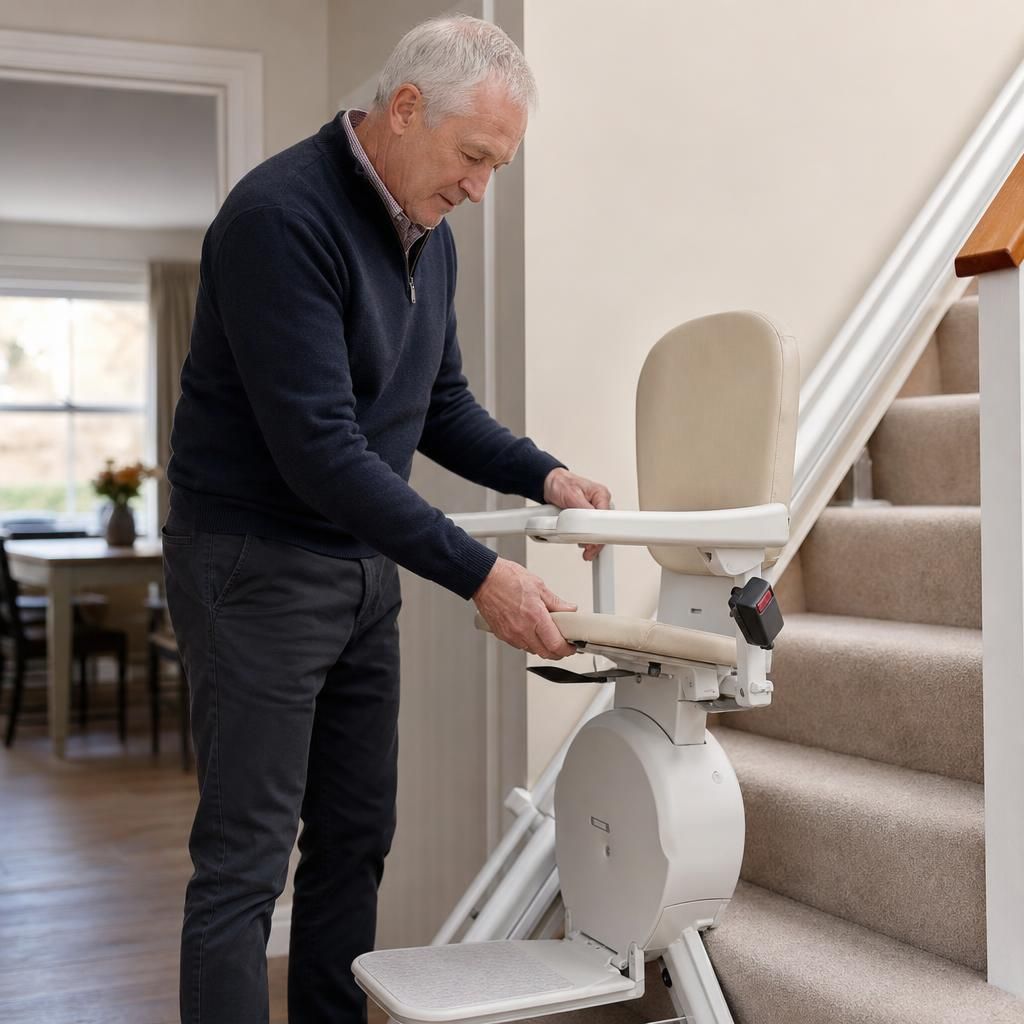
A proper assessment matters because removing a lift without suitable knowledge can damage the stairway or leave faults undiscovered. A professional installer can inspect the chair, rail, controls and charging equipment, review available service records and explain whether removal, reconditioning or recycling is the sensible option. This also gives a potential buyer clearer information.

Independent Stairlifts provides practical advice before work begins, including what may affect resale and which removal and aftercare arrangements are included.

Questions About Selling a Second Hand Stairlift

What should I consider when pricing my second hand stairlift for sale?

Using our service ensures a professional stairlift removal, quick sale, and fair payment, simplifying the process without hidden costs. We value transparency, guaranteeing an efficient and trouble-free experience.

How do I handle the logistics of stairlift removal and sale?

Independent Stairlifts provides comprehensive removal and sale services, handling evaluation, dismantling, and transport efficiently. Our team ensures a hassle-free experience, prioritising safety and professionalism throughout the process.

What steps are involved in preparing my stairlift for sale?

Ensure your stairlift is clean and operational. Gather all documentation, including manuals and service records, to facilitate a smoother sale process and enhance buyer confidence.

Are there any legal or safety regulations I need to consider when selling my second hand stairlift?

Ensure compliance with local devices’ safety standards and verify that the stairlift meets electrical safety requirements before selling. Consult professionals for assessments to address any legal responsibilities.

What are the benefits of selling my second hand stairlift to a professional company rather than privately?

Selling to a professional company streamlines the process, with expertise in evaluation, removal, and timely payment, reducing risks like improper dismantling or delayed sales often encountered in private transactions.

Safe Removal, Clear Resale and Aftercare Arrangements

Independent Stairlifts can explain the lift’s condition, removal arrangements and any available warranty or aftercare before you proceed. A documented assessment helps clarify reliability, likely maintenance and whether reconditioning is required, so you can choose resale with clearer expectations.

Contact Us

Request a free assessment

No obligation. We will talk through your staircase and options.

Ease of Use Commendation — Arthritis FoundationAll of our stairlifts carry the Ease of Use Commendation.

Questions to Ask Before Selling a Second Hand Stairlift

What is the process for safely removing my stairlift once it has been sold?

Ensure your stairlift is in good working condition with proper maintenance records for better offers and a smoother sale process.

How do I ensure I receive a fair valuation for my used stairlift during the sale?

Arrange for a professional assessment by stairlift experts to determine its age, condition, and market trends, ensuring an accurate valuation that reflects current demand and fair pricing.

What aspects should I consider when deciding between a private sale and selling to an established stairlift company?

Consider ease, speed, and expertise. Selling to a company ensures professional removal and quicker payment, while private sales may involve negotiation and logistical challenges but potentially offer higher returns.

What should I know about the legal requirements and responsibilities involved in selling my second hand stairlift?

Understand local regulations and ensure proper contracts and warranties are in place. Disclosure of product condition and compliance with safety standards are seller responsibilities to avoid potential liabilities.

What are the most effective marketing strategies to ensure a quick sale of my second hand stairlift?

Utilising online platforms and community noticeboards maximises visibility. Highlight key features, including condition and model, and ensure accurate descriptions. Independent Stairlifts aids by offering platforms tailored for stairlift sales.

Arrange a Safe Stairlift Assessment

Thinking of selling a second hand stairlift? Contact Independent Stairlifts for advice on assessment, safe removal and potential resale. We can explain the lift’s condition, likely options and any agreed arrangements before work begins, helping you proceed with clear expectations.

Contact Us

Request a free assessment

No obligation. We will talk through your staircase and options.

Ease of Use Commendation — Arthritis FoundationAll of our stairlifts carry the Ease of Use Commendation.