
What are the most effective marketing strategies to ensure a quick sale of my second hand stairlift?
To sell a second hand stairlift quickly, create an accurate listing with clear photographs, essential details such as the make, model, age and stair configuration, and a realistic price based on its condition and suitability. Advertise through relevant local channels and established stairlift companies, respond promptly to enquiries, and make clear that removal and installation should be completed safely by a qualified professional.
The quickest way to sell a second hand stairlift is to combine an accurate, well-presented listing with realistic pricing, targeted advertising and prompt responses to enquiries. Buyers need enough information to establish whether the lift is suitable for their staircase, while professional purchasers need clear details to assess its resale and installation potential. A vague advert or unrealistic price can delay the sale, even when the stairlift is in good condition.
Prepare the key information before advertising. Include the manufacturer, model, approximate age, stairlift type and condition. State whether it is a straight, curved or outdoor stairlift, and explain any relevant features such as powered swivel seat, folding rail, hinged track, remote controls or a particular seat configuration. For a curved stairlift, explain that the rail is normally made for a specific staircase and may have limited resale value unless it can be adapted or reused. This helps prevent unsuitable enquiries.
Also record whether the stairlift is currently working, when it was last used, whether the batteries hold charge, and whether servicing or repairs have been carried out. If you have manuals, service records, purchase documents, spare parts or both remote controls, mention these in the advert. Do not claim that a stairlift is fully serviced, safe or ready to install unless this has been confirmed by a suitably qualified professional.
Use clear photographs that answer a buyer’s practical questions. Take well-lit images of the complete stairlift, the seat and controls, the rail, footrest, batteries or charging point, and any visible wear. Photograph the staircase from the bottom and top so that the layout can be understood. Include close-ups of the model label, serial plate and any damage, rather than hiding defects. Honest photographs reduce wasted viewings and make it easier for a company to provide an initial assessment.
Remove personal items from the staircase before taking photographs and avoid showing faces, addresses or other private information. A short video showing the lift operating may be useful, but it should not replace a professional inspection. Do not operate the stairlift if it appears damaged or unsafe.
Price the stairlift according to its actual resale potential. Compare similar used stairlifts, taking account of their age, condition, specification and whether removal is included. A straight stairlift is generally easier to assess for reuse than a curved model, because a curved rail is designed around a particular staircase. The original purchase price alone is not a reliable guide to the current selling price.
Make it clear whether the advertised price includes removal, transport, inspection, reconditioning or installation. If the buyer must arrange these separately, say so prominently. Allowing a reasonable margin for negotiation can encourage enquiries, but setting the price substantially above comparable used equipment is likely to slow the sale. A professional valuation can help establish a more realistic figure, particularly for curved, outdoor or specialist stairlifts.
Advertise where suitable buyers are most likely to look. Local classified platforms, community groups and relevant mobility forums may reach private buyers, while an established stairlift company may be able to assess the equipment for possible resale or parts recovery. Tell prospective buyers whether the stairlift remains installed and whether they are expected to arrange removal. Do not agree to dismantling by an inexperienced buyer simply to complete the transaction quickly.
When using a private listing, include useful search terms naturally, such as the make, model, stairlift type and area. Avoid making the advert too broad or suggesting that the lift will fit every staircase. A concise description containing the facts buyers need will usually perform better than an advert based on general claims about comfort or reliability.
Respond quickly and provide consistent information. Keep the model details, photographs, price and removal arrangements together so that you can answer questions accurately. Ask an interested buyer for photographs and measurements of their staircase if they are considering reuse, but explain that suitability must be confirmed by a competent installer. Stairlifts cannot be safely assessed from the model name alone, particularly where the staircase has landings, narrow sections, unusual angles or external exposure.
Be cautious about sharing personal details and agree payment and collection arrangements before the sale. Do not release the stairlift until payment has cleared, and keep a written record of what was included, the agreed price and each party’s responsibility for removal and transport.
Make safe removal part of the marketing plan. State that removal, electrical isolation and installation should be completed by a qualified stairlift professional. A stairlift may be connected to a mains supply or contain batteries and other components that can be damaged during dismantling. Incorrect removal can damage the property, the equipment or the person carrying out the work. It may also affect whether the stairlift can be tested, reconditioned or installed elsewhere.
For the fastest and simplest route, ask an established stairlift company to assess the lift and explain whether it can be purchased, removed or recycled. This may produce a lower return than finding a private buyer, but it can reduce the time spent advertising, arranging viewings, organising transport and checking compatibility. The best option depends on the stairlift’s condition, configuration and likely demand.
Before publishing the advert, check that it includes the make and model, type of staircase, age, condition, working status, photographs, accessories, location, price and removal terms. This level of detail attracts more relevant enquiries and gives you a better chance of completing a safe sale without avoidable delays.
The most effective way to market a second hand stairlift is to provide accurate information and clear photographs so potential buyers can quickly judge its condition and suitability. Include the make, model, approximate age, stairlift type, working status, location and asking price.
Photograph the complete lift, seat, controls, rail, charging point and any visible damage. Also show the staircase from the bottom and top, while removing personal items and avoiding private information in the background. If the lift is curved, explain that its rail was made for a particular staircase and may not be suitable elsewhere.
State clearly whether the price includes removal, transport, inspection or installation. Explain that compatibility must be confirmed by a competent stairlift professional and that removal should be carried out safely by a qualified installer. This prevents unsuitable enquiries and helps serious buyers make an informed decision.
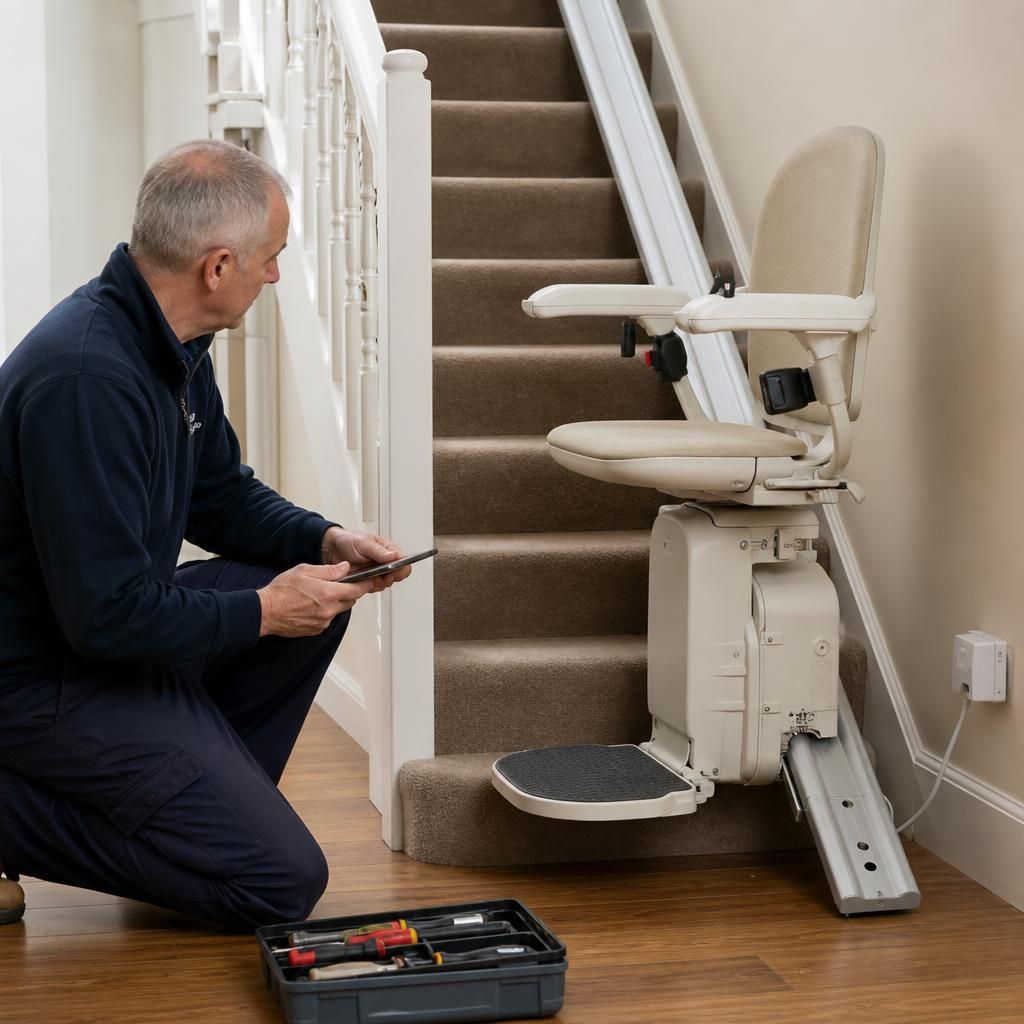
Ask us about selling your second hand stairlift
Contact Independent Stairlifts to discuss selling your second hand stairlift and arrange an assessment of its condition, configuration and resale potential. We can explain the available options, including professional removal where appropriate.