
What are the safety features included in platform stairlifts?
Platform stairlifts typically include safety ramps or barriers, non-slip platforms, sensors that stop movement if an obstruction is detected, secure controls and automatic braking. Many also provide emergency stop controls, battery backup and alarms, although the exact features vary by model and installation.
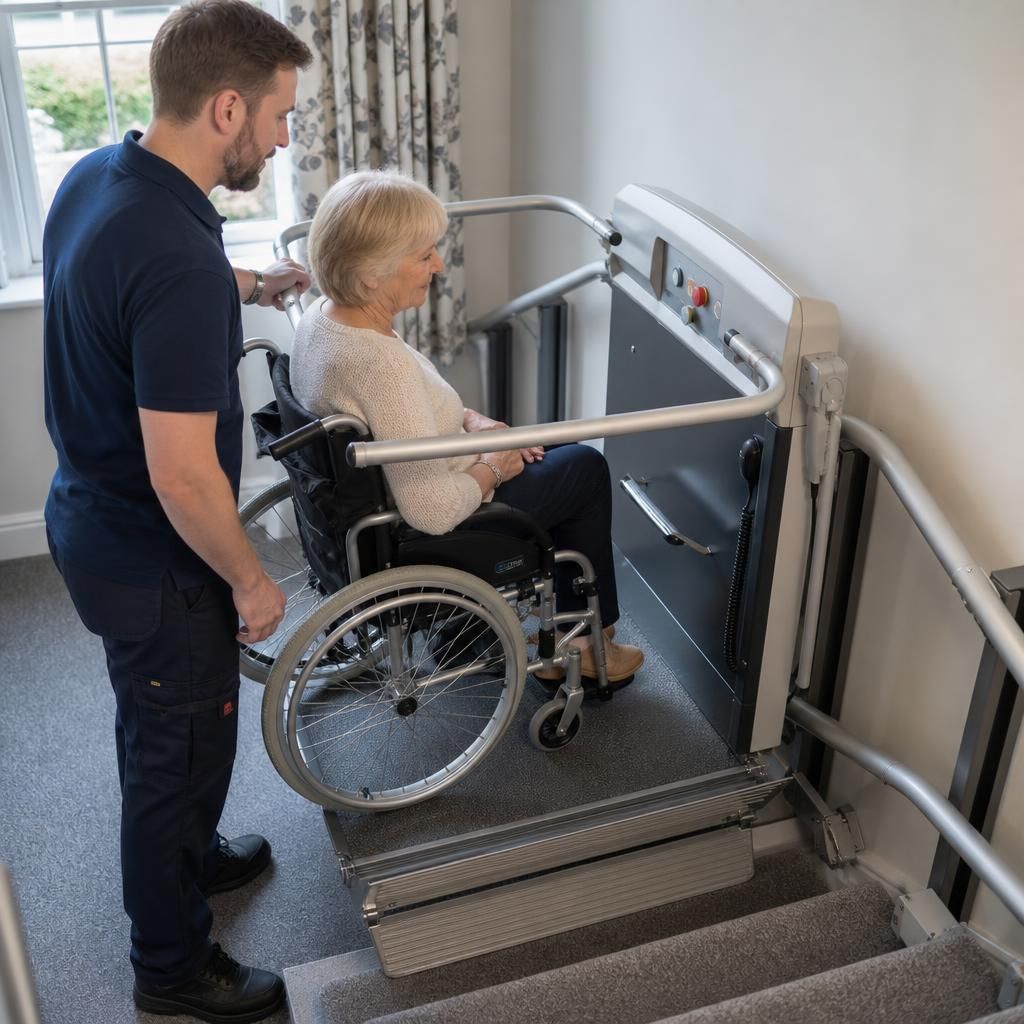
Platform stairlifts are designed with several integrated safety features to carry a wheelchair user securely along the stairs. These commonly include a non-slip platform, access ramps or safety barriers, obstruction sensors, controlled movement, automatic braking, emergency controls and battery backup. The exact combination depends on the model, staircase layout and installation assessment.
Secure platform and wheelchair positioning
The platform provides a stable surface for the wheelchair, with a textured or non-slip finish to reduce movement during travel. Depending on the design, the wheelchair may be positioned against a backrest or protected by folding arms, guardrails or other retaining features. Some installations also use wheelchair restraints or seat belts where appropriate. These should be used as instructed, particularly on longer or steeper flights.
Access ramps at the platform entrance normally fold up or form a raised edge once the lift is moving. This helps prevent the front or rear wheels of the wheelchair from rolling off the platform. On some models, the ramps also act as barriers when raised. The platform should only be loaded within its specified capacity and with the wheelchair placed in the recommended position.
Obstruction detection
Sensors and safety edges are fitted to detect objects in the platform’s path or beneath its moving parts. If an obstruction is detected, the lift should stop or prevent movement in the affected direction. This helps protect people, pets, furniture and the equipment itself, but sensors are not a substitute for checking the route before use.
Where the platform folds when not in use, sensors or pressure-sensitive edges can also help prevent it from operating if something is trapped or positioned incorrectly. Users should keep the stairs and landing clear and should not attempt to override a safety sensor.
Controlled operation and braking
Platform stairlifts generally use hold-to-run controls, meaning the control button must be kept pressed while the lift is travelling. Releasing it stops the lift. Controls may be located on the platform, on a remote handset or at the landings, depending on the installation.
Automatic braking helps bring the platform to a controlled stop when the control is released, the lift reaches its destination or a safety system is activated. The drive system is designed to prevent uncontrolled movement, while limit switches help stop the platform at the correct points at the top and bottom of the staircase.
Emergency stop and communication features
An emergency stop control allows the user or a carer to stop the lift immediately if there is a problem. Many installations also include an alarm, audible warning or other indication if the emergency stop has been activated or a fault is detected. It is important that everyone who may use or supervise the stairlift knows where these controls are located.
Some models provide an emergency lowering or manual release procedure. This is model-specific and should only be carried out according to the manufacturer’s instructions or by a trained engineer. Do not try to force the platform or release the drive mechanism yourself.
Battery backup and power-failure protection
Most domestic platform stairlifts use rechargeable batteries so the lift can complete a journey, or be moved to a safe position, if the mains electricity fails. Charging points are normally positioned at one or both ends of the rail. Keeping the lift parked on a charging point when it is not in use helps maintain battery performance.
Battery backup does not provide unlimited operation during a prolonged outage. If the lift stops during a power failure, follow the instructions supplied at installation and contact Independent Stairlifts or the servicing provider if assistance is needed. Never use an extension lead or make electrical changes to the installation without professional advice.
Safety controls and user access
A key switch or similar control can prevent unauthorised use. Remote controls may allow a carer to send the platform to another landing, while clear directional controls help reduce the risk of accidental operation. Some systems provide audible or visual warnings while the platform is moving or when a ramp or barrier is not correctly positioned.
The installation should also allow sufficient clearance at landings and around doors, with controls positioned so they can be reached safely from the wheelchair. During the assessment, the installer should consider the user’s mobility, vision, hearing, hand control and ability to transfer or position the wheelchair.
What the user should check before travelling
- Check that the platform, ramps and barriers are fully deployed and correctly positioned.
- Apply the wheelchair brakes and position the chair as instructed.
- Use any supplied restraint or seat belt correctly.
- Keep hands, feet, clothing and bags inside the platform and away from the rail and moving parts.
- Make sure other people, children and pets are clear of the stairs.
- Do not exceed the specified capacity or carry loose items that could fall onto the staircase.
- Release the control if the lift behaves unexpectedly, then use the emergency stop if necessary.
Safety features work properly only when the platform stairlift is correctly installed, used as intended and maintained at the recommended intervals. Servicing checks can identify worn rollers, damaged safety edges, battery deterioration, charging faults and problems with brakes or controls. If a warning light appears, the lift makes an unusual noise, stops repeatedly or fails to charge, take it out of use and arrange an inspection rather than attempting a repair yourself.
During a home assessment, the installer can confirm which safety features are available for the proposed model and how they suit the staircase, wheelchair and user. They should also demonstrate normal operation, emergency procedures, charging requirements and the correct way to leave the platform at each landing.
Obstruction sensors are a key safety feature in platform stairlifts. They monitor the platform, rail and moving parts for objects in the travel path, helping the lift stop if it encounters furniture, pets, people or another obstruction.
Safety edges and sensors can also help prevent movement if a folding platform, ramp or barrier is not correctly positioned. Keep the staircase and landings clear before travelling, and never override or bypass a sensor. If the lift stops unexpectedly or repeatedly detects an obstruction, switch it off safely and contact the servicing provider for advice.
Discuss platform stairlift safety features with our team
If you have questions about the safety features on your platform stairlift, discuss your requirements with our team. We can explain the controls, emergency procedures and maintenance needs for your installation.