
How long does a typical stairlift installation take, and will it disrupt my daily routine?
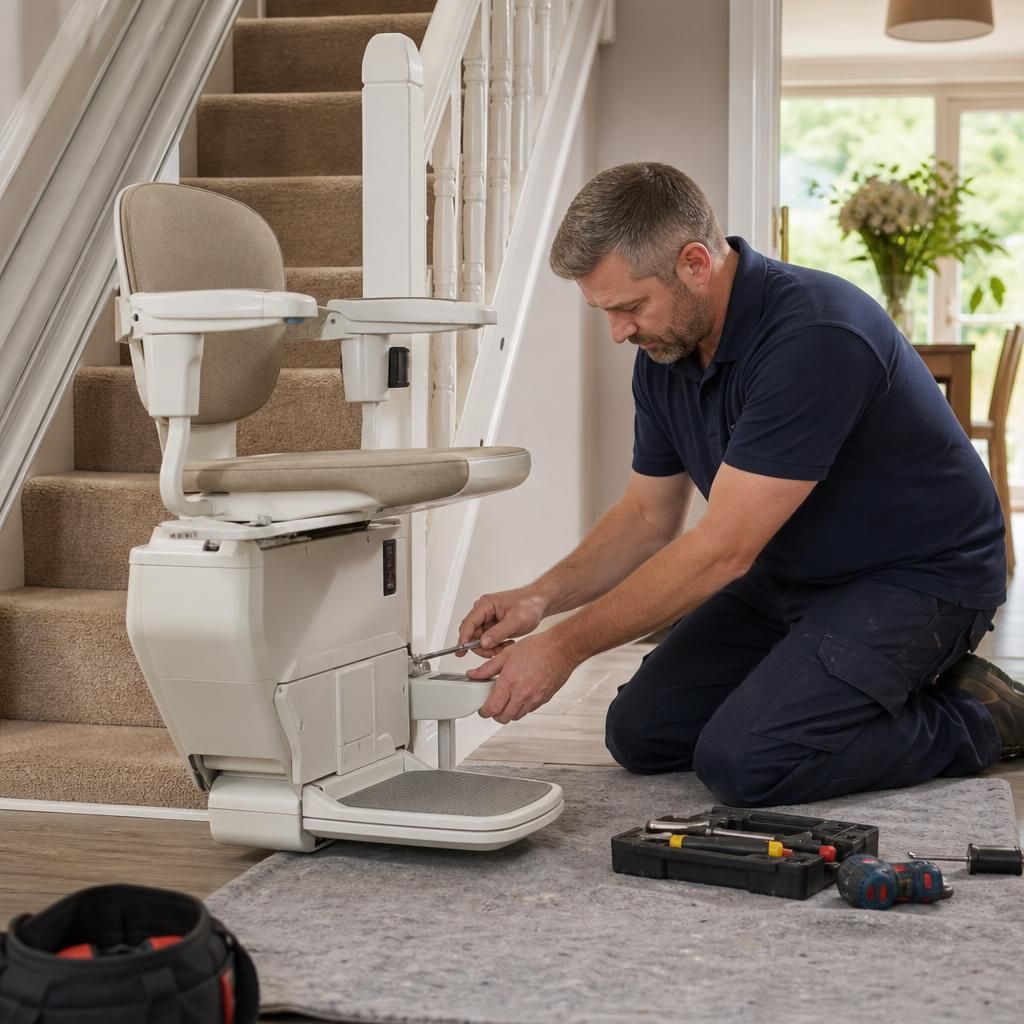
A typical straight stairlift installation is usually completed within a few hours, while a curved or more complex installation may take longer because the rail is made to suit your staircase. The installer works carefully and keeps disruption to your daily routine to a minimum, explaining when the stairs need to be kept clear and showing you how to use the stairlift before leaving.
A typical straight stairlift installation is usually completed within a few hours. Curved stairlifts and installations with more complex access requirements can take longer because the rail is designed to follow the individual staircase. In most homes, disruption is limited to the installation period, although the stairs will need to remain clear while the engineer is working and during final safety checks.
What happens on installation day? The installer will normally begin by checking the staircase, access route and agreed position of the stairlift. They will protect the relevant areas where necessary, confirm the installation plan and identify any practical issues before work starts. The stairlift is then fitted to the stairs, rather than usually requiring major structural alterations to the walls or floor.
For a straight stairlift, the work commonly involves fitting the rail, attaching the carriage and seat, connecting the charging points, and testing the controls and safety features. A curved stairlift requires a rail made to match the shape, length and landings of your staircase, so the installation process may involve additional fitting and adjustment. Outdoor stairlifts or installations involving unusual steps, narrow access or more than one landing may also require extra time.
Will I be able to use the stairs during the work? No. The staircase must be kept clear while the installer is carrying materials, fitting the rail and testing the lift. This is a normal safety requirement. The installer should explain when the stairs need to be avoided and how long this is expected to last. If you live with someone who needs to move between floors, plan an alternative route or arrange assistance before the appointment.
Once the installation is complete, the engineer will test the stairlift through its full operating range. They will check the seat, armrests, footrest, controls, sensors, swivel mechanism, seat belt and charging system, as applicable to your model. The stairs and surrounding area should then be left safe and usable, with any installation debris removed.
What will I be shown before the installer leaves? You should receive a practical demonstration covering:
- how to switch the stairlift on and off;
- how to sit down, fasten the seat belt and operate the controls safely;
- how to use the swivel seat, folding parts and remote controls, if fitted;
- where the stairlift should be parked for charging;
- what the warning sounds or indicator lights mean; and
- what to do if the lift stops or displays a fault.
You will usually have an opportunity to operate the stairlift yourself before the appointment is finished. Take your time and ask the installer to repeat any part of the demonstration. If another person will use or supervise the stairlift, they should be shown the controls and basic safety procedures as well.
What can make installation take longer? The main factors are the type and shape of the staircase, the number of landings, the position of doors or radiators, restricted access to the property, and whether electrical work or other preparation is needed. A curved rail is individually made, so its installation cannot always be treated in the same way as a standard straight fitting. Your assessment and installation arrangements should identify any unusual requirements in advance.
It is sensible to keep the area around the stairs clear before the installer arrives. Move ornaments, rugs, furniture and other items that could obstruct access, and make sure the route from the entrance to the staircase is reasonably accessible. You do not normally need to empty the whole room or make major changes to your home. If you have concerns about flooring, wall finishes, pets or other household arrangements, raise them before the installation date.
How much will your daily routine be affected? Most customers only need to plan around the period when the stairs are being worked on. You may be able to continue using other rooms and carrying on with normal activities, but expect some noise, movement of equipment and temporary restrictions around the staircase. If you work from home, care for someone, or have medication, meals or appointments arranged around moving between floors, discuss this when confirming the appointment.
After installation, the stairlift should make movement between floors easier without preventing other people from using the stairs. Many models fold when parked, helping to preserve available stair space, although the exact clearance depends on the staircase and chosen design. Users and visitors should still take care when passing a parked lift and follow the instructions provided.
If the installation cannot be completed as planned, the engineer should explain the reason and agree the next step with you. Do not use the stairlift until it has been fully fitted, tested and demonstrated as safe. If you notice an unusual noise, movement or warning after installation, stop using it and contact the aftercare team for advice rather than attempting to adjust the equipment yourself.
Stairlift installation usually causes temporary disruption rather than changes to your home. The staircase must remain clear while the installer fits and tests the lift, so you should avoid using it until the work is complete and the engineer confirms that it is safe.
You can normally continue using other rooms, but expect some movement of equipment and installation noise. To help the appointment run smoothly:
- Clear ornaments, rugs and furniture from the staircase and the route to it.
- Keep children and pets away from the work area.
- Arrange an alternative way to move between floors if this is essential during the appointment.
- Tell the installer in advance about mobility, medication or care arrangements that depend on access to the stairs.
Once fitting and safety checks are complete, the installer will demonstrate the controls and explain how to park and charge the stairlift. You can then resume using the staircase in line with the instructions provided.
Book Your Stairlift Installation Assessment
Arrange your stairlift installation assessment with Independent Stairlifts so we can confirm the most suitable solution, installation time and any preparation needed for your home.