
How do I prepare my home for a stairlift installation to ensure a smooth process?
To prepare your home for a stairlift installation, clear the staircase, landings and nearby access routes, and remove items that could obstruct the installation team or the finished lift. Keep the assessment and installation appointments available, and tell your installer about access concerns, parking arrangements, pets or any changes in your mobility so the stairlift can be fitted safely and efficiently.
Preparing your home for a stairlift installation mainly involves keeping the staircase, landings and access routes clear, making practical arrangements for the installation team, and sharing any relevant information about the user or property in advance. Good preparation helps the assessment and fitting proceed safely, while ensuring the finished stairlift can be used without avoidable obstructions.
Before the assessment or installation visit, check the following areas.
- Clear the staircase: Remove shoes, toys, ornaments, plant pots, furniture and other items from every stair and landing. The installer needs safe access to the full staircase, including the top and bottom areas where the stairlift parks.
- Keep access routes open: Clear hallways, entrances and any route between the parking area and the staircase. Move fragile items or possessions that could be knocked or damaged while equipment is carried into the property.
- Check the space around doors and landings: A stairlift may need to fold, swivel or park at the top or bottom of the stairs. Leave nearby doors and landing areas accessible so the installer can confirm that the proposed position works safely with the surrounding layout.
- Arrange parking and entry: Tell the installation team about parking restrictions, narrow access, shared entrances, security gates, steps outside the property or any other access issue. If a permit, code or key is needed, arrange this before the appointment.
- Secure pets: Keep dogs, cats and other pets away from the work area and from open external doors while equipment is being brought in. This protects the animals and allows the team to work without distraction.
- Plan for the user: The person who will use the stairlift should avoid the staircase while fitting is in progress. Arrange a safe alternative route or a suitable room to use during the visit, particularly if the person is unsteady or cannot manage the stairs independently.
Do not dismantle the staircase, remove bannisters or arrange building work unless this has been specifically recommended following the assessment. Most stairlifts are secured to the stairs rather than the wall, and the installer will determine the appropriate fixing method for the property. If the staircase has unusual dimensions, limited landing space, damaged steps or a structural concern, raise this during the assessment instead of attempting to alter it yourself.
Make sure the installer has accurate information about the user’s mobility and usual routine. Mention difficulties such as limited balance, reduced grip, problems bending the knees or hips, difficulty transferring on and off a seat, or a need to park the lift in a particular position. Also explain whether the user will operate the stairlift alone, needs help from a carer, or uses a walking aid or wheelchair. These details can affect the choice of seat, controls, swivel mechanism, footrest and safety features.
Tell the team about any changes since the original assessment, including a change in the user’s condition, a fall, a new walking aid, alterations to the staircase or building work nearby. A previous recommendation may need to be reviewed if the environment or the user’s needs have changed. Keep relevant information available, such as details of the user’s height, weight, medication-related mobility issues or advice from an occupational therapist, where this is relevant to safe use.
On the day of installation, provide a clear working area and ensure that an adult is available to answer questions and approve the final positioning if required. Keep children and visitors away from tools, fixings and equipment. The installer may need access to a nearby electrical socket, depending on the stairlift model and charging arrangement, so avoid blocking sockets or the areas where the lift is expected to park.
Expect some routine noise and activity while the stairlift is fitted and tested. Protect valuable or delicate items near the staircase and consider closing internal doors to limit dust or disruption. The installer should check the track, seat, controls, sensors, safety edges and charging points before demonstrating the stairlift. Do not use the lift until these checks and the handover have been completed.
After fitting, keep the staircase and parking areas free from clutter. A stairlift can be folded when not in use, but objects left close to the track, footrest or sensors may still interfere with operation. Make sure the user understands how to sit correctly, fasten the safety belt, operate the controls, use the swivel or powered features if fitted, and stop the lift safely in an emergency. Ask questions during the handover if any part of the operation is unclear.
If access to the property is difficult, the staircase is unusually narrow or the user’s mobility has changed, contact Independent Stairlifts before the appointment. Providing this information early allows the assessment and installation to be planned around the property and the user’s specific safety needs, reducing the risk of delays or last-minute changes.
Clearing the staircase and the route to it is one of the most useful ways to prepare for a stairlift installation. Remove loose items from the steps, landings and nearby hallways, including shoes, toys, ornaments and furniture. This gives the installer safe working access and reduces the risk of belongings being damaged as equipment is brought into the property.
Keep doors, parking areas, entrances and shared access points usable on the day. Tell the installation team in advance about narrow paths, security gates, parking restrictions or steps outside the property. Pets and children should be kept away from the work area, and the stairlift user should use an alternative route until fitting and safety checks are complete.
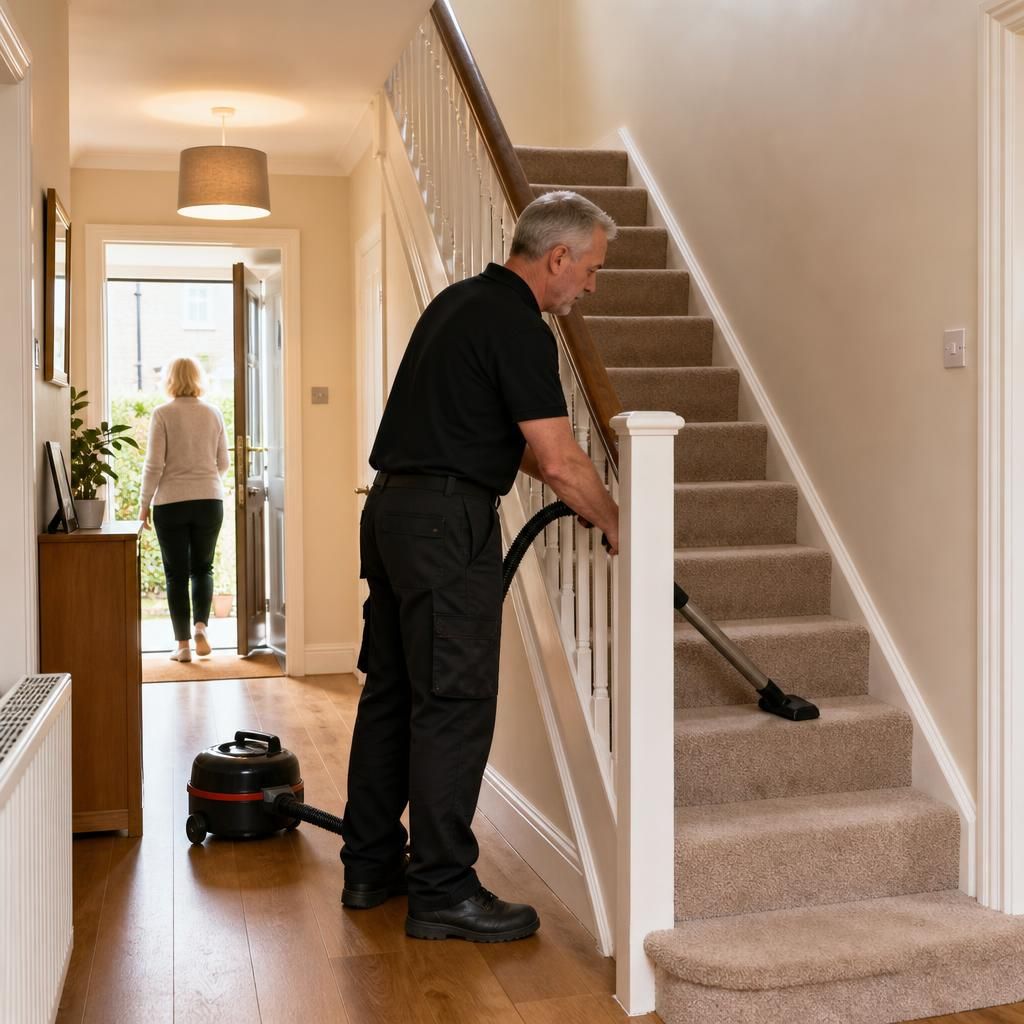
Prepare for your stairlift installation with expert advice
If you need help preparing your home or your circumstances have changed, contact Independent Stairlifts before the installation. We can confirm what access arrangements are needed and answer any questions about the fitting.