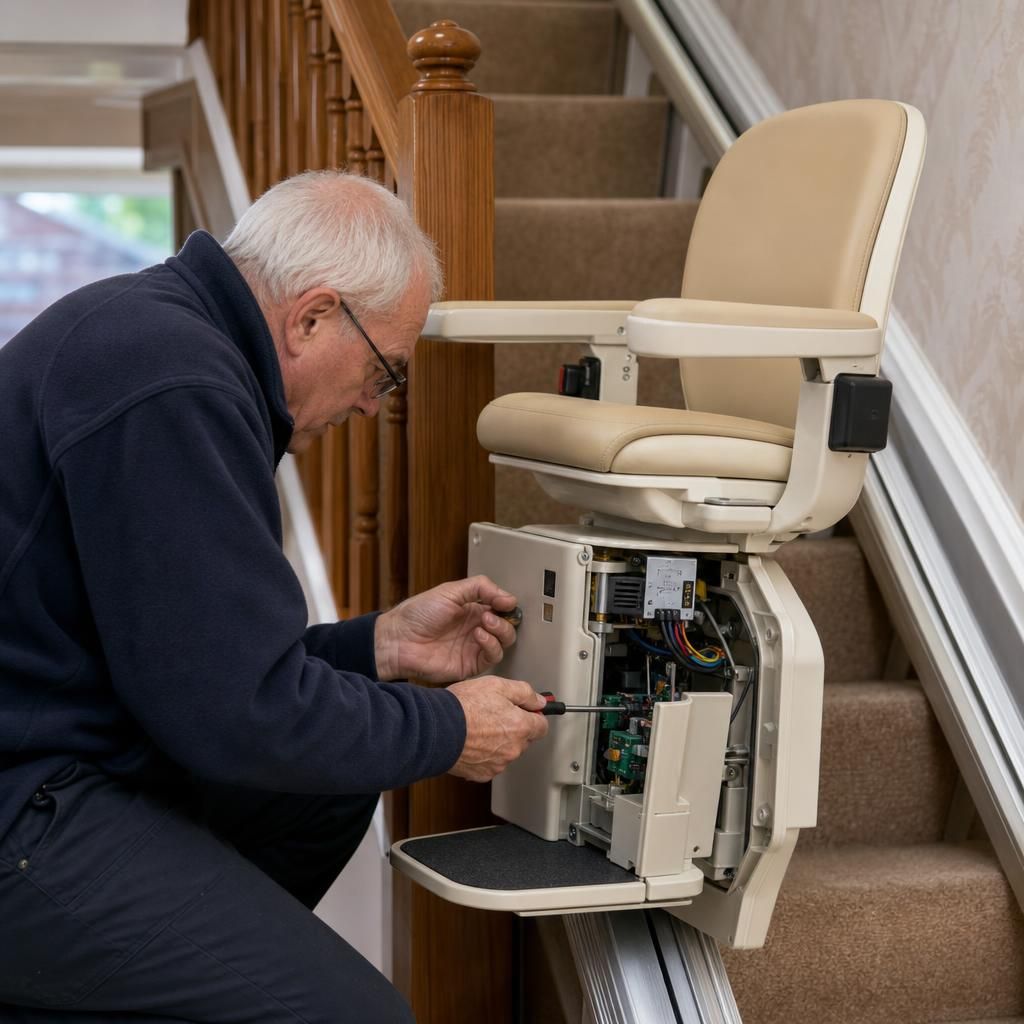
A Clear Fault Assessment
A professional inspection can establish why the stairlift has stopped, whether the issue affects the lift, controls, charging system or track, and which repair is appropriate.

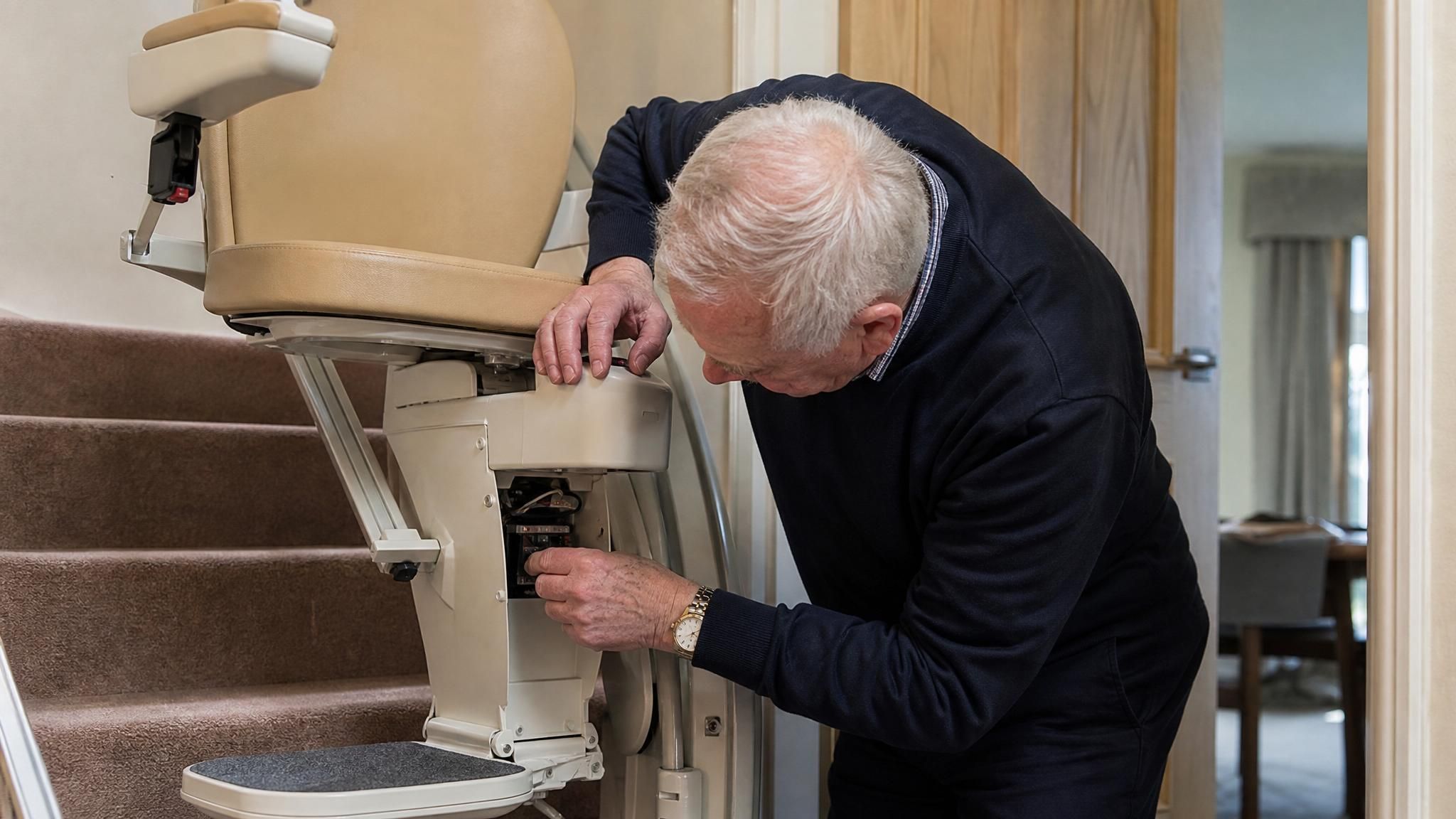
If your stairlift stops moving, stop using the controls and remain safely seated until it is assessed. Check the key, power supply and visible obstructions, then contact Independent Stairlifts for expert troubleshooting or repair support across the UK.
A professional inspection can establish why the stairlift has stopped, whether the issue affects the lift, controls, charging system or track, and which repair is appropriate.
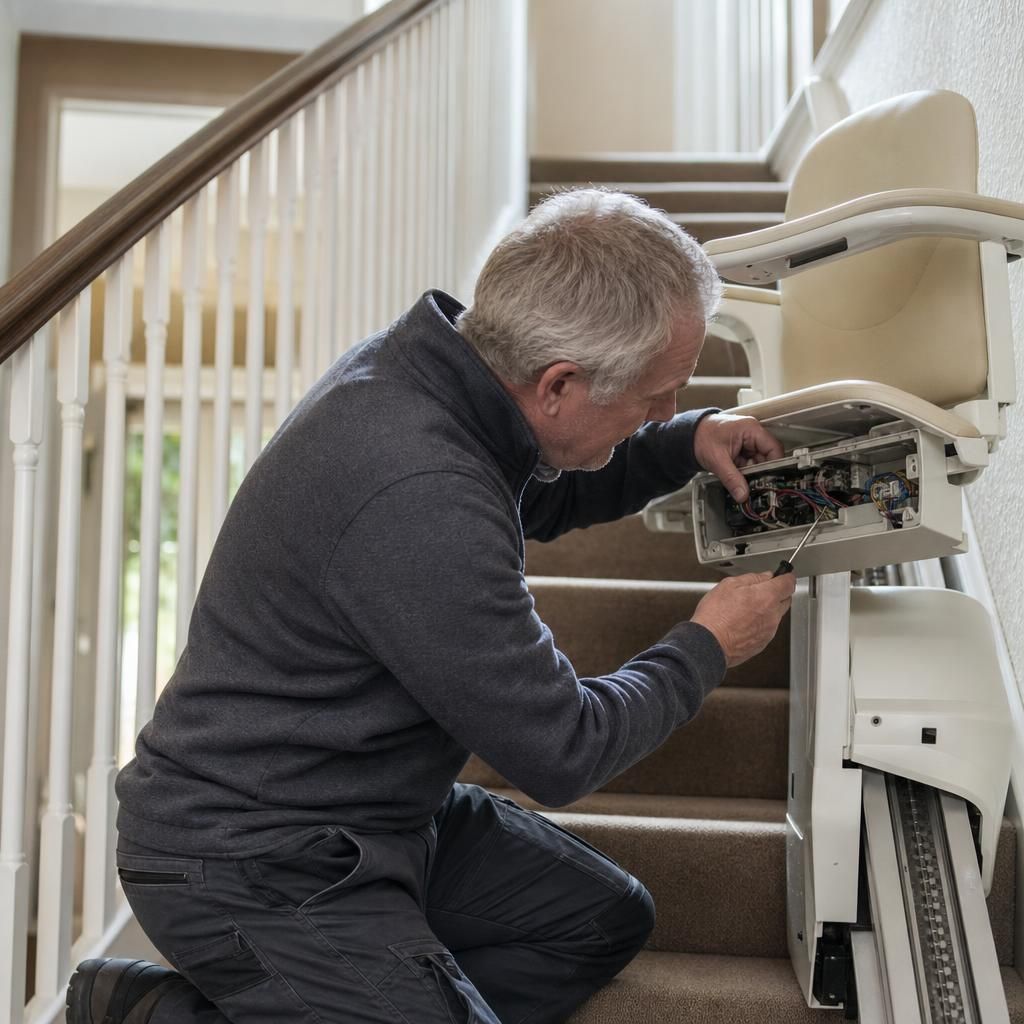
If the stairlift will not move, stay seated with the safety belt fastened where possible and avoid repeatedly operating the controls. Help can then be arranged without adding unnecessary risk.
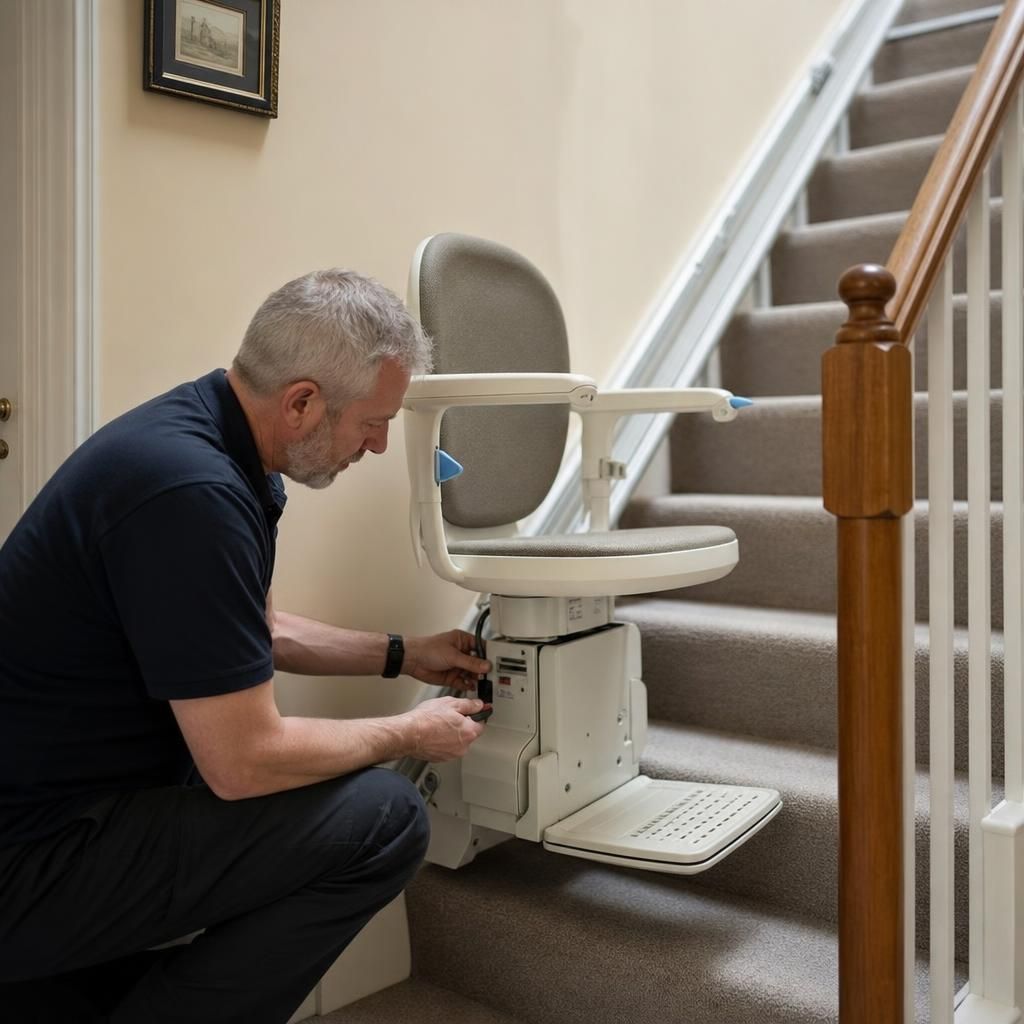
Hand controls, armrest switches and call controls can be examined for signs of damage, poor connection or a control fault, helping identify the correct solution.
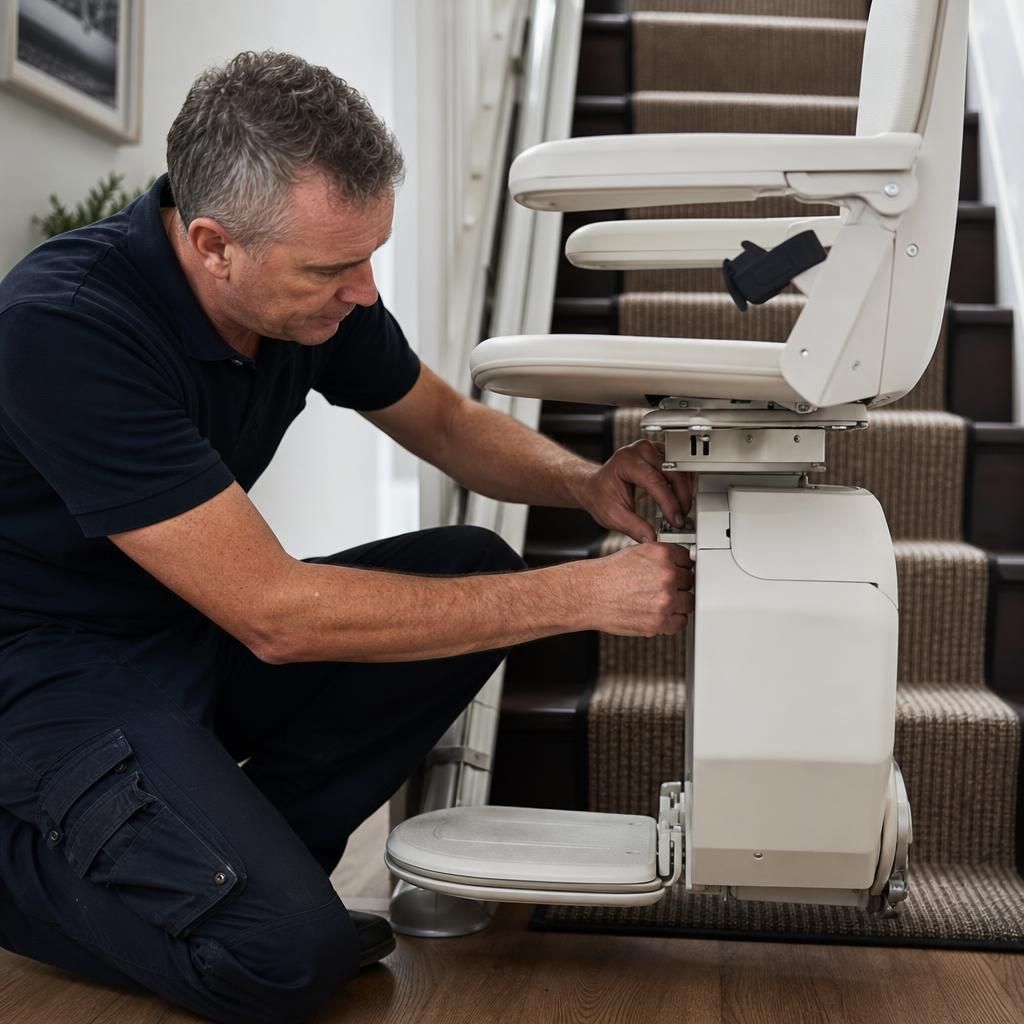
The drive system and stairlift track need careful assessment when movement stops unexpectedly. A trained technician can check the mechanism without forcing the seat or carriage along the stairs.
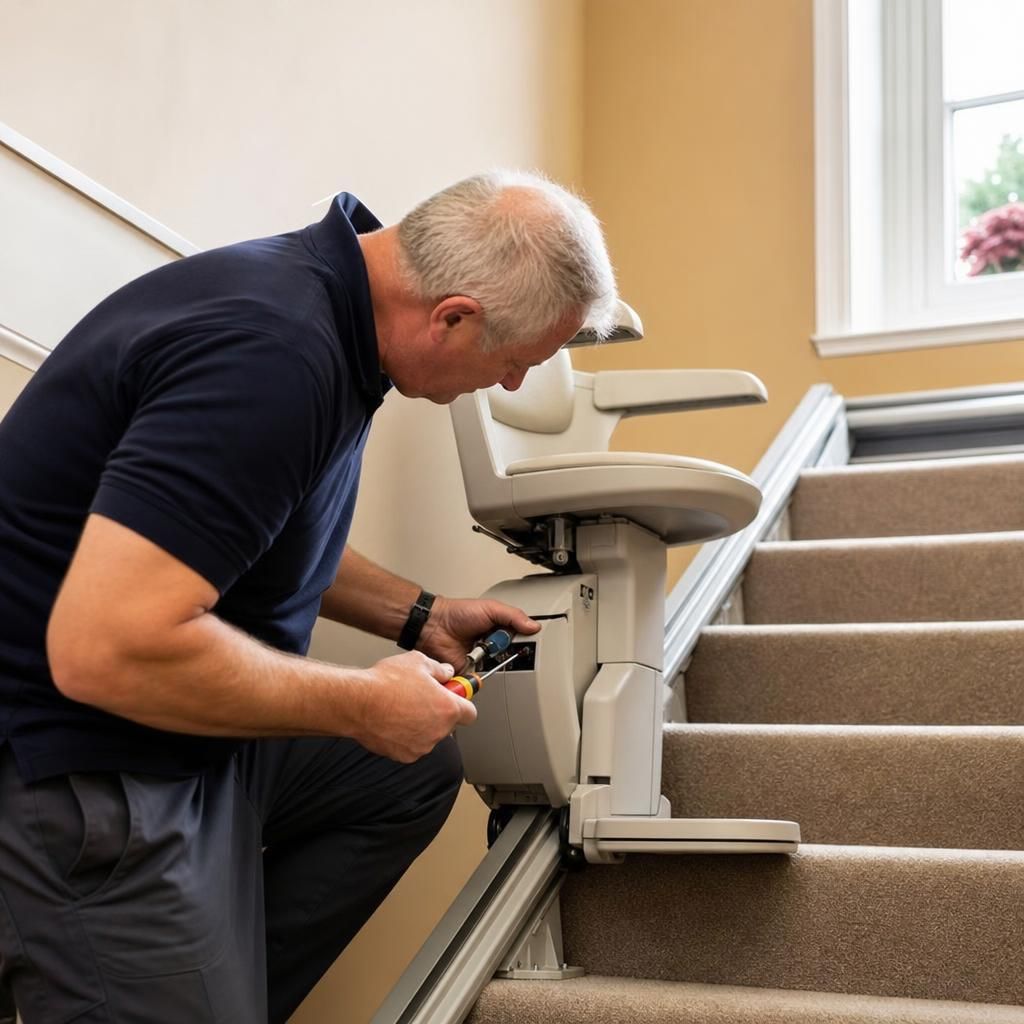
Once the cause has been identified and addressed, the stairlift can be tested through its normal operation so you can use it with confidence and clear guidance.
When a stairlift stops moving, safety checks come first. Our approach is to identify whether the cause is a power interruption, obstruction, control issue or mechanical fault without asking you to force the lift or attempt an unsafe repair. You can remain seated safely while we establish the next appropriate step.
We explain what has been found, what work is recommended and any costs before proceeding. If repair or replacement parts are needed, we will discuss the available options clearly, including any applicable warranty or guarantee terms, and arrange the appropriate support for your stairlift and home.
Stop using the controls and remain seated safely if the stairlift stops unexpectedly. Do not try to push the chair, bypass a safety feature or dismantle any part of the lift.
If you are on the stairs, keep your hands and feet clear of the track and wait for advice. If you can do so without reaching awkwardly, check that the key is inserted, the power switch is on and the lift is positioned correctly for charging. If it remains stationary, contact Independent Stairlifts so the fault can be assessed without risking injury or further damage.
Safety is the starting point for every stairlift assessment. We identify the fault before recommending any adjustment, repair or replacement part.
Our engineer will check relevant safety systems, controls, power connections, charging points and drive components as appropriate to the stairlift. We will not ask you to carry out unsafe electrical or mechanical work. If the lift cannot be used safely, we will explain the precautions to follow until the repair has been completed.
You should understand the recommended work and its cost before repair work proceeds. The exact price depends on the fault, the stairlift model and whether parts are required.
After assessing the stairlift, we will explain what has caused the problem, which repair options are suitable and whether any parts are needed. We will discuss the expected cost and any relevant terms before proceeding, so you can make an informed decision rather than authorising work without knowing what it involves.
A stopped stairlift does not always need a complete replacement. Where a component has failed, we assess whether a suitable replacement or repair is appropriate for the model and its condition.
We will explain the purpose of any replacement part and how it relates to the fault. If repair is not practical or the stairlift is no longer suitable for reliable use, we can discuss the available alternatives for your staircase and mobility needs. No option should be presented as necessary without explaining the reason for it.
Any applicable manufacturer warranty, installation cover or repair guarantee depends on the stairlift, the work carried out and the relevant terms. We will check the position rather than assume that every fault is covered.
When we assess the stairlift, tell us about any existing warranty documents or recent installation and repair work. We can explain whether the reported fault and proposed work fall within applicable cover, what exclusions may apply and which costs, if any, would remain your responsibility.
Check that the safety sensors are free from dust and debris as this can prevent movement. Ensure that battery units are fully charged and power switches are properly activated.
Ensure your stairlift's track is clear, check for any loose connections, and ensure the safety key is properly engaged. If problems persist, consulting a professional can provide targeted solutions.
Check that the stairlift seat and footrest are correctly aligned with the track, as misalignment may inhibit motion. Adjust as needed according to the user manual to restore functionality.
Ensure the power supply is functioning, and check the emergency stop button hasn’t been inadvertently engaged, as these can halt operation despite no clear track obstructions.
Yes, weak or depleted batteries can cause unexpected stoppages in stairlifts. Regularly check battery levels and ensure chargers are correctly plugged in to avoid disruptions in movement.
A stairlift that stops moving should not be forced or repeatedly operated. Remain seated safely and check only the key, power supply, charging position and any visible obstruction.
If it remains stationary, contact Independent Stairlifts for expert advice. Do not remove covers or attempt electrical or mechanical repairs; a qualified assessment is the safest next step.
Do not keep pressing the controls or try to force the stairlift to move.
If you are on the stairlift, remain seated with your seat belt fastened while help is arranged.
Only check that the stairlift is switched on and positioned correctly for charging.
Electrical and mechanical faults require assessment by a qualified stairlift engineer.
Call Independent Stairlifts for practical troubleshooting and repair support across the UK.
When a stairlift stops moving, a professional assessment can identify whether the problem involves power, controls, sensors, the track or drive mechanism. You can expect clear safety advice, practical troubleshooting, repair options and guidance on restoring reliable operation.
A clear assessment of the fault
A trained engineer will assess the stairlift and its operating environment to establish why it has stopped, rather than relying on guesswork or asking you to dismantle components.
Advice that protects you and the stairlift
You will receive practical guidance on what to do while the stairlift is out of use, including whether it should remain switched off until repair work is completed.
Repair where this is technically suitable
If the fault can be repaired safely, the engineer can work on the relevant electrical, control, sensor, track or drive components using suitable replacement parts.
An informed choice if repair is not practical
Where the stairlift is uneconomical or unsuitable to repair, you can discuss replacement or other appropriate options based on the stairlift, staircase and user’s needs.
Checks after the work is completed
The stairlift should be operated and checked after repair to confirm that the controls, safety sensors, charging system and movement are functioning correctly.
Help restoring everyday access
Once the issue has been resolved, you can receive guidance on normal operation and any sensible steps that may help reduce the risk of the same problem recurring.
Ensure the stairlift's power is switched on and check if the key switch is in the correct position. Verify all safety sensors are clear of obstructions and properly aligned.
Check for any blockages on the track and ensure the seat is fully locked in position. If power issues persist, ensure that the main power switch is on and the mains supply is functioning.
Turn the stairlift off at the main power switch, wait ten seconds, and then turn it back on to reset. If issues persist, consult the user manual or seek professional assistance.
A slower stairlift might indicate a low battery or motor issue. Check that the batteries are fully charged and examine the track for dirt or debris that could hinder movement.
Yes, a faulty remote can indeed prevent movement. Check the remote for battery issues or physical damage, and try operating the stairlift using the controls located on the unit itself.
If your stairlift has stopped moving, contact Independent Stairlifts for practical advice and a professional assessment. We can help identify the fault, explain repair options and arrange appropriate support, with nationwide coverage across the UK.
Contact Us