
How do outdoor wheelchair stairlifts withstand harsh weather conditions?
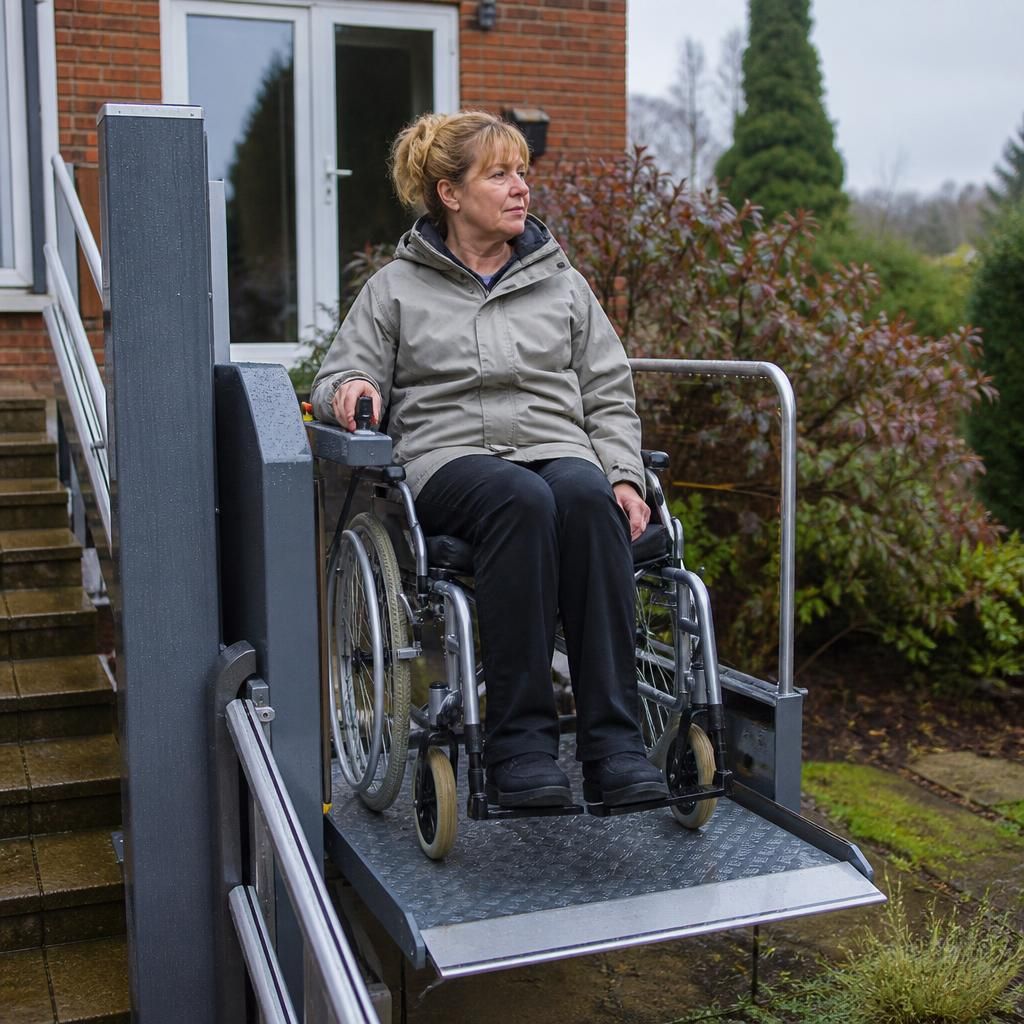
Outdoor wheelchair stairlifts are designed with weather-resistant components, protective covers and sealed controls to withstand rain, wind, sunlight and changing temperatures. Correct installation, effective drainage and regular maintenance help protect the lift from corrosion, moisture damage and debris, supporting safe, reliable operation throughout the year.
Outdoor wheelchair stairlifts withstand harsh weather through a combination of weather-resistant materials, sealed electrical components, protective covers and installation designed to manage water, debris and exposure. These measures help the lift operate safely in rain, wind, sunlight and changing temperatures, but they do not make it completely maintenance-free or suitable for use in every extreme condition.
Outdoor models are built differently from indoor equipment. Exposed parts are generally selected and finished to resist corrosion, while the electrical controls, switches and drive components are protected from direct water ingress. Depending on the model, this may include sealed control units, covered charging points, weather-resistant wiring and corrosion-resistant fixings. The exact level of protection varies, so the equipment should always be selected for its intended location and installed in accordance with the manufacturer’s instructions.
Protective covers are particularly important when the stairlift is not being used. A suitable cover helps shield the seat, platform, controls and other exposed surfaces from rain, frost, dust, leaves and ultraviolet light. It should be fitted securely without trapping moisture against the equipment. Covers must also be removed or positioned as instructed before operation, so they cannot obstruct the platform, seat, sensors or moving parts.
Rain is normally managed through a combination of sealed components and good drainage. During the site assessment, the installer should consider whether water runs down the stairs, collects on landings or falls directly onto the charging and control areas. Mounting positions, cable routes and drainage arrangements should prevent standing water and reduce the chance of moisture reaching sensitive components. A stairlift should not be installed where persistent flooding or uncontrolled water flow could affect its electrical or mechanical systems.
Wind can carry grit, leaves and other debris into the stairway and may place additional strain on covers or gates. Strong gusts can also make it more difficult to use a platform safely, particularly on exposed balconies, open staircases or steps beside a drop. The installation must therefore be assessed for the local exposure and the stairlift’s platform, safety arms and restraint systems must be used as instructed. If conditions are severe enough to affect balance, visibility or the stability of a wheelchair, postpone the journey until it is safe.
Sunlight and temperature changes can affect outdoor equipment over time. UV-resistant finishes and suitable plastics help reduce fading, brittleness and deterioration, while outdoor-rated lubricants and electrical components are chosen to cope with the expected temperature range. Cold weather can make grease less fluid, reduce battery performance and cause ice to form on the track, platform or steps. Snow and ice should be cleared before use, and no attempt should be made to force a frozen mechanism.
In particularly cold conditions, check that:
- the track, platform, seat and footrest are free from ice, snow and accumulated water;
- the safety edges, sensors and interlocks are not obstructed;
- the lift has adequate charge and is correctly parked on its charging point where applicable; and
- the platform can unfold and travel without contacting ice, debris or nearby objects.
Salt and grit used on external paths can accelerate corrosion if they remain on metalwork or enter moving parts. Rinsing exposed surfaces with clean water, where the manufacturer’s instructions permit it, followed by careful drying can remove residue. Do not spray water directly into control boxes, charging points, motors or other electrical components, and do not apply household cleaners or lubricants unless they are approved for the lift.
Correct installation is as important as the equipment’s weather-resistant design. The fixings must be suitable for the structure and external environment, the track must be aligned correctly, and the electrical supply must be protected appropriately. The installer should also check clearances, drainage, access to charging points and the position of any cover. Poor alignment, loose fixings or water collecting around the base can cause faults even when the stairlift itself is designed for outdoor use.
Regular checks help identify weather-related problems before they affect reliability. Look for rust, damaged paint or plastic, cracked covers, loose fixings, water marks, frayed cables and unusual noises during travel. Keep the track, platform and steps clear of leaves, mud, grit and other debris. Controls and safety sensors should be kept clean and tested as described in the operating instructions. If the lift stops unexpectedly, shows a warning or develops a change in movement, stop using it and contact the service team rather than attempting an electrical or mechanical repair yourself.
Outdoor wheelchair stairlifts are weather-resistant, not weather-proof in the sense of being unaffected by every condition. They may need to be taken out of service temporarily during flooding, severe storms, heavy ice or other conditions identified in the manufacturer’s guidance. A professional assessment can establish whether the proposed staircase is sufficiently sheltered and whether additional protection, drainage or a different installation arrangement is needed.
For reliable year-round use, keep the lift covered when appropriate, follow the operating and cleaning instructions, maintain clear drainage, arrange servicing at the recommended intervals and report deterioration promptly. These steps protect the equipment from moisture and corrosion while ensuring that safety systems continue to work as intended.
Outdoor wheelchair stairlifts withstand harsh weather through sealed electrical components, corrosion-resistant finishes and protective covers. These features help protect the lift from rain, frost, sunlight, dust and leaves while it is operating or parked.
Correct installation is equally important. The track, charging point and controls should be positioned to avoid standing water, with suitable fixings and drainage in place. Keep the platform and track clear of snow, ice and debris, and follow the manufacturer’s guidance for cleaning and servicing. Outdoor equipment is weather-resistant rather than completely weather-proof, so use may need to be paused during flooding, severe storms or heavy ice.
Discuss Your Outdoor Stairlift Requirements
Discuss your outdoor wheelchair stairlift requirements with our team so we can assess your staircase, exposure to the weather and any additional protection needed.