
Are outdoor wheelchair stairlifts weather-resistant and durable enough for long-term use?
Yes, outdoor wheelchair stairlifts are designed to withstand rain, sunlight, cold and changing temperatures, using weather-resistant materials, protective covers and sealed electrical components. They can provide reliable long-term access when correctly installed, used within the manufacturer’s conditions and maintained regularly, although no outdoor equipment is completely weatherproof.
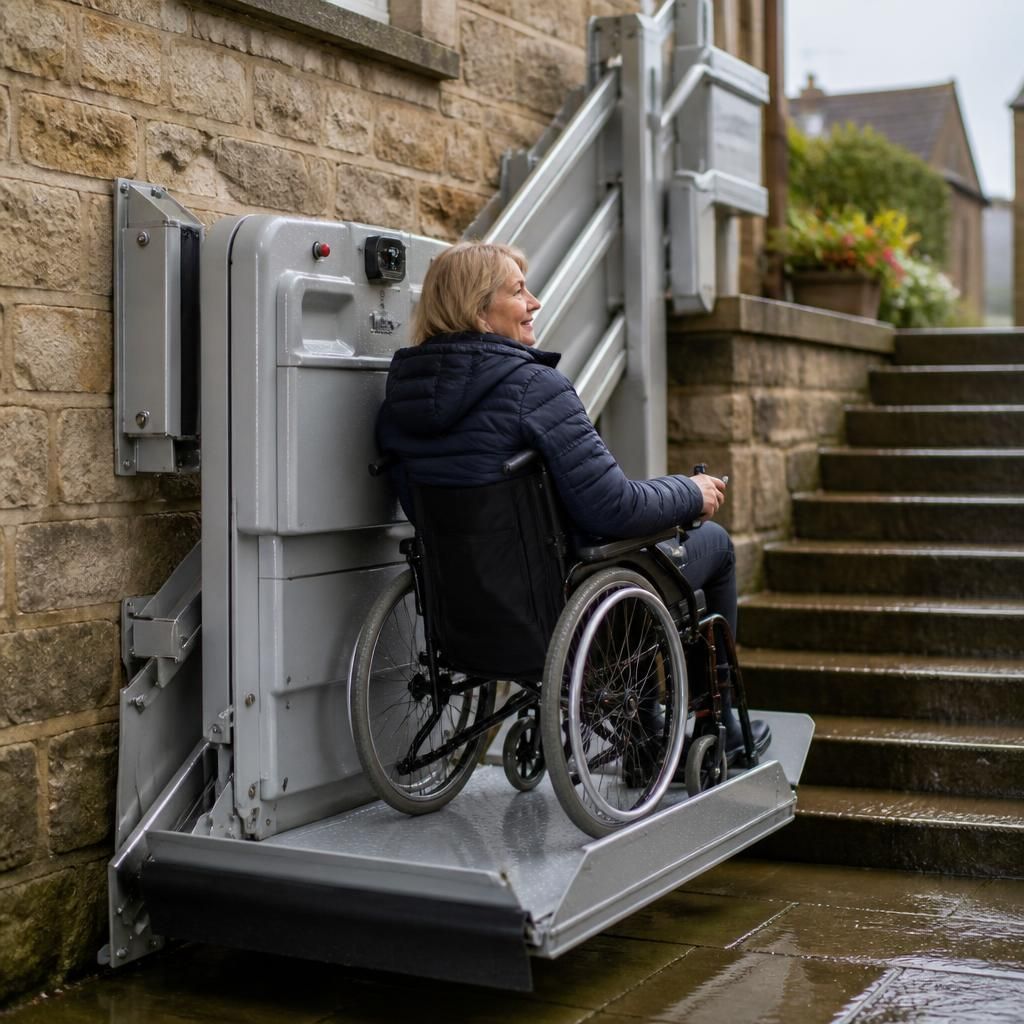
Outdoor wheelchair stairlifts are designed for long-term external use and can withstand rain, sunlight, cold weather and changing temperatures when they are correctly specified, installed and maintained. They are weather-resistant rather than completely weatherproof, so their durability depends on the equipment’s construction, the level of exposure and how well water, dirt, frost and corrosion are managed.
Suitable outdoor models use materials and components selected for external conditions. These may include corrosion-resistant metals, durable finishes, UV-resistant plastics, sealed electrical connections and protective housings for the drive and control systems. The platform, seat or other support equipment should also be designed to remain stable and safe when exposed to damp conditions, rather than relying on indoor components adapted for occasional outdoor use.
Weather resistance does not mean that every part can be left permanently exposed without protection. Driving rain, standing water, salt-laden air, mud, fallen leaves and prolonged sunlight can gradually affect metalwork, moving parts, covers and electrical connections. Snow and ice may also interfere with the platform, rails, controls or safety edges. A suitable installation therefore needs effective drainage and should avoid locations where water collects or runs directly over sensitive components.
Durability is also affected by the staircase and its surroundings. A secure fixing surface, correctly aligned rail or track, suitable electrical supply and adequate clearance help prevent unnecessary strain on the lift. On exposed staircases, the installer may recommend a weatherproof cover, shelter or other protection when the equipment is parked. These measures reduce direct exposure to rain and sunlight and can help keep the platform or seat ready for use.
Before installation, the equipment should be assessed against the conditions at the property, including:
- Whether the staircase is fully exposed or partly sheltered.
- How much wind-driven rain and direct sunlight the lift will receive.
- Whether the area is close to the coast or exposed to salt air.
- How frost, snow, leaves and mud are likely to affect the track and platform.
- Whether the parking position allows water to drain away properly.
- Whether the proposed model is approved by its manufacturer for the intended outdoor location.
Regular care remains important even with a robust outdoor model. Keep the track, platform and access points clear of leaves, grit, ice and other debris, and wipe away excessive moisture where appropriate. Check that covers are secure and that drainage openings have not become blocked. Any unusual noise, stiffness, vibration, corrosion, electrical fault or change in braking should be reported rather than ignored. Servicing should be carried out in line with the manufacturer’s instructions and the arrangements agreed at installation.
Users should not hose down the lift, apply unapproved cleaning products or attempt to cover vents, sensors or moving parts. A cover must be suitable for the specific equipment and fitted so that it does not trap moisture or interfere with operation. The lift should not be used when ice, flooding or another weather-related hazard prevents the platform, controls or access route from operating safely.
With the right specification and installation, an outdoor wheelchair stairlift can provide dependable access over many years. Its expected service life cannot be guaranteed from weather resistance alone: the frequency of use, loading, exposure, maintenance and local environment all matter. During an assessment, we can review the staircase and surrounding conditions, explain the protection and maintenance required, and confirm whether the proposed solution is appropriate for year-round outdoor use.
Outdoor wheelchair stairlifts are weather-resistant, not completely weatherproof. Their sealed electrical components, corrosion-resistant materials and protective housings help them cope with rain, sunlight and changing temperatures, but prolonged exposure can still affect moving parts, covers, fixings and controls.
Durability depends on the installation as well as the lift itself. A suitable parking position, effective drainage and protection from standing water, ice, debris and salt air can reduce wear. Keeping the track and platform clear, checking covers and reporting unusual noise, stiffness or corrosion promptly will also help maintain safe, reliable operation over the long term.
Arrange an outdoor stairlift assessment
Arrange an outdoor stairlift assessment so we can review your staircase, exposure to weather and access requirements. We can then explain suitable equipment, protective measures and ongoing care for reliable long-term use.