
How often should stairlifts for seniors be serviced to ensure safe operation?
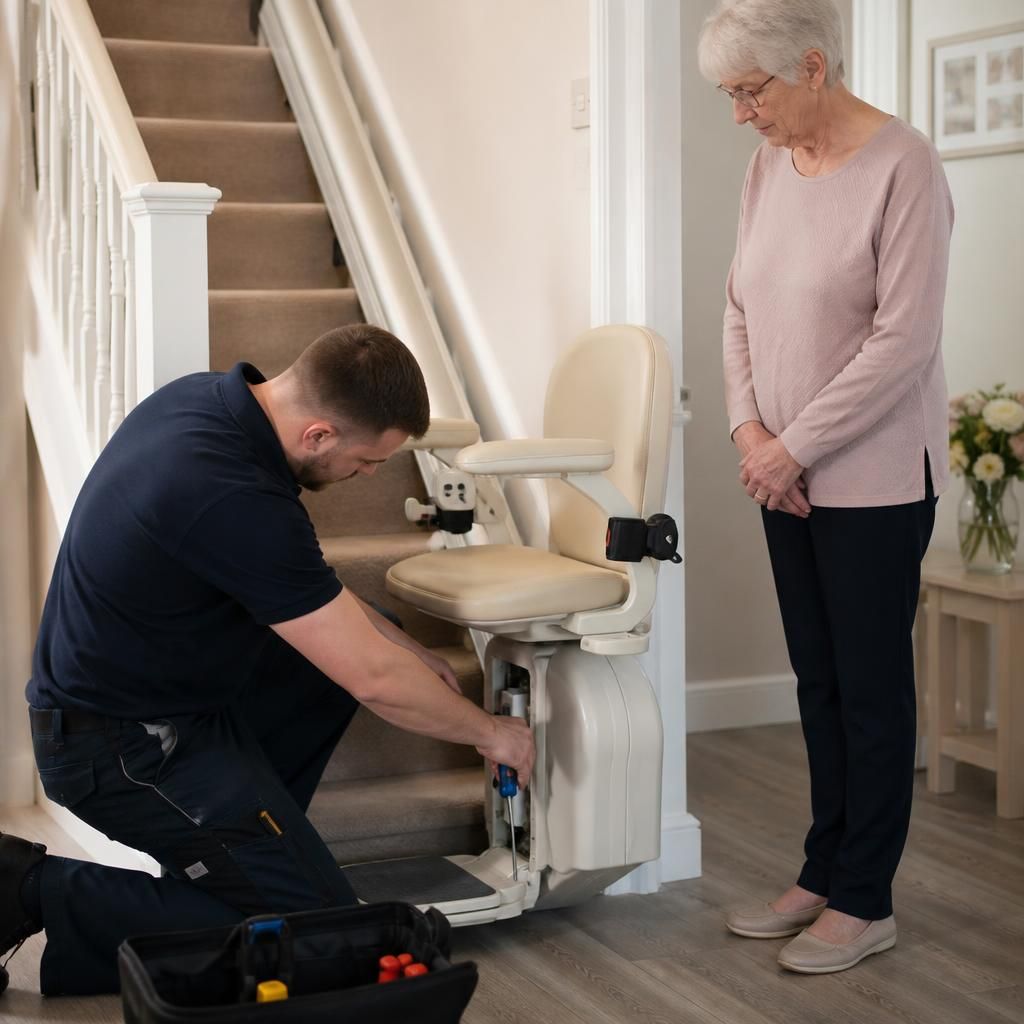
Stairlifts for seniors should generally be professionally serviced at least once a year, following the manufacturer’s guidance and warranty conditions. Arrange an earlier inspection if the lift is used heavily, develops a fault, makes unusual noises, or shows changes in speed, movement or braking.
Stairlifts for seniors should generally be professionally serviced at least once a year, in line with the manufacturer’s instructions and any warranty conditions. An earlier inspection may be needed if the stairlift is used heavily, has developed a fault, makes unusual noises, or shows changes in speed, movement, charging or braking.
Annual servicing is a sensible minimum rather than a substitute for reporting problems as soon as they appear. A stairlift is a powered mobility device carrying a person on a staircase, so small changes in performance should not be ignored. The service interval may vary according to the model, its age, the environment and how frequently it is used.
There is not one universal servicing interval that applies to every stairlift. The installation paperwork and user manual should identify the manufacturer’s recommendations. Keeping to this schedule can also help maintain warranty cover, particularly where the warranty requires servicing by a suitably qualified engineer. If you are unsure when your next service is due, check the service label or contact Independent Stairlifts for guidance based on your model and installation history.
During a professional service, an engineer will normally inspect and test the main safety and operating components. This can include:
- the seat, armrests, footrest, seat belt and swivel or folding mechanisms;
- the track, fixings and any joints or charging points;
- the motor, drive system, gears and braking performance;
- the batteries, charger and electrical connections;
- the controls, remote controls, sensors and safety switches;
- the stairlift’s movement, stopping position and operation on the full length of the staircase; and
- signs of wear, loose parts, obstruction or damage that could affect safe use.
The engineer may clean, adjust or lubricate appropriate parts and will explain whether any component needs repair or replacement. Servicing is preventive maintenance; it does not necessarily include every repair or replacement part. If a fault is found, ask what is required, whether the stairlift can continue to be used safely and whether a further repair visit is needed.
Arrange an inspection before the next scheduled service if the lift:
- starts, stops or travels less smoothly than usual;
- moves faster or slower, hesitates, judders or fails to stop correctly;
- makes new clicking, grinding, squeaking or other unusual sounds;
- does not hold its charge, repeatedly reports a low battery or stops away from a charging point;
- has a seat belt, swivel seat, footrest, armrest or control that is loose or difficult to operate;
- shows a warning light or fault code; or
- has been affected by an impact, water ingress, a power-related issue or any other damage.
Do not continue using a stairlift that behaves unpredictably, will not stop properly, has damaged safety equipment or presents an electrical concern. Switch it off if the instructions allow this, keep the staircase clear and contact the service provider. Do not attempt to remove covers, adjust the drive system or bypass a safety switch yourself.
Between services, the user or carer can carry out simple visual and operational checks without dismantling the lift. Keep the track and charging points clear, remove items that could catch in the footrest or carriage, check that the seat belt and controls appear intact, and make sure the lift is parked where it can charge. Follow the manufacturer’s instructions for cleaning. Avoid using excessive water or household cleaning products around electrical components.
Usage can affect how often maintenance is appropriate. A stairlift used several times each day, shared by more than one person, installed outdoors or exposed to dust, damp or temperature changes may need closer monitoring than a lightly used indoor lift. Older stairlifts and reconditioned models should also be serviced according to their specific model guidance rather than treated as maintenance-free. A reconditioned stairlift should have its servicing and repair history recorded wherever that information is available.
Keep a record of service visits, reported faults, repairs and replaced parts. This helps engineers identify recurring issues and gives carers or family members a clear view of the lift’s condition. It is particularly useful where an elderly person receives support from several people or where the stairlift is covered by a service agreement.
Regular servicing cannot prevent every fault, and it should not delay professional advice when a safety concern arises. The safest approach is to follow the manufacturer’s schedule, maintain at least annual professional servicing, carry out basic checks between visits and report any change in performance promptly.
Annual professional servicing is the usual minimum for stairlifts for seniors, but an inspection should be arranged sooner if the lift’s performance changes. Unusual noises, juddering, hesitation, incorrect stopping, charging problems or a warning light can indicate a fault affecting safe operation.
Between services, the user or carer can carry out simple checks without removing covers or adjusting components:
- Keep the track, footrest and charging points clear of obstructions.
- Check that the seat belt, armrests, controls and footrest appear secure.
- Park the stairlift correctly so its batteries can charge.
- Report any change in movement, braking, battery performance or unusual sounds promptly.
Do not continue using a stairlift that will not stop correctly, behaves unpredictably or has damaged safety equipment. Switch it off where the manufacturer’s instructions allow and contact a qualified service engineer.
Arrange Your Stairlift Service or Safety Check
Contact Independent Stairlifts to arrange your stairlift’s annual service or request a safety check sooner if you have noticed unusual noises, changes in movement, charging problems or any other fault.