
How do I know if a stairlift is the right investment for my home?
A stairlift is usually a worthwhile investment if using the stairs has become painful, unsafe or impractical, and you want to remain independent at home. The right choice depends on your mobility needs, staircase layout, expected length of use, total installation and servicing costs, and whether alternatives would provide a suitable solution.
A stairlift is generally the right investment when difficulty using the stairs is limiting your independence, creating a risk of falls, or making you consider moving home. The decision should be based on more than the purchase price: consider your current and likely future mobility, the layout of your staircase, how long you expect to use the lift, installation and servicing costs, and whether another solution would meet your needs safely.
Start with the practical problem you need to solve. A stairlift may be appropriate if you are avoiding the upper floor, relying on another person for the stairs, becoming unsteady, or experiencing pain, breathlessness or fatigue when climbing. It can also be useful if you can manage the stairs now but your condition is progressive or recovery from an operation is expected to affect your mobility. The aim is not simply to make the stairs easier; it is to allow you to move between floors safely and continue using the parts of your home that matter to you.
Think about how often you use the stairs and what you use each floor for. If your bedroom or bathroom is upstairs, access may be an everyday necessity. If you mainly use one floor, a stairlift may still be worthwhile if it allows you to keep your preferred bedroom, access storage, or avoid the disruption and cost of moving. A lift can also reduce the need to carry items on the stairs, although you should never place loose objects on the seat, footrest or track while travelling.
Consider your expected length of use. A stairlift is more likely to represent good value when you expect to need reliable access for an extended period. However, it does not have to be a long-term purchase to be useful. Temporary mobility limitations, such as recovery after surgery, may justify looking at a reconditioned model or asking whether a rental or other short-term arrangement is available. The most suitable option depends on the staircase, the equipment available and the terms offered, so compare the total cost rather than focusing only on the initial payment.
If your needs may change, discuss this before choosing a model. A standard seat may be suitable if you can sit and stand independently, while powered swivel, adjustable seat or powered footrest options may help if you have reduced strength or balance. Someone who cannot bend their knees comfortably may need a different seating position, and a person who uses a wheelchair may need to consider how they will transfer at the top and bottom of the stairs. A stairlift is not a substitute for a suitable transfer method, so these details should be assessed in the home.
The staircase itself affects both suitability and cost. A straight stairlift is designed for a staircase without bends, intermediate landings or changes of direction. A curved stairlift is made to follow one or more bends, turns or landings and normally requires a rail designed for that specific staircase. Narrow stairs, unusual angles, doorways, radiator positions and limited space at the top or bottom may influence the design. An outdoor stairlift requires equipment suitable for exposure to weather and may need additional consideration around drainage, power and security.
A professional home assessment is the most reliable way to establish whether a stairlift will fit safely and comfortably. During an assessment, the installer should consider the stair geometry, available landing space, where you can sit and stand safely, access to power, the position of doors and the needs of anyone else using the stairs. You should also be able to discuss controls, charging points, emergency operation and what happens during a power cut. Measurements and photographs may be required for a bespoke curved installation.
Calculate the full cost of ownership. Ask for a clear explanation of the price and what it includes. Depending on the model and installation, costs may include the stairlift, bespoke or standard rail, fitting, delivery, removal of an old lift, alterations to surrounding items and any optional features. You should also ask about the cost of servicing, replacement batteries, call-outs outside a warranty period and removal if the stairlift is no longer required.
The cheapest initial quotation is not necessarily the lowest-cost option over time. A reconditioned stairlift may reduce the upfront cost, but check what inspection, refurbishment, warranty and aftercare are provided. A new stairlift may offer the latest configuration and a longer period of manufacturer support, although suitability and dependable installation remain more important than choosing new equipment automatically. Ask for the warranty terms in writing, including whether labour and parts are covered and how to request assistance.
Some people may qualify for VAT relief on mobility equipment where the relevant disability and personal-use conditions are met. The rules depend on individual circumstances and the type of supply, so ask the installer to explain whether relief may apply rather than assuming it will. Local authority support, charitable funding or a Disabled Facilities Grant may also be relevant in some cases, but eligibility and application processes vary. Funding should be checked early because an assessment or approval may be required before work begins.
Compare a stairlift with realistic alternatives. A stairlift may be unnecessary if a small change, such as a second handrail, improved lighting, non-slip surfaces or a change in footwear, resolves the difficulty safely. These measures will not be sufficient for everyone, particularly where balance, strength or pain is significantly affected. Other options may include moving essential facilities to one floor, using a through-floor lift, adapting the bathroom or considering a different home. Each alternative has its own space, building and cost implications, and should be judged against how safely and independently you can use it.
A stairlift is often less disruptive than major building work or moving home. Most domestic installations are secured to the stairs rather than the wall, so the surrounding interior is usually affected very little. There may be small fixing points, marks from an earlier installation or minor adjustments to skirting boards, depending on the staircase and equipment. Ask how the lift will be fixed and whether it can be removed and the area made good later. A stairlift may be removable if your circumstances change, but it should not be treated as an investment that will necessarily increase the value of your property.
Include the needs of other household members. Check that people can still pass the parked lift safely where the staircase is shared. Consider whether doors can open fully, whether the seat and controls are comfortable for the intended user, and whether children or visitors could operate the equipment without supervision. If more than one person may use the lift, discuss the range of body sizes, transfer abilities and control preferences before selecting the model.
Before committing, ask these practical questions:
- Will the proposed lift fit the staircase and leave suitable space at the top and bottom?
- Can the intended user get on and off safely, including on a landing or near a doorway?
- What is included in the quoted price, and are there any likely additional installation costs?
- Would a new, reconditioned or short-term option be most appropriate for the expected period of use?
- What warranty, servicing and emergency support are provided?
- What happens if the user’s mobility or seating requirements change?
- Can the lift be removed later, and what costs or remedial work might be involved?
The clearest indication that a stairlift is a sensible investment is that it solves a specific access problem safely and comfortably at a cost you can manage. If you are uncertain, a home assessment allows the staircase and your mobility needs to be considered together. It also gives you the information needed to compare a stairlift with alternatives, understand the complete cost and choose equipment that remains practical for everyday use.
A home assessment is the most reliable way to establish whether a stairlift is a suitable investment for your property and your mobility needs. It considers the staircase layout, available space, safe transfer points, seating position, controls and the way you use each floor.
The assessment should also clarify whether you need a straight, curved or outdoor stairlift, what installation involves and whether features such as a powered swivel seat or footrest would be useful. Ask for a full explanation of the quotation, including fitting, warranty, servicing and any potential removal costs, so you can compare the stairlift with practical alternatives before making a decision.
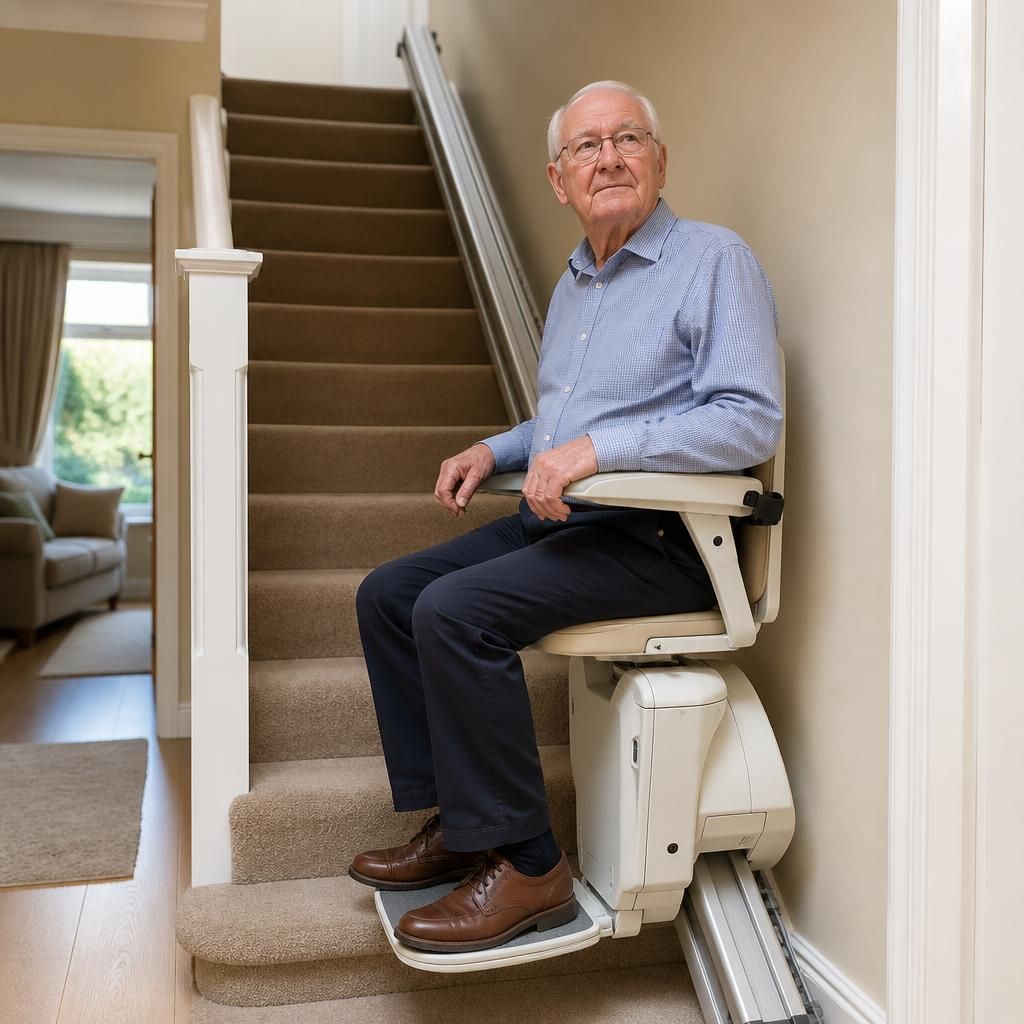
Arrange Your Stairlift Home Assessment
Arrange a home assessment to review your staircase, mobility needs and the most suitable stairlift options. We can also explain the installation process, quotation and ongoing support before you decide.