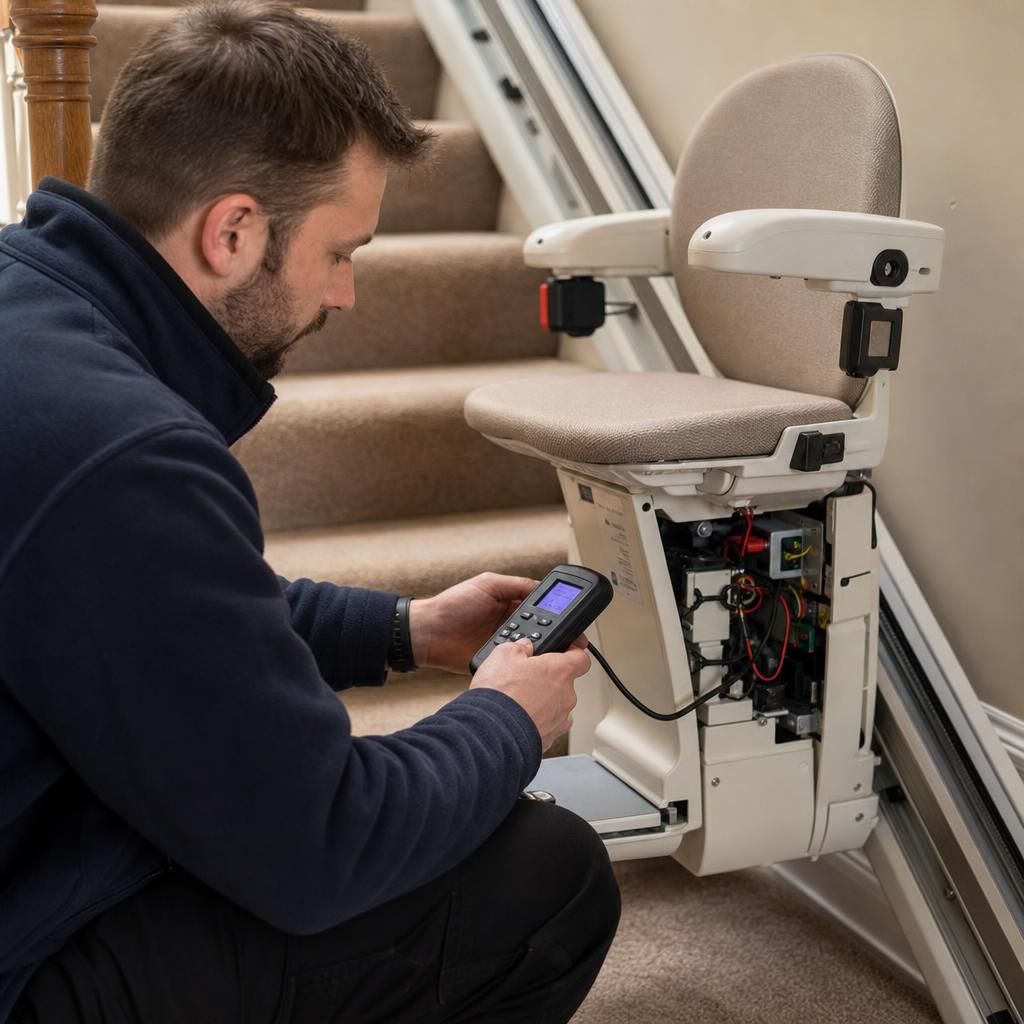
Identify the Code Before Resetting
Record the warning light, display message or beeping pattern and compare it with the stairlift handbook. Codes differ between models, so identifying the exact indicator is the safest starting point for diagnosis.

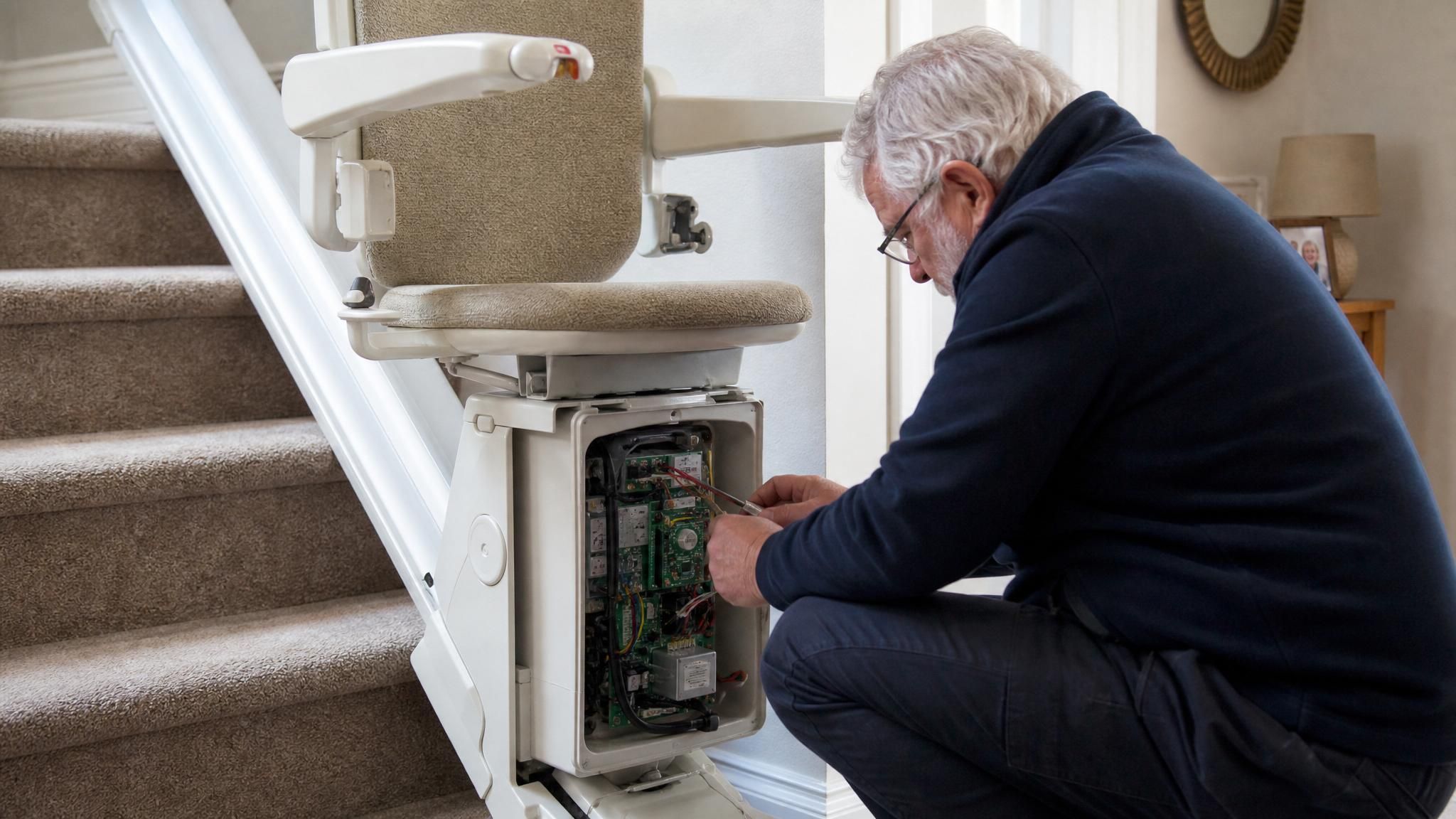
Stairlift error codes and diagnostic indicators identify faults such as low battery power, charging problems, safety-edge activation or a track obstruction. Learn what common warnings mean, which safe checks to make, and when professional assistance is required.
Record the warning light, display message or beeping pattern and compare it with the stairlift handbook. Codes differ between models, so identifying the exact indicator is the safest starting point for diagnosis.
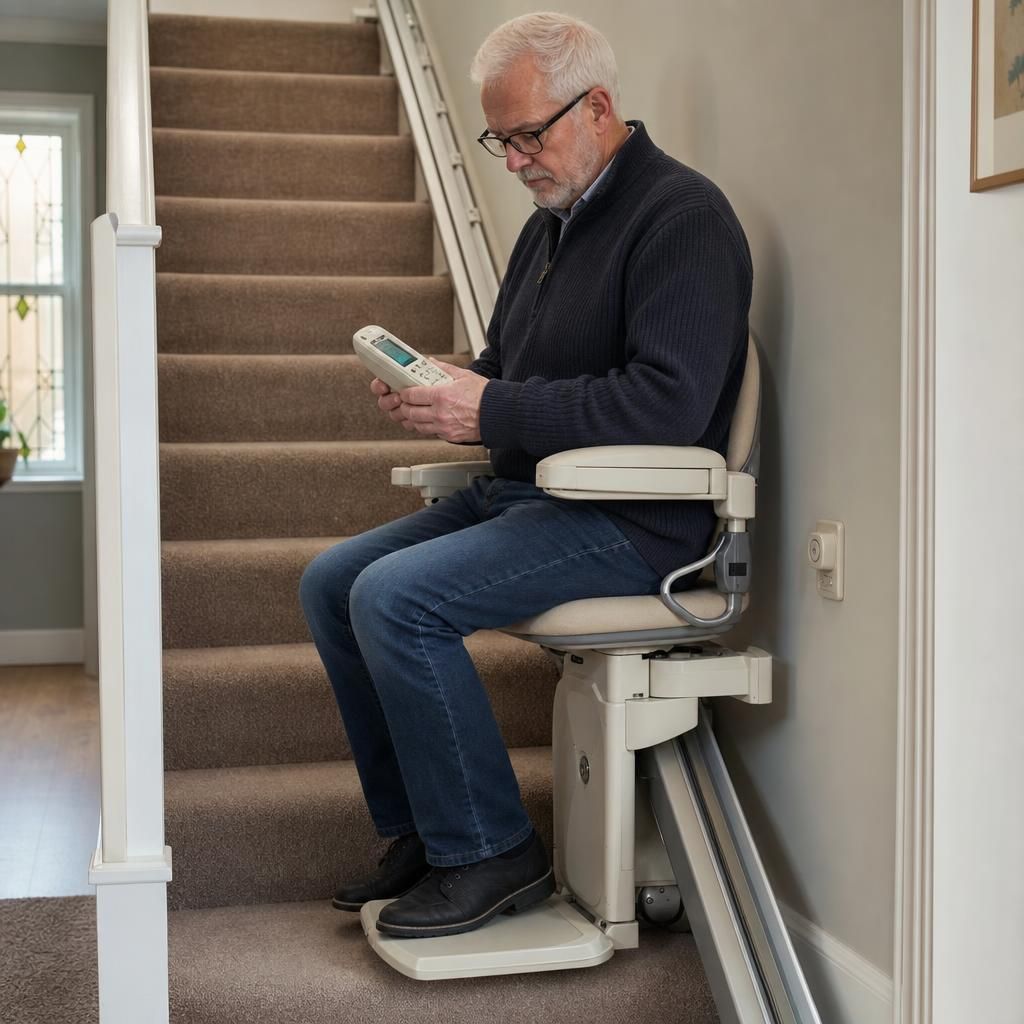
A stairlift may display a battery or charging warning if it has not reached its charging point correctly. Park it fully on the designated contact point and check that the charger is switched on, without interfering with electrical connections.
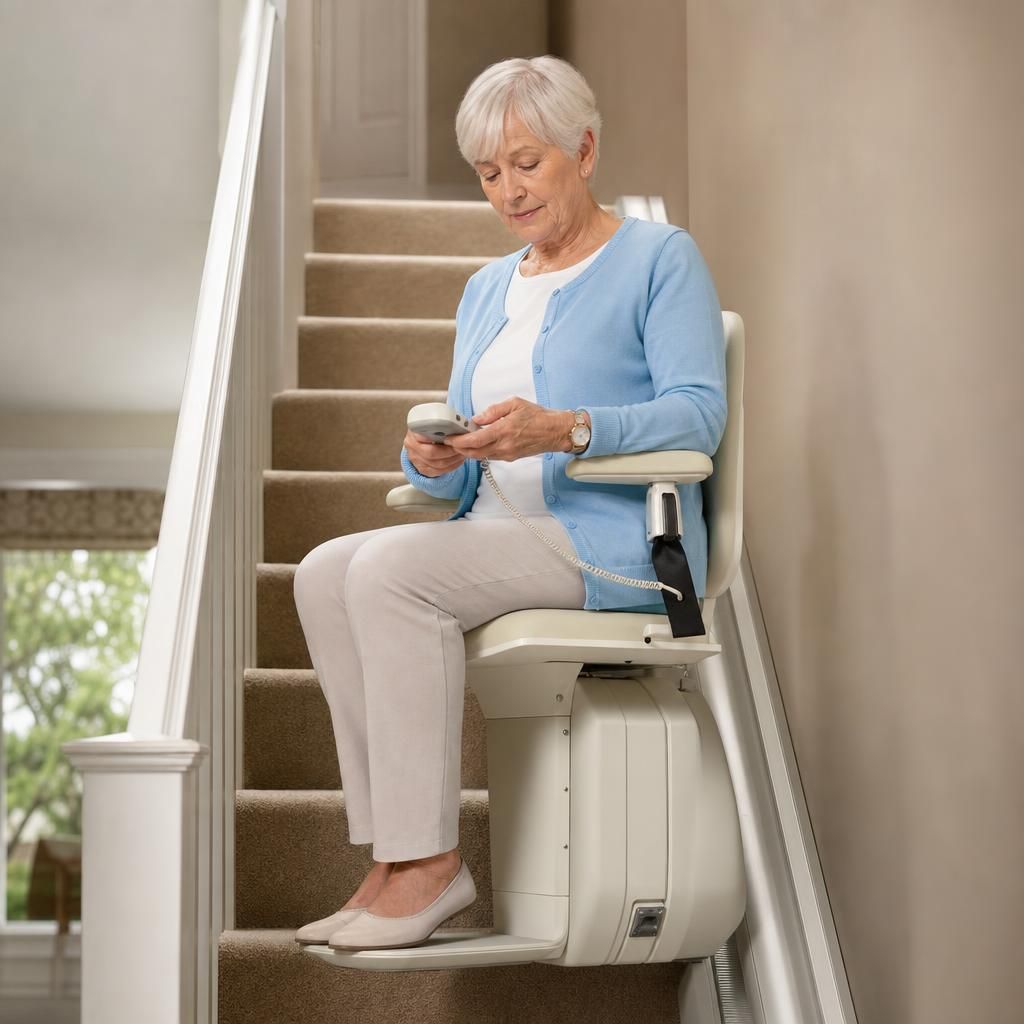
Look along the rail, around the carriage and beneath the footrest for objects that could activate a safety sensor. Remove only loose, accessible items, and do not reach into moving parts or dismantle any covers.
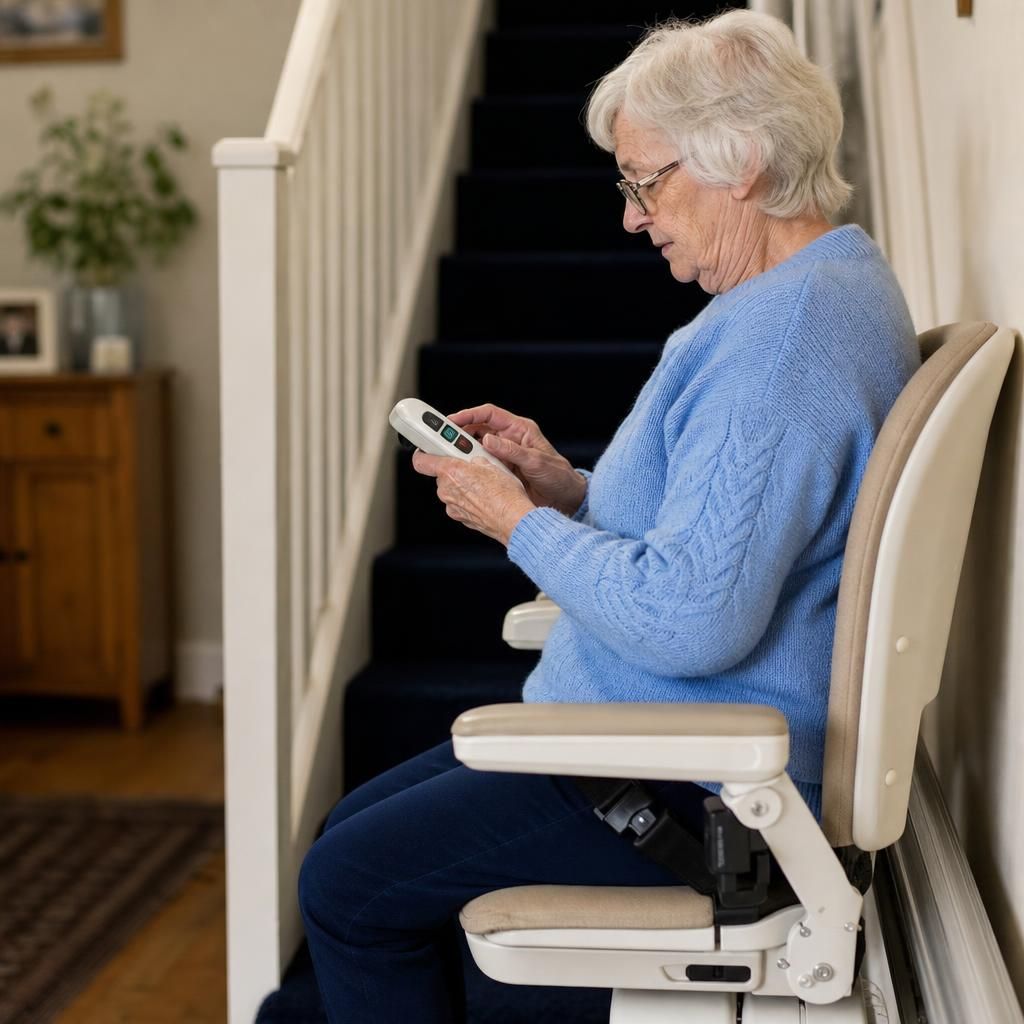
A stairlift can stop if the seat, armrest, footrest or safety edge is not in its expected position. Check that accessible controls are fully released and correctly positioned, then follow the handbook's guidance before attempting a restart.
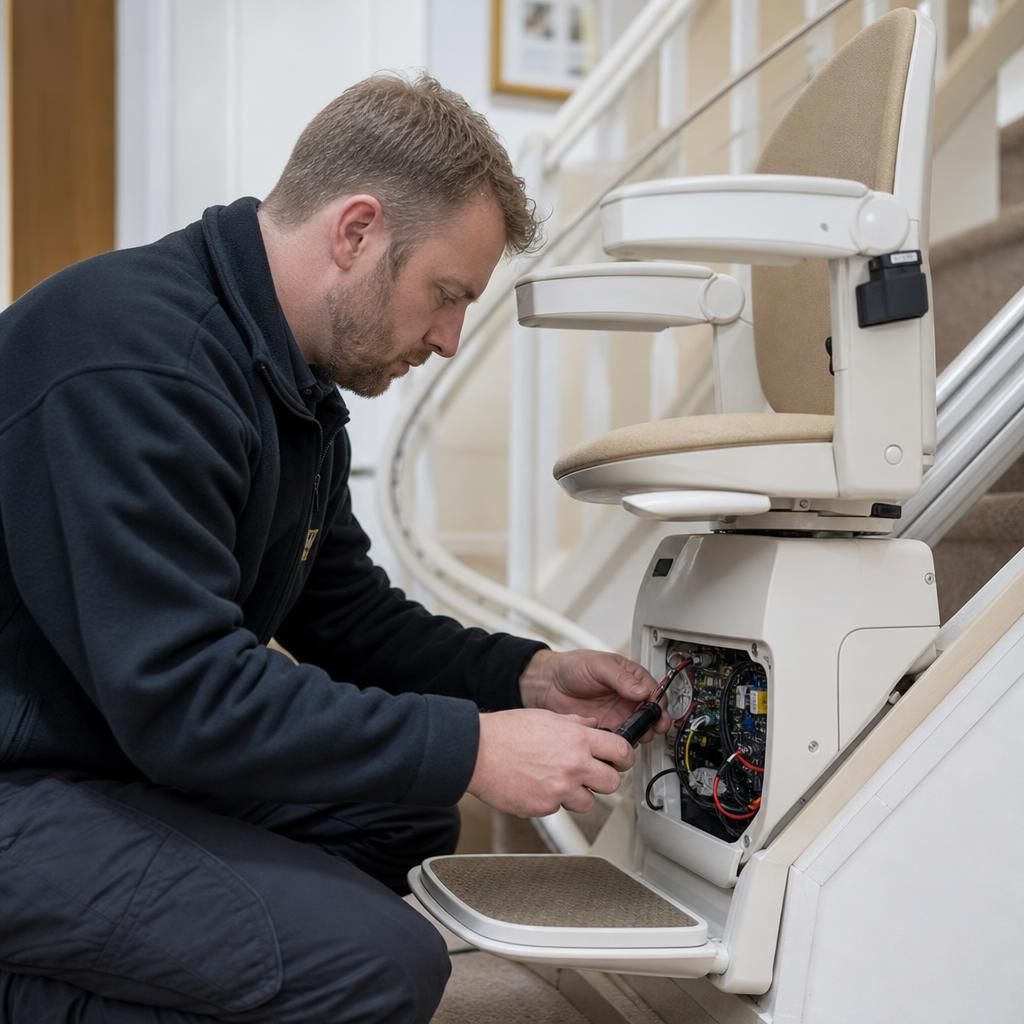
If one control operates the lift and another does not, the fault may be limited to a remote, handset or control switch. Replace batteries only where the handbook permits it and avoid repeated commands if the stairlift responds unpredictably.
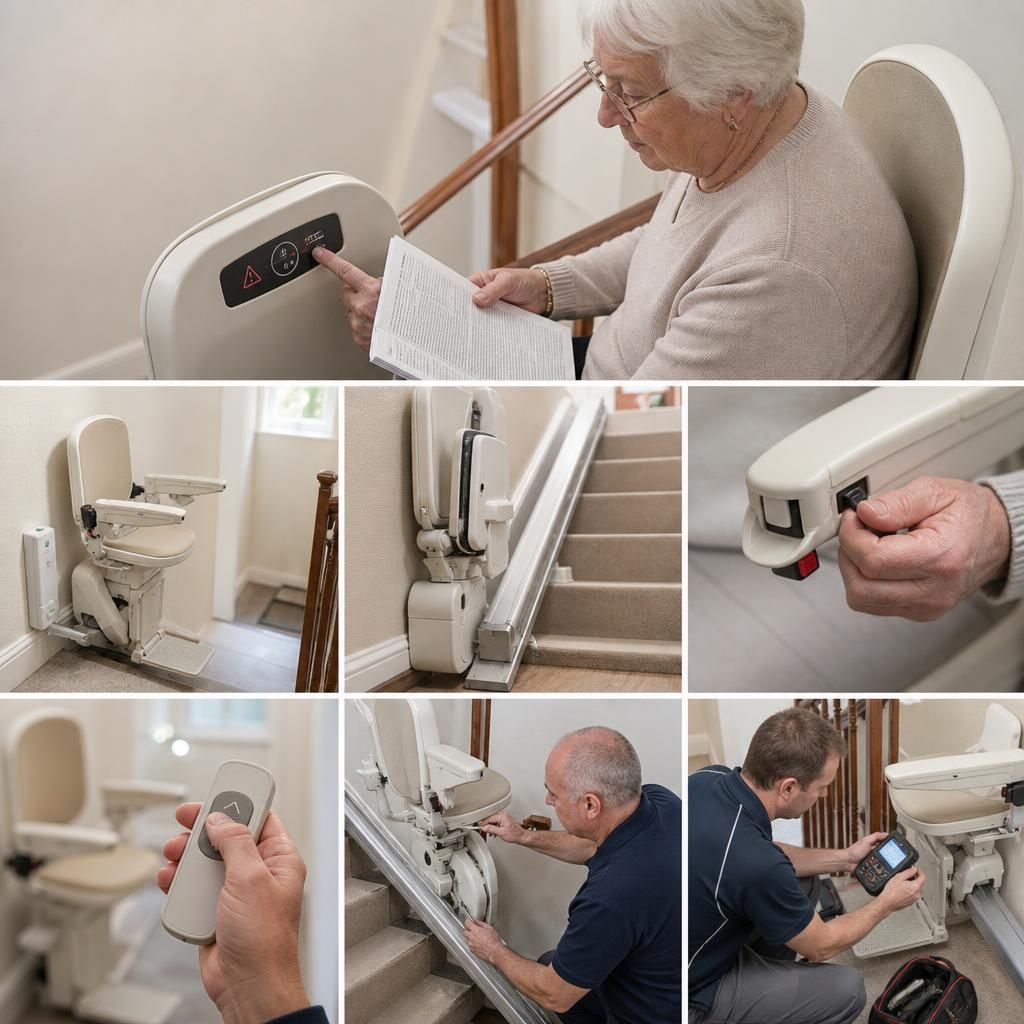
Persistent codes, unusual noises, repeated stops or a stairlift that will not move require a qualified engineer's assessment. Stop using the lift and provide the make, model, displayed warning and circumstances of the fault when booking help.
Stairlift error codes and diagnostic warnings show when the lift has detected a problem with its power supply, batteries, charging position, safety sensors or track. We explain what the indication may mean, carry out appropriate safety checks and advise you when the stairlift should remain out of use until an engineer has assessed it.
Our engineers handle faults systematically, protecting the user and the stairlift from unnecessary adjustments or unsafe testing. Once the cause is identified, we explain the required repair clearly and confirm any applicable workmanship or parts guarantee before work proceeds. If a warning returns or the fault cannot be safely resolved, contact us to arrange professional assistance.
A stairlift error code is a warning generated when the system detects an issue with power, charging, a safety sensor, movement or another component. Its meaning is specific to the make and model, so the handbook or an engineer’s assessment is needed for accurate interpretation.
Note the exact display message, light pattern or sequence of beeps, along with what the stairlift was doing when the warning appeared. Do not assume that the same code means the same fault on every model. We use the available diagnostic information together with a physical inspection to identify the cause and recommend the safest next step.
A stairlift should remain out of use if it stops unexpectedly, moves irregularly, gives a persistent warning or has an active safety fault. Continuing to operate it can increase the risk of injury or cause further damage.
Keep the stairlift parked safely, switch it off if the manufacturer’s instructions allow this, and keep others away from it until it has been assessed. Do not bypass a safety sensor, remove covers or attempt electrical repairs. Contact us for professional advice when the warning does not clear through the approved checks.
A stairlift fault assessment checks the diagnostic indication, power supply, batteries, charging contacts, controls, safety edges, sensors, motor and track. The inspection is selected for the symptoms rather than based on a generic reset procedure.
Our engineer will establish when the fault occurs, inspect for visible damage or obstructions, test relevant functions and identify whether the problem is caused by adjustment, wear, a failed component or an installation-related issue. We explain the findings in practical terms and set out the repair options before any chargeable work proceeds.
Any applicable parts or workmanship guarantee depends on the repair, replacement component and agreed terms. We confirm what is covered, how long it applies and any relevant exclusions before work is authorised.
If a repair is recommended, you will receive an explanation of the work required and the terms that apply to it. Keep the paperwork provided after the visit, and contact us if the same fault returns within the confirmed cover period so the issue can be reviewed against the agreed guarantee.
A recurring stairlift error usually indicates that the underlying cause has not been fully resolved, or that another component is developing a fault. Repeatedly resetting the lift can hide useful diagnostic information and should not replace an inspection.
Record the warning, when it occurs and whether the lift is on or off its charging point, then stop using it if operation is unreliable. We can review the previous assessment, check the relevant system again and explain whether further adjustment, repair or replacement is the appropriate solution.
Stairlift error codes highlight specific faults, requiring either a quick user fix or professional intervention depending on complexity, ensuring prompt resolution and continued safe operation of your stairlift.
Begin by turning off the stairlift and consulting the user manual for guidance on unfamiliar codes. If resolution isn't possible, contact a professional to ensure swift and accurate troubleshooting.
Recognising error code patterns enables early detection of recurring faults, facilitating preemptive maintenance. This helps in addressing potential problems before they escalate, ensuring your stairlift remains reliable and efficient.
Look for accredited professionals with industry experience. They should offer a detailed assessment, transparent pricing, and swift service to efficiently resolve your stairlift’s error codes, ensuring safety and reliability.
If error codes recur frequently or involve mechanical or electrical issues, a professional inspection is advisable every six months to ensure safety, reliability, and to prevent potential downtimes.
A stairlift error code or diagnostic warning is a light, display message or beep pattern indicating that the lift has detected a fault. It may relate to the batteries, charging position, safety sensors, controls or an obstruction, and the exact meaning depends on the model.
If the warning remains, stop using the stairlift, follow the handbook and contact a qualified engineer.
Do not continue using the stairlift when an error light, display message or repeated beep remains. Park it safely, keep the staircase clear and contact a qualified stairlift engineer.
A low-battery indication may mean the stairlift has not reached its charging point or the batteries are no longer holding charge. Check that the lift is parked correctly and the charging supply is switched on.
Error codes vary between stairlift models. Use the manufacturer’s handbook to identify the warning and follow only the checks it specifically permits.
A lift may stop if its seat, footrest or safety edges detect contact. With the stairlift switched off, remove any obvious obstruction without forcing or bypassing a safety device.
Contact an engineer if the warning returns, the lift will not move, charging fails or a safety feature appears faulty. Do not remove covers, alter wiring or continue testing a defective lift.
Professional stairlift diagnostics can establish whether a warning relates to power, batteries, charging, safety sensors, controls or the track. A qualified assessment provides clear fault identification, safe recommendations, suitable repairs where needed and advice on preventing the problem from returning.
A clear explanation of the warning
The engineer will explain what the displayed code, light or audible alert indicates in plain language, rather than leaving you to interpret a technical manual or warning sequence.
The fault narrowed to its actual cause
Diagnostics can distinguish between a control issue, an electrical fault, a battery problem, a charging fault or a mechanical issue, helping avoid unnecessary part replacement.
Confirmation of whether the stairlift is safe to use
You will be told whether the lift can continue operating, needs a temporary adjustment or should remain out of use until repair work has been completed.
Advice on the repair required
Where a fault needs attention, the engineer will explain the work involved, any parts that may be needed and whether the repair can be completed during the visit.
Checks for faults that may return
A professional assessment can identify underlying causes, such as interrupted charging or a recurring sensor problem, so the same warning is less likely to be treated as an isolated reset issue.
Practical guidance after the assessment
You will receive clear advice on operating the controls, parking the stairlift correctly, keeping safety areas clear and recognising when a new warning requires assistance.
Error codes appear when your stairlift encounters a problem, such as obstructions, ensuring a systematic diagnosis by indicating specific hardware or software issues even before professional intervention.
Examine the user manual for error code meanings, clear obstructions, reset the system, and verify connections. Address persistent errors by consulting a professional to ensure optimal performance.
First, consult the stairlift manual for specific code meanings. If the issue persists or isn’t listed, contact a professional for accurate diagnosis and safe resolution. Avoid DIY fixes for unfamiliar codes.
Inspect the common causes for interruption, like obstructions or power issues, ensuring all connections are secure. Persisting problems warrant a technician's assessment to prevent further faults.
Yes, repeated error codes can signal worn-out or faulty components needing replacement. Consult a professional to assess and confirm the necessary parts to ensure continued safe operation.
If your stairlift displays an unfamiliar error code, remains stopped or repeatedly alarms, contact Independent Stairlifts to arrange a professional diagnostic visit. We will identify the fault, explain your options and advise whether safe repair or replacement is appropriate.
Contact Us