
Are there any hidden costs associated with stairlift maintenance that I should be aware of?
Stairlift maintenance does not usually involve hidden costs, but your agreement may treat call-out charges, replacement parts, batteries, travel, VAT and repairs outside the service plan separately. Check what is included before booking or renewing maintenance, and ask for a clear explanation of any additional charge in advance.
Stairlift maintenance does not normally involve hidden costs, but some charges may sit outside the standard service price. The most common are call-out fees, replacement parts, batteries, travel, VAT, repairs not covered by the agreement and visits caused by faults or damage excluded from the plan. The exact position depends on the stairlift, its age, the provider’s terms and the level of cover selected.
A maintenance agreement should explain what is included and what may be charged separately. Before arranging a service or renewing cover, check the following points.
- Call-out charges: A planned service visit may be included, while an additional visit for a breakdown may attract a separate fee. Some agreements include call-outs only during specified hours or within a defined service area.
- Replacement parts: Labour and inspection may be covered without the cost of parts being included. Ask whether items such as sensors, rollers, switches, charging components and control units are covered, and whether there are exclusions for normal wear and tear.
- Batteries: Batteries are consumable components and may not be included in routine maintenance cover. They can require replacement as they age, particularly if the stairlift is used frequently or is not left correctly on its charging points.
- Travel or access charges: Some providers may apply a travel charge for locations outside their usual service area. An additional visit may also be needed if the engineer cannot safely access the stairlift or if the appointment has to be rearranged.
- VAT: Confirm whether the quoted price includes VAT. A price shown excluding VAT can make the final invoice higher than expected.
- Repairs outside the agreement: Routine servicing is different from repairing a fault. Damage caused by an impact, liquid, alteration, incorrect use or another external event may be excluded and charged separately.
- Older or discontinued models: Parts may be harder to source for an older stairlift. This can affect both the repair price and the time required to complete the work. In some cases, a specialist may need to discuss suitable alternatives if a part is no longer available.
- Contract renewal and cancellation: Check when cover renews, how much future periods cost, whether the price can change and whether notice is required to cancel. A lower introductory price may not apply after the initial term.
- Missed appointments: Terms may allow a charge where an engineer attends but cannot carry out the work, or where an appointment is cancelled without the required notice.
It is also important to establish whether the agreement covers labour only, labour and parts, or a wider breakdown service. A labour-only plan may appear less expensive but leave you responsible for the main cost if a component fails. Conversely, a more comprehensive plan may have exclusions, a claim limit or conditions about how and when the stairlift is used.
Ask for a written summary before work begins. It should state the service price, the frequency of planned visits, response arrangements for breakdowns, any excess or call-out fee, parts and battery cover, VAT treatment and the circumstances in which additional work requires your approval. If an engineer identifies a separate fault, request a description of the problem and a quotation before authorising chargeable repairs, unless immediate work is needed for safety.
Do not assume that every issue found during a service is covered maintenance. Cleaning, safety checks, lubrication where appropriate and adjustments may form part of a service, whereas replacing a worn component or correcting damage is usually treated as repair work. The distinction should be clear in the agreement and on the invoice.
You can reduce the risk of unexpected charges by keeping the stairlift clear of obstructions, following the operating instructions, leaving it on its charging point when not in use and reporting unusual noises, stopping, loss of power or movement problems promptly. Do not attempt electrical or mechanical repairs yourself, as this may create a safety risk and could affect cover.
If you are unsure about an invoice or maintenance renewal, contact Independent Stairlifts and ask for each charge to be explained. A reliable provider should be able to distinguish planned maintenance from chargeable repair work and confirm the likely cost before proceeding wherever practical.
Unexpected stairlift maintenance costs usually arise when the quoted service covers inspection and labour but excludes parts, batteries, call-outs or VAT. These items should be stated clearly in the maintenance agreement or service quotation.
Before work begins, check whether the plan covers labour only or includes replacement components and breakdown visits. If an engineer identifies a separate fault, ask for an explanation and written quotation before authorising chargeable repairs. This helps distinguish planned maintenance from additional repair work and gives you a clear record of what you are paying for.
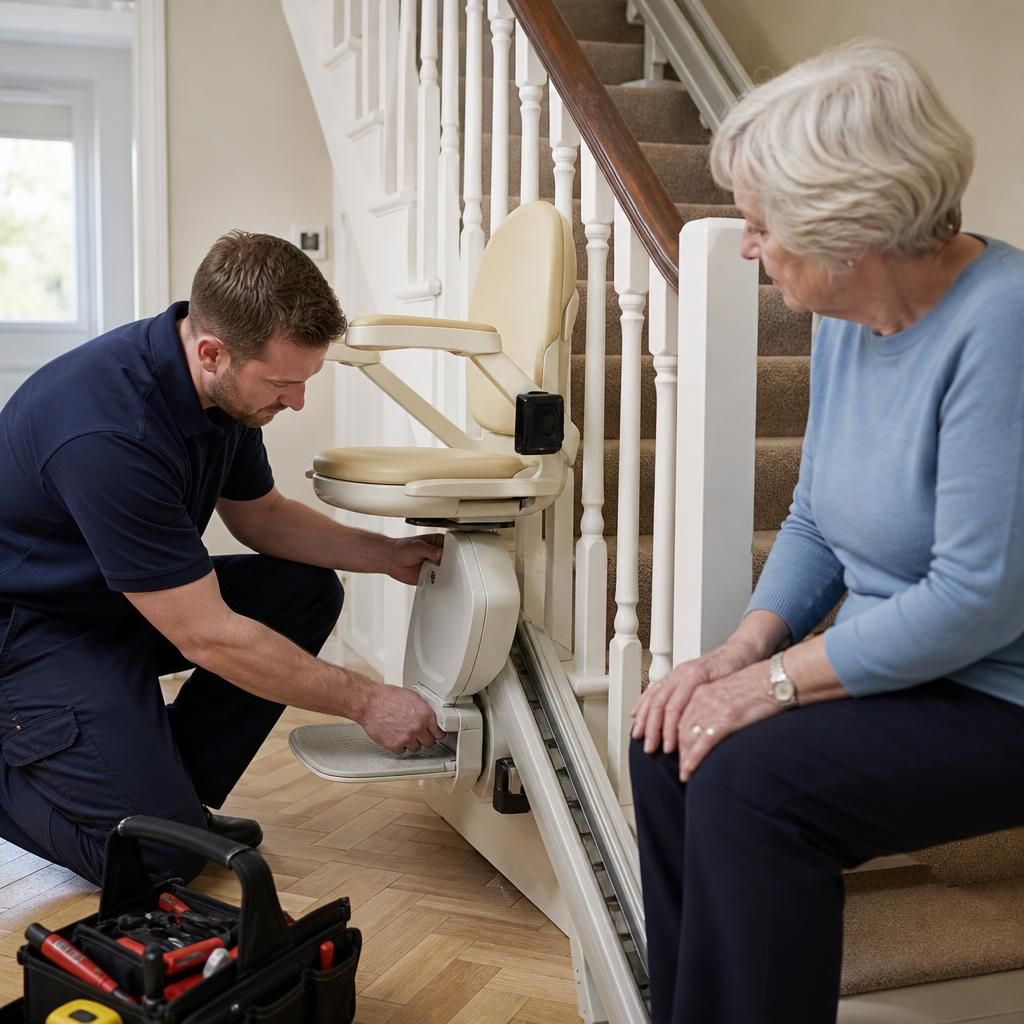
Ask Independent Stairlifts About Your Maintenance Cover
Contact Independent Stairlifts to confirm what your maintenance cover includes and whether any call-out, parts, battery or repair charges apply. We can explain the terms and clarify any additional costs before work is authorised.