
How do outdoor stairlifts withstand harsh weather conditions?
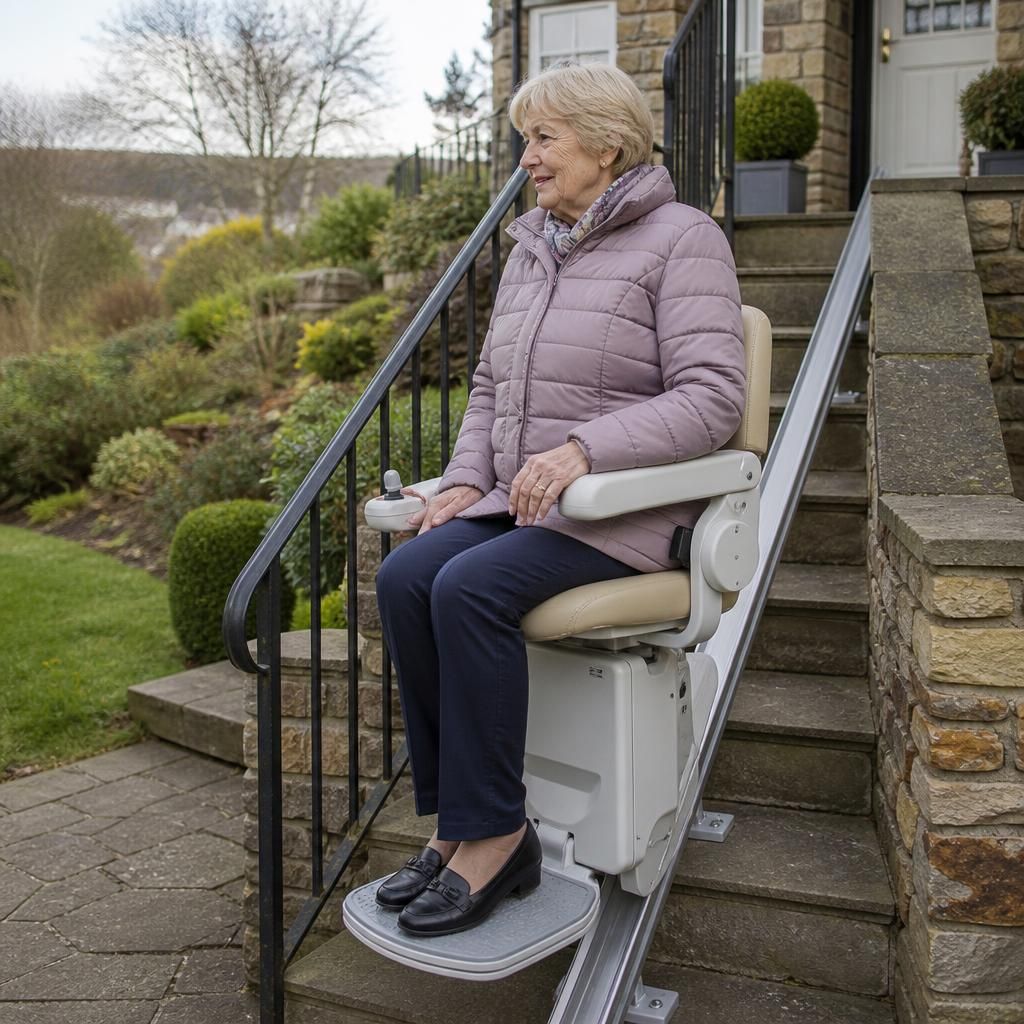
Outdoor stairlifts withstand harsh weather through corrosion-resistant materials, sealed electrical components and weatherproof upholstery designed to cope with rain, frost, sunlight and changing temperatures. Protective covers, suitable charging points and regular servicing help maintain safe, reliable operation throughout the year.
Outdoor stairlifts withstand harsh weather by combining corrosion-resistant construction, sealed electrical components, weather-resistant upholstery and protective controls. These features help the lift operate reliably in rain, frost, sunlight and changing temperatures, although an outdoor stairlift is not completely waterproof or maintenance-free. Correct installation, sensible use and regular servicing remain essential.
Materials are selected to resist corrosion. Outdoor rails, fixings and exposed fittings are generally manufactured or treated to cope with moisture and temperature changes. Stainless or suitably coated components help reduce rust, while durable plastics and UV-resistant finishes help limit damage caused by sunlight. This is particularly important on coastal properties, where salt in the air can accelerate corrosion, or on exposed steps that receive frequent rain.
Electrical parts are protected from moisture. Outdoor models use enclosed or sealed housings around sensitive electrical connections, control boards and drive components. These barriers reduce the risk of water reaching the electrics during normal outdoor use. However, pressure washing, flooding or directing a hose at the lift can force water past seals and should be avoided. Water can also collect around charging points if drainage is poor, so the installation needs to be positioned and maintained correctly.
The seat and controls are designed for outdoor conditions. Weather-resistant upholstery helps the seat cope with rain and sunlight, while armrests, switches and remote controls are selected for regular handling outside. A cover can provide additional protection when the lift is not being used, particularly during prolonged rain, snow or periods of strong sunlight. Use a cover intended for the specific model and allow damp surfaces to dry where possible, rather than trapping moisture underneath it.
Cold weather affects both the materials and the battery. Frost can make the seat, footrest or controls slippery, and ice on the steps or rail can interfere with safe travel. Batteries may also deliver less effective performance in very low temperatures. Keep the charging points connected as instructed, clear snow and ice before use, and do not attempt to force a lift that is frozen or obstructed. If the stairlift stops, makes an unusual noise or shows a fault indication, follow the operating instructions and contact the service team rather than repeatedly restarting it.
Heat and direct sunlight can also affect outdoor equipment. UV exposure may gradually fade upholstery and plastic covers, while high temperatures can place additional stress on batteries and electronic components. Positioning, where the staircase allows it, and using a suitable protective cover can reduce exposure. Avoid covering the lift while it is wet or placing objects over ventilation areas that need to remain clear.
Good installation is as important as weather-resistant equipment. The rail should be securely fixed to the staircase and positioned to allow water to drain away rather than collect around moving or electrical parts. Charging points must be located where the stairlift can charge consistently and safely. The installer will also consider the staircase layout, exposure, access to the controls and any nearby walls, gates or landscaping that could affect operation in wind or heavy rain.
Users should carry out simple checks before using the lift in difficult weather:
- Remove leaves, grit, snow and ice from the steps and the lift’s travel path.
- Check that the seat, armrests, footrest and controls are dry enough to use safely.
- Look for visible corrosion, loose fittings, damaged covers or exposed cables.
- Make sure the rail and footrest are free from obstructions.
- Confirm that the lift is charging correctly when parked at its charging point.
Do not use the stairlift during conditions that make the staircase unsafe, such as flooding, significant ice or severe winds that could affect balance or control. An outdoor stairlift can improve access, but it cannot remove the need for a safe walking surface. If weather has caused damage or the lift behaves differently from normal, stop using it and arrange an inspection.
Regular servicing helps preserve weather protection over time. A trained technician can check the rail, drive system, batteries, charging contacts, safety sensors, seals, upholstery and fixings, as well as identify early signs of corrosion or water ingress. Cleaning should follow the manufacturer’s instructions; normally, a soft damp cloth is preferable to abrasive products, solvents or high-pressure water.
With the right outdoor specification, careful installation, protective cover and routine maintenance, an outdoor stairlift can withstand the changing conditions found around UK homes. During an assessment, Independent Stairlifts can consider how exposed the staircase is, whether it is close to the coast, how it will be used in winter and which protective measures are appropriate for the setting.
Outdoor stairlifts withstand harsh weather by protecting their electrical and mechanical components from moisture, corrosion and temperature changes. Sealed housings help prevent rain from reaching sensitive electrics, while corrosion-resistant rails, fixings and finishes reduce the risk of rust in damp or coastal locations.
A suitable protective cover provides extra defence when the lift is not in use, particularly during prolonged rain, snow or strong sunlight. The cover should be designed for the specific stairlift and should not be fitted while the seat or controls are wet, as trapped moisture can cause damage. Avoid pressure washing or directing a hose at the lift, because forceful water can pass through seals and reach electrical parts.
Weather protection still depends on proper installation and maintenance. Keep the charging point clear and dry, remove ice, snow and leaves before use, and arrange an inspection if you notice corrosion, damaged covers, exposed cables or unusual operation.
Arrange an outdoor stairlift assessment
Arrange an outdoor stairlift assessment with Independent Stairlifts to review your staircase, exposure to weather and the protective features needed for reliable year-round use.