
How do outdoor stairlifts handle varying weather conditions to ensure consistent performance?
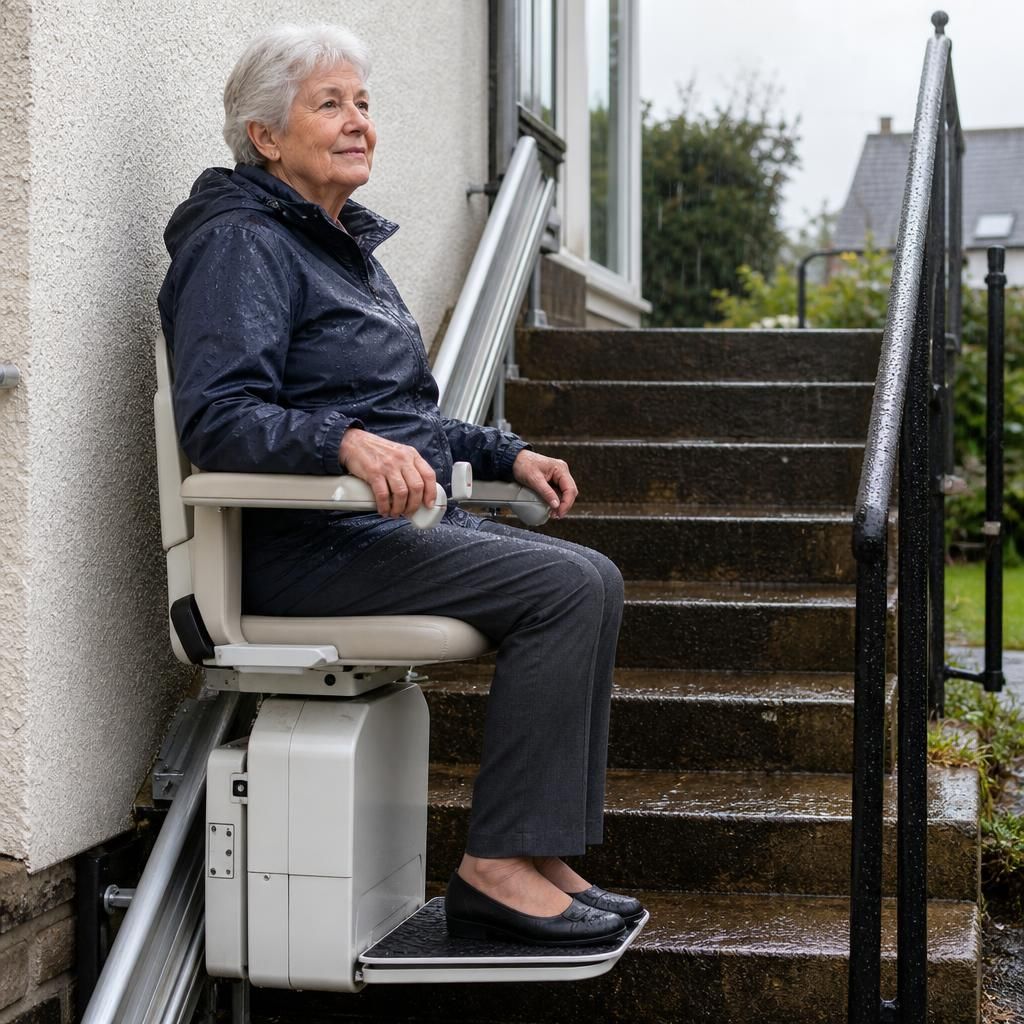
Outdoor stairlifts are designed with weather-resistant materials, sealed electrical components and protective covers to withstand rain, snow, frost and sunlight while maintaining safe, reliable operation. Regular cleaning, charging and servicing also help protect the lift from weather-related wear and ensure consistent performance throughout the year.
Outdoor stairlifts are built to operate in changing weather by combining corrosion-resistant materials, sealed electrical components, protected drive systems and weatherproof controls. These features help the lift remain safe and dependable in rain, frost, snow, strong sunlight and changing temperatures, although sensible use, regular cleaning and servicing are still essential for consistent performance.
Protection against rain and moisture
Outdoor models are designed specifically for exposure to the elements. Electrical connections, control systems and drive components are enclosed or sealed to reduce the risk of water ingress. Upholstery and seat materials are selected for outdoor use, while protective covers help keep the seat, armrests and controls dry when the stairlift is not being used.
Weather resistance does not mean that the lift should be left permanently exposed to standing water. Good drainage around the steps and landing is important, particularly where rainwater could collect on the track, footrest or platform. After heavy rain, remove leaves, mud and other debris that could obstruct moving parts or make the steps slippery. Avoid directing a pressure washer or hose at the stairlift, as forceful water can penetrate seals and electrical housings.
Operation in cold weather, frost and snow
Frost and snow can affect the surfaces around an outdoor stairlift even when the lift itself is weather-resistant. Ice on the steps, track or platform may create a slipping hazard and can interfere with sensors or moving parts. Clear snow and ice from the route before use, following the operating guidance supplied with the stairlift. Do not force the lift to move if ice has formed around the carriage, footrest, platform or safety edges.
Low temperatures can also reduce battery efficiency temporarily. This is more likely if the stairlift is not parked correctly on its charging point or if its battery is already nearing the end of its serviceable life. Keeping the lift parked as recommended allows the batteries to remain charged and helps maintain dependable operation during colder periods. If the lift shows a low-battery warning, moves more slowly than usual or fails to complete its journey, stop using it and arrange an assessment rather than repeatedly operating the controls.
Sunlight and high temperatures
Outdoor stairlifts are made with materials and finishes intended to withstand sunlight, but prolonged exposure can gradually cause fading, surface wear and deterioration of some plastics or upholstery. A fitted cover can reduce exposure when the stairlift is parked, particularly during periods of strong sunlight. Covers should be used correctly and removed before operation unless they are specifically designed to remain in place.
Keep ventilation openings, charging points and control housings clear. Do not cover a component in a way that traps heat or moisture. If the stairlift has become unusually hot in direct sunlight, allow it to cool naturally and check that it is free from obstructions before use.
Wind and exposed locations
Wind does not usually prevent a properly installed outdoor stairlift from operating, but exposed staircases may collect leaves, grit and branches. Strong winds can also move loose covers or other objects into the travel path. Check the staircase before use and secure or remove anything that could catch on the lift. Platform models may be more affected by wind because of their larger surface area, so follow the manufacturer’s guidance about operation in particularly exposed conditions.
Features that support reliable performance
- Corrosion-resistant rails, fixings and external surfaces help protect against damp conditions.
- Sealed electrical enclosures and protected wiring reduce exposure to rain and condensation.
- Weatherproof hand controls and remote controls are designed for outdoor use when used as instructed.
- Fold-down or removable covers protect seating, platforms and controls while the lift is parked.
- Safety sensors can help detect obstructions, although they must be kept clean and should not be treated as a substitute for clearing snow, mud or debris.
- Rechargeable batteries allow the stairlift to operate during a power interruption, provided they are maintained and charged correctly.
What you can do to maintain consistent performance
- Park the stairlift in its recommended charging position after use.
- Wipe away dirt, moisture and salt deposits using the cleaning method specified for the model.
- Keep the rails, steps, platform and travel route free from leaves, grit, ice and other obstructions.
- Use the supplied cover when the stairlift is not in use, ensuring it is fitted securely and does not retain dampness.
- Inspect visible cables, covers and fixings for damage, without attempting to dismantle sealed components.
- Arrange servicing at the recommended intervals and report unusual noises, warning lights, jerky movement or charging problems promptly.
Outdoor stairlifts should not be used if the staircase is unsafe, visibility is severely reduced, flooding has occurred or conditions have caused damage to the lift or its surroundings. If the lift stops after severe weather, isolate the problem by checking for obvious debris or an unlatched cover, but do not bypass safety features or attempt electrical repairs. Contact the servicing team for advice and wait for the lift to be confirmed safe before using it again.
Weather-resistant construction provides the foundation for year-round use, but it works alongside correct installation and routine care. A site assessment also helps identify exposure to prevailing weather, drainage problems, overhanging vegetation and suitable locations for charging points and protective covers, allowing the outdoor stairlift to be specified and installed for the conditions around your home.
Outdoor stairlifts maintain performance in changing weather through sealed electrical components, corrosion-resistant materials and controls designed for external use. These features help protect the lift from rain, condensation, frost and sunlight, while rechargeable batteries support operation when the mains supply is interrupted.
Weather resistance does not remove the need for routine care. Keep the track, steps and platform clear of snow, ice, leaves and standing water, and use the supplied cover when the lift is parked. Park the stairlift on its charging point after use and arrange servicing if you notice warning lights, unusual noises, jerky movement or charging problems.
Arrange an Outdoor Stairlift Assessment
Arrange an outdoor stairlift assessment so we can review your staircase, weather exposure and charging position, then recommend a suitable solution for reliable year-round access.