
How do Stannah stairlift features influence the overall investment required?
Stannah stairlift features influence the overall investment because options such as powered seats, swivel mechanisms, folding rails, upgraded upholstery and remote controls can add to the base price. Staircase design, installation requirements and whether you choose a new or reconditioned model also affect the final quotation.
Stannah stairlift features influence the overall investment by determining the equipment specification, the complexity of the installation and the level of personalisation required. A basic stairlift may cover the essential need for safe movement between floors, while options such as powered seat adjustments, automatic swivelling, upgraded upholstery or a folding rail can increase the quotation. The staircase itself and the condition of the property can also have as much influence on the final price as the stairlift model.
The starting price generally reflects the stairlift, its standard safety equipment and installation on a suitable staircase. The final quotation is based on the combination of features selected and the work required in the individual home. This is why an assessment is more reliable than using a standard advertised price, particularly where the staircase has landings, tight turns, restricted access or unusual dimensions.
Features that can affect the overall investment include:
- Stairlift design: A straight stairlift usually has a simpler rail and installation process. A curved stairlift requires a rail designed around the staircase, which may include bends, changes in gradient, intermediate landings or several floors. The additional design and manufacturing work generally makes a curved installation more expensive.
- Powered swivel seats: A powered swivel can help the user turn towards the landing without manually operating the seat. This may be particularly useful where balance, strength or coordination is limited. It is an optional powered function and can increase the initial cost compared with a manually operated swivel mechanism.
- Powered footrests: A powered footrest can fold or unfold with the seat controls, reducing the need to bend down. It may be suitable for someone who finds manual adjustment difficult, although it adds mechanical and electrical components to the specification.
- Folding rails: A folding rail can help keep a doorway, hallway or walkway clear at the bottom of the stairs. Manual and powered versions may be available, with the powered option usually requiring a higher investment. Whether this feature is needed depends on the layout and available clearance.
- Seat size and upholstery: Different seat shapes, support levels, colours and upholstery materials can be selected to suit the user and the room. A more supportive or upgraded seat may cost more than the standard specification, but comfort, posture and ease of transfer should be considered alongside price.
- Controls and remote operation: Hand controls are normally part of the operating system, while additional remotes can allow the stairlift to be called to another floor. This can be helpful in a shared household, although it may alter the price depending on the selected equipment.
- Weight capacity and support requirements: The stairlift must be specified for the user safely and appropriately. A model with a higher weight capacity or different seat configuration may have a different price from a standard model. The assessment should consider the user’s current needs, clothing, walking aids and ability to transfer safely.
- Outdoor specification: An outdoor stairlift needs protection against weather and changing temperatures, as well as materials and controls suitable for external use. These requirements make an outdoor installation different from an indoor one and can affect both the equipment and installation costs.
Standard safety features should not be treated as unnecessary extras. Braking systems, sensors, seat belts, battery backup and controls designed for safe operation are fundamental parts of a suitable stairlift. The important distinction is between equipment required for safe use and optional features intended to improve comfort, convenience or access in a particular home.
Staircase measurements also have a direct effect on cost. A straight staircase with good access at the top and bottom may need relatively little adaptation. By contrast, a curved or multi-flight staircase requires a bespoke rail. Narrow stairways, limited landing space, doorways close to the stairs and obstructions such as radiators can affect the rail design or require additional safety measures. If the stairlift must stop short of a landing, park in a different position or include a folding section, the specification may become more complex.
The condition of the property can influence the installation work as well. The survey should identify whether there is a suitable power supply, whether fixings can be made securely to the stairs, and whether skirting boards, flooring or other features affect access. Most stairlifts are fitted to the stairs rather than the wall, but the installer still needs to check the structure and the surrounding area. Any remedial work or alterations should be explained before installation so that the quotation is clear.
Choosing between a new and reconditioned Stannah stairlift can change the balance between features and price. A reconditioned model may offer a lower initial investment, subject to availability and suitability. However, the exact model, rail arrangement, seat options and warranty terms need to be checked. A reconditioned stairlift is not automatically the right choice if the staircase requires a particular bespoke rail or the user needs features that are not available on the selected unit. A new stairlift may provide more choice over colour, seating, controls and powered options from the outset.
Features can also influence ownership costs after installation. Powered mechanisms and more complex systems may require additional attention if a component needs servicing or replacement, although the day-to-day cost depends on the model, usage, age and warranty or service arrangements. Batteries are consumable parts and eventually need replacing on any battery-operated stairlift. Asking what is covered by the warranty and what is included in an ongoing service plan will help you compare the total cost rather than only the initial quotation.
When reviewing a quotation, separate the essential requirements from convenience features. Consider whether the user can operate each control, transfer safely to and from the seat, sit comfortably for the full journey and use the stairlift if their mobility changes. A powered swivel or folding rail can represent good value where it removes a genuine difficulty, while an option that does not solve a specific problem may not be necessary.
The most accurate investment assessment comes from a home survey and a discussion about the user’s abilities, staircase and future needs. The quotation should identify the stairlift model, rail type, selected features, installation work, warranty and any ongoing service costs. This allows you to understand which features are affecting the price and choose a specification that is safe, practical and appropriate for the home.
Optional Stannah stairlift features affect the overall investment because they add functions beyond the standard safety specification. The right choice depends on whether a feature solves a specific difficulty for the user or is simply a convenience.
For example, a powered swivel seat may make transferring at the top of the stairs easier for someone with limited balance or strength. A powered folding rail can help keep a doorway or hallway clear where the bottom of the staircase is close to an access route. These options can increase the quotation, but may provide practical value when they improve safe, independent use.
During the assessment, consider the user’s ability to operate controls, bend, turn and transfer from the seat. Compare the cost of each option with the difficulty it addresses, rather than selecting every available feature. The quotation should show which features are included, which are optional and whether they affect future servicing or warranty arrangements.
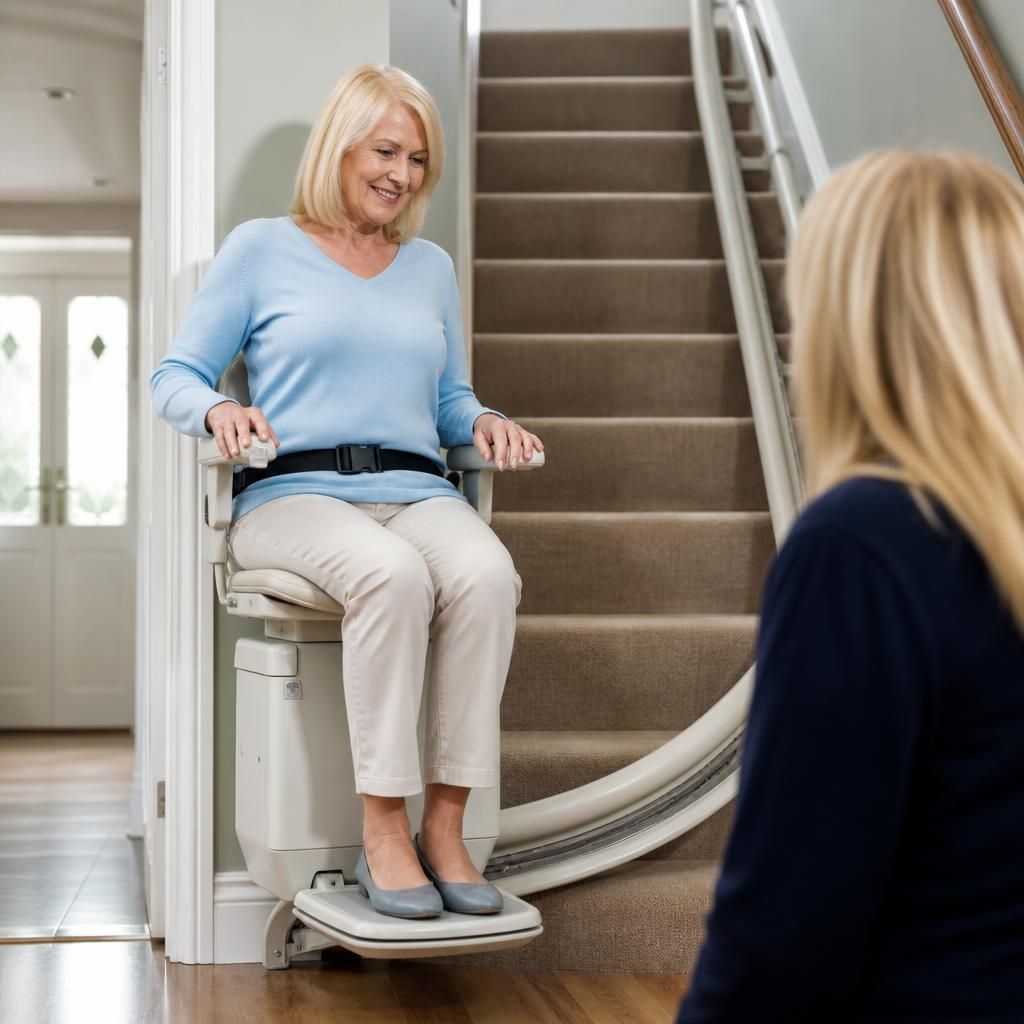
Discuss the Right Stannah Stairlift Features for Your Home
Discuss the Stannah stairlift features that match your mobility needs and staircase with our team. We can arrange an assessment and provide a clear quotation showing how each option affects the overall investment.