
What factors influence the cost of stairlift servicing?
Stairlift servicing costs are influenced by the type and age of the stairlift, the complexity of the installation, the condition of key components and whether any repairs or replacement parts are needed. Travel requirements, service contract cover and the frequency of maintenance can also affect the final price.
Stairlift servicing costs mainly depend on the type and age of the lift, the complexity of its installation, its current condition and whether parts or repairs are required. The service arrangement also matters: a routine visit covered by an ongoing contract is priced differently from a one-off call-out, particularly if additional travel, replacement parts or remedial work is needed.
The type of stairlift
Straight stairlifts are usually simpler to inspect because they run on a standard rail with fewer installation variables. Curved stairlifts are more individually configured, with rails made to follow the shape of a particular staircase. Servicing a curved model may therefore require more time to assess the rail, bends, charging points and other customised components.
Outdoor stairlifts have additional exposure to rain, cold, dirt and changing temperatures. A service may need closer inspection of weather protection, electrical connections, covers, controls and corrosion-prone parts. Reconditioned stairlifts can also vary in cost depending on their model, age, previous use and the availability of suitable replacement components.
The age and model of the lift
Older stairlifts may take longer to service if components are worn, settings have changed or the original model is no longer commonly supported. Replacement parts can also influence the total cost, particularly where a specific component must be sourced or where several parts have reached the end of their useful life at the same time.
Newer lifts are not automatically free from servicing costs, but their parts and service information may be more readily available. The exact model is important because servicing procedures, diagnostic requirements and component prices differ between manufacturers and designs.
The condition of key components
A standard service normally includes functional and safety checks, cleaning where appropriate, inspection of mechanical and electrical components, and adjustments to help the lift operate correctly. The technician may examine the rail, drive system, seat, armrests, swivel mechanism, footrest, controls, batteries, charging points and safety sensors.
If these components are in good condition, the visit may remain a routine maintenance service. If the inspection identifies excessive wear, loose fixings, damaged wiring, weak batteries or a fault affecting operation, further work may be recommended. The cost then depends on the part required and the labour involved in fitting and testing it.
Repairs and replacement parts
Servicing and repair are related but different. Servicing is planned preventative work intended to identify problems early; a repair addresses a fault or failed component. A quoted service fee may not include replacement parts or remedial work, so it is sensible to check what is included before authorising additional work.
Common items that can affect the final charge include batteries, chargers, remote controls, safety switches, drive components, rollers and worn seating or armrest parts. A technician should explain what has been found, whether the issue affects safety or reliability, and whether the work is urgent or can be planned for a later visit.
Installation complexity and access
The staircase layout can affect the time needed to complete a thorough inspection. A lift serving several floors, a tight or unusually shaped staircase, multiple charging locations or difficult access to the equipment may require additional assessment. Curved rails and lifts installed in less typical domestic layouts can also involve more detailed checks than a basic straight installation.
Where access is restricted, the technician may need to allow more time for safe working and for testing the lift throughout its full travel. This is not a reflection of the user’s home; it is simply a practical factor in carrying out the service properly.
Travel and the location of the property
Travel requirements can influence the price of a one-off visit, particularly where the property is remote or a specialist technician is needed. The distance, scheduling and availability of an appropriately qualified engineer may be considered when arranging the appointment. For customers covered by an ongoing service agreement, travel terms may already be set out in the contract.
Before booking, ask whether the quoted price includes travel, attendance, inspection and testing. This helps distinguish the service cost from possible parts, repairs or additional visits.
One-off servicing compared with a service contract
A one-off service is generally charged per visit and may be suitable when a lift needs an isolated inspection or when the owner is reviewing its condition. An ongoing service contract can provide planned maintenance at an agreed frequency, with the terms setting out what is included and what remains chargeable.
Contract prices vary according to the level of cover. Some arrangements cover routine servicing only, while others may include defined call-out support, labour or selected parts. Exclusions may apply to accidental damage, misuse, batteries, obsolete components or work outside the agreed maintenance schedule. Read the terms carefully so you understand the difference between included maintenance and chargeable repairs.
The frequency and timing of servicing
Regular servicing can make costs easier to plan because maintenance is scheduled rather than arranged only after a fault develops. It may also identify wear before it leads to a more disruptive failure. However, the appropriate interval depends on the lift, how often it is used, the environment and the manufacturer’s guidance.
A heavily used lift, an outdoor installation or a stairlift exposed to dust, damp or temperature changes may need closer attention than a lightly used indoor lift. Delaying a recommended service can increase the chance that a minor adjustment develops into a repair, although no servicing plan can prevent every fault.
Urgency and additional visits
An emergency call-out, a visit outside normal working arrangements or a return visit to fit a part can cost more than a planned service appointment. If a fault leaves the stairlift unusable, explain the symptoms clearly when contacting the service team. Details such as unusual noises, intermittent stopping, charging problems or a change in travel speed can help determine the likely response and whether parts may be needed.
Do not continue using a stairlift that is behaving unsafely or displaying a fault condition. Follow the operating guidance, keep the area clear and contact the service team for advice.
How to budget accurately
Ask for a written explanation of the service charge and check the following points:
- Which checks, adjustments and tests are included?
- Are travel, attendance and call-out costs included?
- Are labour and replacement parts included, and if so, which parts?
- What happens if the technician finds a fault during the visit?
- Will you receive an estimate before chargeable repair work begins?
- Is a follow-up visit included if a part has to be ordered?
- What exclusions, cancellation terms and renewal conditions apply to an ongoing contract?
Keeping the stairlift’s model details, service history and previous repair information available can help the engineer prepare for the visit. Reporting changes in performance promptly may also reduce the risk of an unexpected breakdown and make it easier to plan any necessary expenditure.
The most reliable way to establish the likely cost is to arrange an assessment based on the actual stairlift and its installation. A proper quotation should separate routine servicing from optional repairs, replacement parts and any additional attendance, allowing you to make an informed decision about maintaining the lift safely and economically.
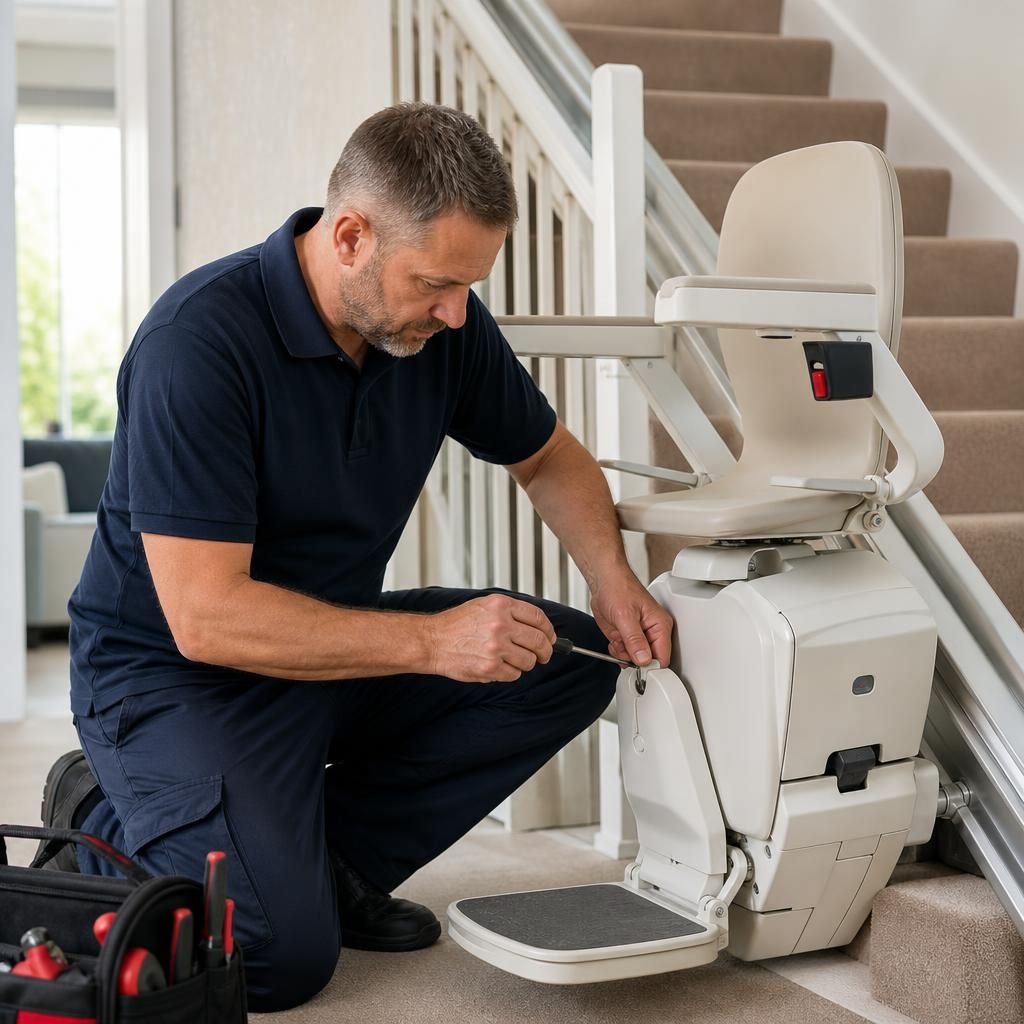
The condition of the stairlift is one of the main factors that can change a routine servicing cost. A standard visit covers inspection, testing, cleaning and adjustments, but worn batteries, damaged wiring, faulty sensors or drive components may require additional labour and replacement parts.
Before any chargeable repair is carried out, ask for a clear explanation of the fault and an estimate of the total cost. Check whether the quoted price includes travel, attendance, testing and labour, and confirm which parts or follow-up visits would be charged separately. This makes it easier to distinguish preventative servicing from essential repair work and budget accurately.
Request a clear stairlift servicing quote
Contact Independent Stairlifts for a clear stairlift servicing quote based on your lift, installation and required level of cover. We’ll explain what is included and identify any potential charges for parts, repairs or additional visits.