
What maintenance and service considerations should be factored into the cost of owning a Handicare stairlift?
The cost of owning a Handicare stairlift should include routine servicing, warranty coverage, replacement batteries and wear parts, and any out-of-warranty engineer call-outs. Before buying, check what the quoted price and service plan cover, how long support lasts, and whether future repairs, upgrades or removal will be charged separately.
The cost of owning a Handicare stairlift includes more than the purchase and installation price. You should allow for servicing, battery replacement, wear-and-tear parts, engineer call-outs outside any cover, and eventual removal or relocation. The exact cost depends on the model, stair layout, usage, age and condition of the lift, and the warranty or service plan included with your quotation.
Check what is included in the initial price. A new stairlift quotation may include installation and a manufacturer’s warranty, but the scope and duration of cover can vary. Ask whether the warranty covers labour as well as parts, whether it applies to batteries and chargers, and whether call-out charges are included if a fault occurs. Also confirm whether cover is limited to manufacturing defects or includes faults caused by normal wear, accidental damage, power issues or misuse.
A warranty is not the same as a continuing maintenance contract. It may cover a repair when a qualifying fault develops, but it does not necessarily provide scheduled servicing or cover every component. Your paperwork should state when cover starts, how to report a fault, any exclusions, and what happens if the stairlift is transferred to another home or owner.
Routine servicing helps identify faults before they affect reliability. A service visit will usually involve inspecting the track, carriage, seat, armrests, footrest, safety sensors, controls, charging points and electrical connections. The engineer may also test safety functions, check for unusual noise or movement, clean relevant components and identify parts that may need attention later. The appropriate service interval depends on the model, its condition and how often it is used, so follow the manufacturer’s guidance and the advice recorded by the installing engineer.
Some service plans include scheduled visits, priority attendance and parts or labour. Others provide only engineer support when the lift develops a fault. Compare plans carefully rather than assuming that a plan described as “maintenance” covers every repair. Ask whether there is an excess, whether travel is included, whether emergency attendance costs more, and whether the plan can be renewed when the original warranty ends.
Batteries are a normal ownership cost. Most stairlifts use rechargeable batteries, which gradually lose capacity through age and use. Signs that batteries may need replacing include the lift stopping before reaching the charging point, reduced travel distance, warning tones or a battery indicator that does not behave normally. Battery life is affected by usage patterns, charging arrangements and whether the stairlift is left switched on at its charging points as instructed.
Replacement batteries are a service item rather than an indication that the whole stairlift has failed. However, they should be fitted with the correct specification by a suitably qualified engineer. Do not attempt to modify the charging system or substitute unsuitable batteries, as this can affect safety and may invalidate warranty cover.
Other parts may eventually require adjustment or replacement. Common examples include rollers, charging contacts, remote controls, safety edges, arm switches, belts, wiring and components within the drive system. Wear is not always covered by a warranty or service plan. A curved stairlift can have more bespoke trackwork and may involve different parts and engineer time from a straight model. Outdoor lifts are exposed to moisture, temperature changes and dirt, so their inspection and maintenance requirements can also differ.
The age and condition of a reconditioned stairlift should be considered when budgeting. Its purchase price may be lower, but ask for its service history, the age of the batteries, the condition of the track and carriage, the work completed during refurbishment, and the remaining warranty. A clear explanation of which parts have been renewed and which remain original will help you assess likely future expenditure.
Engineer call-outs can become the main out-of-warranty expense. When comparing service arrangements, establish whether you would pay for the visit, diagnosis, labour, replacement parts and travel separately. Ask whether faults outside normal working hours attract an additional charge and whether a no-fault visit is chargeable. If the stairlift is still under warranty, report problems through the stated support process rather than arranging an unauthorised repair, because this could affect your cover.
Simple user checks can reduce avoidable problems. Keep the track and charging areas clear, use the lift as instructed, keep the stairlift connected to its charger when parked as recommended, and report changes in movement, noise, braking or battery performance promptly. Do not remove covers or attempt electrical repairs. If the stairlift is unused for a prolonged period, ask for advice on keeping the batteries charged and the equipment safe.
Remember the costs at the end of the stairlift’s service. If you no longer need the lift, removal may be chargeable, particularly where the track is bespoke or access is difficult. Relocating a lift to another property is not always practical, especially when the track was made for a particular staircase. Confirm whether removal, making good fixing points, transport, storage or reinstallation is included in any agreement. If the stairlift is rented or supplied under a different arrangement, check who is responsible for collection and ongoing servicing.
Before accepting a quotation, ask for a written breakdown covering:
- installation and any necessary electrical work;
- the length and scope of the warranty;
- whether labour, parts, batteries and call-outs are covered;
- recommended servicing and the price of any service plan;
- out-of-hours, travel and no-fault call-out charges;
- likely exclusions, including accidental damage and normal wear;
- the age and condition of key components on a reconditioned lift; and
- future removal, relocation or disposal arrangements.
The most useful comparison is therefore the total ownership cost over the period you expect to use the stairlift, not just the installation price. A slightly higher initial quotation may include more comprehensive support, while a lower price may leave servicing, batteries and repairs to be paid for separately. Independent Stairlifts can assess the staircase and your usage requirements, explain the available cover, and identify the maintenance responsibilities that should be included in your individual quotation.
Handicare stairlift ownership costs should distinguish between a warranty and a maintenance plan. A warranty normally covers qualifying faults for a stated period, while a service plan may include scheduled inspections, engineer attendance, labour or replacement parts under separate terms.
Before accepting a quotation, check whether the cover includes batteries, charging equipment, travel, emergency call-outs and normal wear. Also ask about exclusions, excesses and out-of-hours charges. Comparing these details will show whether a lower purchase price could lead to higher repair and servicing costs later.
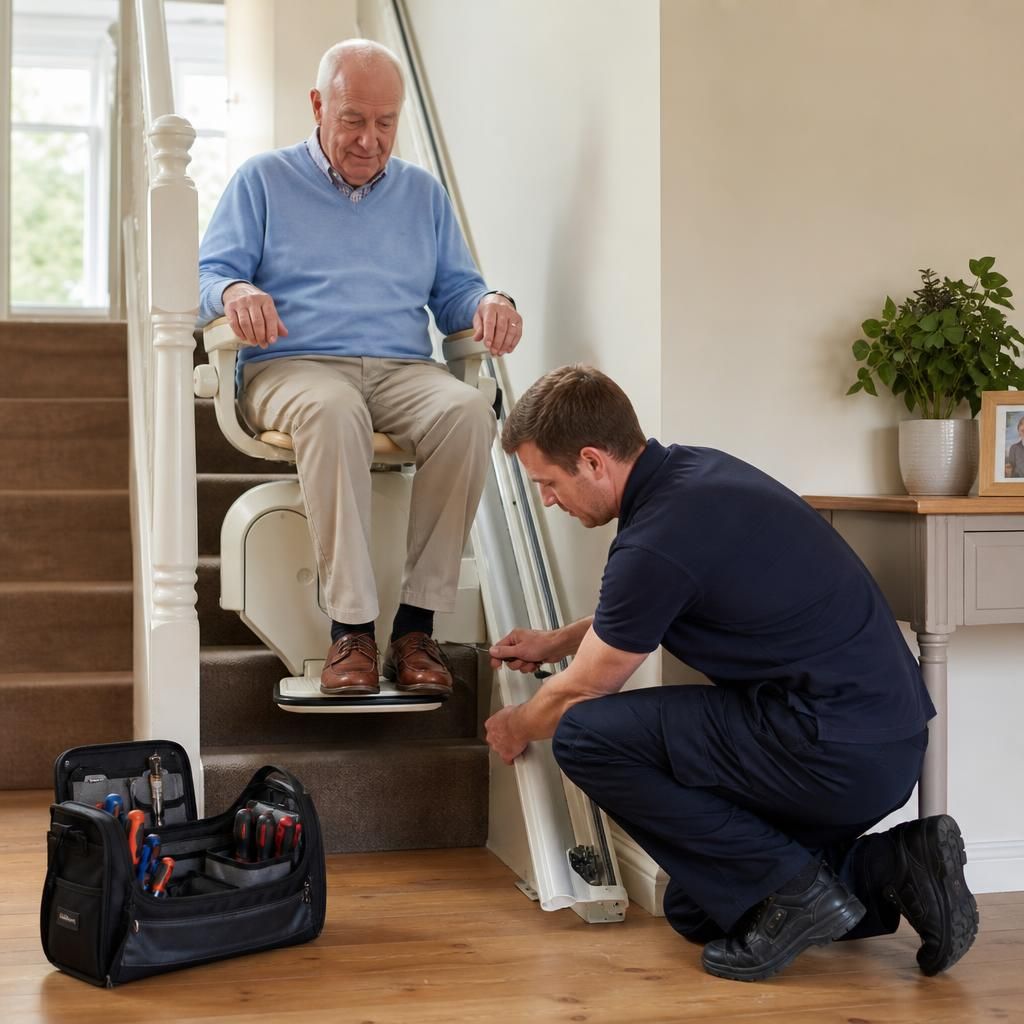
Ask us about Handicare stairlift servicing and ownership costs
Ask Independent Stairlifts for a clear breakdown of Handicare stairlift servicing, warranty cover, battery replacement and potential call-out costs. We can review your circumstances and explain the ownership costs and maintenance arrangements included in your quotation.