
Are reconditioned stairlifts a cost-effective option compared to new models?
Yes, a reconditioned stairlift can be a cost-effective alternative to a new model, particularly where the staircase is straightforward and a suitable lift is available. The overall value depends on its condition, safety checks, warranty, installation requirements and expected servicing costs, so it should be assessed professionally rather than chosen on price alone.
A reconditioned stairlift is a previously used stairlift that has been inspected, cleaned, tested and prepared for installation again. It can be a cost-effective alternative to buying new, especially on a straightforward staircase, but the lowest purchase price does not always represent the best overall value. Condition, suitability, installation, warranty cover and likely servicing requirements should all be considered before making a decision.
Why reconditioned stairlifts can cost less
Reconditioned models are usually less expensive because some components have already been used and the equipment is not being supplied as new. Where a suitable lift is already available for the staircase, this may reduce the cost of the equipment and make it a practical option for customers with a limited budget or a temporary accessibility need.
The potential saving is often more straightforward to achieve with a straight stairlift. Straight rails are designed for a single, uninterrupted flight and may be adaptable between similar staircases, subject to a professional assessment. Curved stairlifts are made to follow the individual shape of a staircase. A reconditioned curved lift may still require a rail manufactured for the property, so the difference in total cost compared with a new model can be less substantial.
What should be included in the price?
Compare complete installed prices rather than the cost of the lift alone. A quotation should make clear whether it includes:
- The stairlift and its rail
- A home assessment and measurements
- Delivery and installation by a suitably trained engineer
- Removal of packaging and, where agreed, an old or unwanted stairlift
- Testing, user instruction and handover
- Warranty cover and the process for reporting a fault
- Any call-out, servicing or battery replacement charges that may apply after installation
A low advertised price may not include installation, alterations, additional visits or warranty cover. Asking for a written breakdown helps you compare like for like and avoids treating a used stairlift as a simple second-hand purchase.
Condition and safety checks matter
A reconditioned stairlift should be assessed before it is offered for reuse. Important checks include the drive system, controls, sensors, charging equipment, seat mechanism, safety belt, armrests, footrest, batteries and rail. Components that are worn, damaged or no longer suitable should be replaced rather than left in service.
The stairlift must also be installed correctly for the property. The engineer should check the position of the charging points, clearances at the top and bottom of the stairs, access around doors and landings, and whether the user can transfer safely to and from the seat. A used model is only a sensible option if it meets the user’s mobility needs and fits the staircase without creating avoidable risks.
Warranty and ongoing costs
Warranty terms can make a significant difference to value. Check how long the cover lasts, which parts and labour are included, whether engineer call-outs are covered, and whether batteries or accidental damage are excluded. A shorter or limited warranty may be reasonable for an older model, but this should be reflected in the price and understood before installation.
Ask about the expected condition of the batteries and the availability of replacement parts. Batteries are consumable items and may need replacing during the life of the stairlift. Older equipment can also require more maintenance, particularly if it has had heavy use or has been stored for a long period. These possible costs should be considered alongside the initial saving.
Routine servicing is not always required at the same frequency for every model, but a service can identify wear before it affects reliability. Keeping the rail clean, following the operating instructions and reporting unusual noises, hesitation or charging problems promptly can help prevent avoidable faults.
Reconditioned compared with new
A new stairlift generally gives you the widest choice of features, seat styles, controls and warranty options. It may be preferable where the user has particular postural or transfer needs, where the staircase is complex, or where a long period of dependable use is expected. A new model can also be specified more precisely for the person and the home.
A reconditioned stairlift may offer better value where the required features are standard, the user’s needs are clear, the staircase is suitable and the equipment has been properly prepared and supported. It can be particularly appropriate when keeping the initial cost down is important, provided that the warranty and aftercare are adequate.
Neither option is automatically better. The right comparison is between the total installed cost, expected service life, warranty protection, suitability and likely future repairs. For example, a reconditioned lift with a limited warranty may not be better value than a new model if it needs early battery replacement or repeated call-outs. Conversely, a well-maintained reconditioned lift with comprehensive checks and suitable cover may provide reliable access at a lower overall cost.
Questions to ask before choosing a reconditioned stairlift
- Has the stairlift been fully inspected and safety tested?
- Which parts have been replaced or refurbished?
- Is the rail suitable for this exact staircase?
- How old is the stairlift, and how heavily was it previously used?
- What is included in the installation price?
- What does the warranty cover, and who provides the aftercare?
- Are batteries, servicing and engineer call-outs included or charged separately?
- Will the controls, seat and safety features suit the intended user?
- What happens if the lift develops a fault shortly after installation?
A professional assessment is the most reliable way to establish whether a reconditioned model is suitable. It should consider the staircase, the user’s current mobility and any likely changes in their needs, rather than matching a lift on price alone. A clear quotation can then show whether reconditioned equipment provides a genuine saving compared with a new stairlift and whether that saving justifies any differences in specification or warranty.
In summary, reconditioned stairlifts can be cost-effective when they are correctly matched to the staircase, thoroughly checked, professionally installed and supported by appropriate warranty and servicing arrangements. If the equipment is unsuitable, poorly maintained or offered without clear aftercare, the apparent saving may be outweighed by additional repairs or replacement costs.
A reconditioned stairlift is cost-effective when its lower purchase price is matched by reliable condition, suitable installation and adequate aftercare. Compare the complete installed cost with a new model, including the rail, fitting, safety checks, warranty and any likely battery or servicing charges.
Before choosing, confirm that the stairlift has been professionally inspected and tested, that worn parts have been replaced and that it suits both the staircase and intended user. A clear warranty covering parts and labour can make a reconditioned model a sensible choice; limited cover or uncertain repair costs may reduce the value of the initial saving.
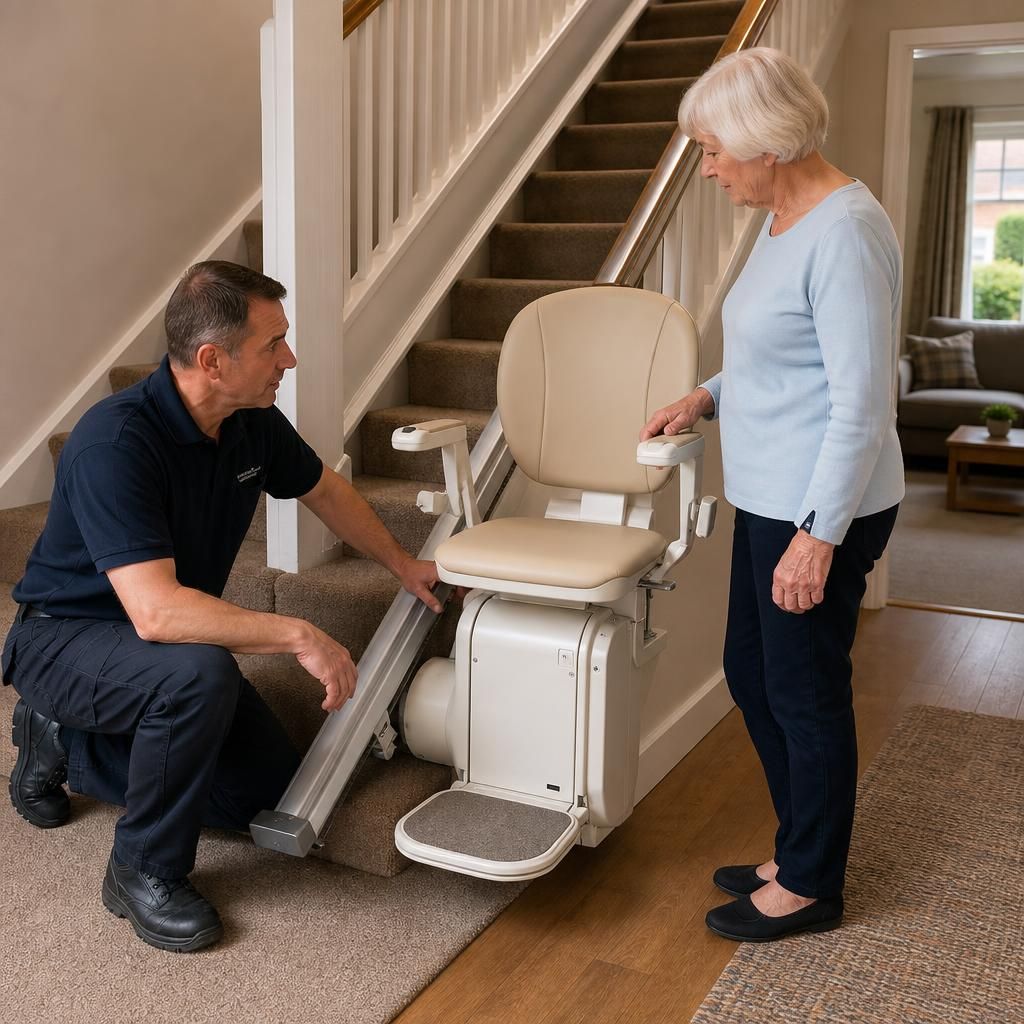
Find out whether a reconditioned stairlift suits your home
Arrange a home assessment to find out whether a reconditioned stairlift is suitable for your staircase, mobility needs and budget. We can compare suitable reconditioned and new options, including installation, warranty and aftercare.