
What steps are involved in preparing my home for the removal of a second-hand stairlift?
Preparing your home for second-hand stairlift removal involves clearing the stairs and access routes, removing personal belongings, and identifying any areas that may need protection during the work. Our removal team will confirm the arrangements with you beforehand and safely disconnect and remove the stairlift, leaving the area tidy.
Preparing your home for second-hand stairlift removal mainly involves clearing the staircase and access routes, protecting nearby belongings, and making sure the removal team can work safely. Before the appointment, we will confirm the arrangements with you, explain anything that needs to be done in advance, and identify any access or installation issues that could affect the work.
Before the removal visit, please take the following steps:
- Clear the staircase. Remove shoes, ornaments, toys, furniture and other items from the stairs, landings and areas immediately beside the track. This gives the installer a safe working area and reduces the risk of items being knocked or damaged.
- Keep access routes unobstructed. Clear the route from the entrance to the stairlift and ensure doors can be opened fully where necessary. If the stairlift is being removed from an upper floor, the team may need space to carry equipment and components through the property.
- Remove or protect personal belongings. Take down fragile pictures, mirrors and ornaments close to the staircase. Cover or move furniture, floor coverings and other items that could be affected by dust, contact with equipment or movement through the home.
- Secure pets and make arrangements for other occupants. Keep pets away from the work area and consider where children, visitors or anyone with limited mobility can stay while the removal is taking place. The stairs may not be usable during part of the appointment.
- Tell us about any access concerns. Let us know beforehand about narrow hallways, difficult parking, locked gates, steps to the entrance, restricted access, unusual stair layouts or items that cannot be moved. This allows the team to plan the removal properly and bring suitable equipment.
- Identify the electrical supply. The stairlift must be safely isolated before it is disconnected. If you know where the charging point or electrical connection is located, tell the removal team when they arrive. Do not attempt to disconnect the stairlift or alter its wiring yourself.
- Make sure someone is available. An adult should normally be present to provide access, confirm the stairlift being removed and discuss any concerns. If you cannot attend, agree suitable arrangements with us in advance.
On the day, the removal team will usually:
- Confirm the stairlift, access arrangements and the agreed scope of work.
- Inspect the stairlift, track, fixings, charging points and surrounding area before starting.
- Isolate the power supply and remove the stairlift using safe working procedures.
- Take out the track and associated components where included in the agreed removal.
- Check the staircase and surrounding area for any obvious issues caused by the installation or removal.
- Remove the stairlift components from the property and leave the work area reasonably tidy.
Most stairlifts are secured to the stairs rather than the wall, but the exact fixing method varies by model and installation. Removing the equipment may leave small fixing holes or marks where brackets, charging points or other components were installed. The condition of the stairs, wall, flooring and paintwork can also affect the final appearance. We will discuss any relevant condition issues with you, but decoration, filling, plastering and making-good work are not automatically included unless specifically agreed.
If the stairlift is old, damaged, heavily soiled or not working, removal may require additional care. For example, a failed lift may not be able to travel to a convenient position, and damaged batteries or controls may need to be handled separately. Tell us about known faults before the visit and do not try to operate a stairlift that appears unsafe. This information helps us assess the risks and plan the work appropriately.
Once the stairlift has been removed, check that the stairs, landing and access route are clear before using them normally. If you notice a loose fitting, exposed cable, damaged surface or another concern, do not use the affected area until you have spoken to us. Any items you want retained, such as a charging socket or particular fittings, should be identified before removal begins.
Preparing the route and protecting belongings is usually all that is required from you. The removal team is responsible for disconnecting and dismantling the stairlift safely; you should not attempt to remove the equipment yourself, as it can be heavy and may remain connected to electrical or battery systems.
Clearing and protecting the route to the stairlift is the most important preparation for removal. Remove belongings from the stairs, landings and nearby floors, and create a clear path from the entrance to the stairlift. This gives the removal team room to handle the lift and track safely as they move components through your home.
Move fragile ornaments, pictures and furniture away from the work area, or cover items that cannot be moved. Keep pets, children and anyone who may need the stairs away from the area during the appointment, as the staircase may be temporarily unavailable. If access is restricted by narrow hallways, locked gates, difficult parking or items that cannot be moved, tell us before the visit so the removal can be planned appropriately.
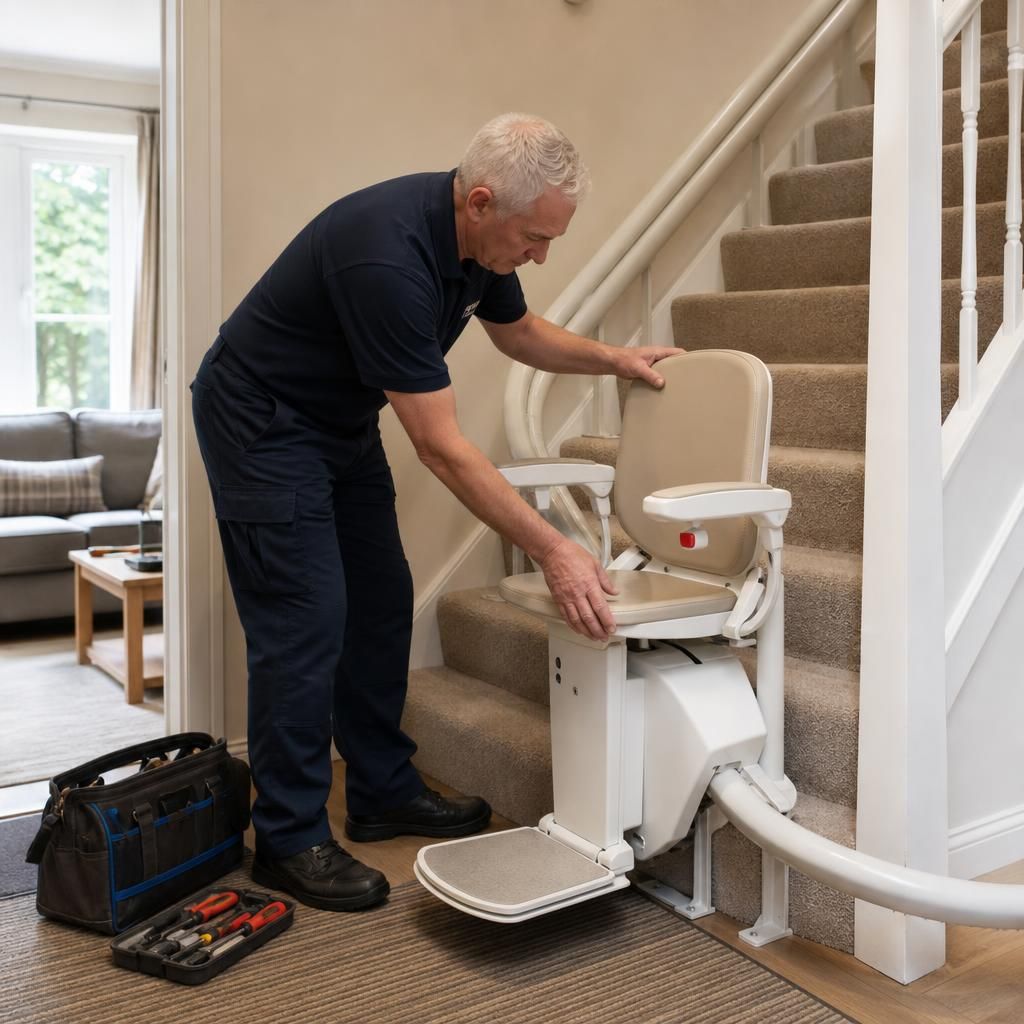
Arrange Your Stairlift Removal Assessment
Arrange your stairlift removal assessment with Independent Stairlifts so we can review the equipment, access arrangements and preparation required before the visit.