
What factors should I consider when scheduling regular servicing for my Stannah stairlift to ensure minimal disruption to my daily routine?
Schedule regular Stannah stairlift servicing at a time when the lift is least needed, allowing for the engineer’s arrival, inspection and any minor adjustments or repairs. Consider your daily routine, access to the stairs, household support, the stairlift’s service interval and whether replacement parts may need to be ordered, then agree an appointment with Independent Stairlifts in advance.
To minimise disruption, schedule your Stannah stairlift service for a period when it is least needed, while allowing enough time for the engineer to complete the inspection and deal with any adjustments or repairs. The most suitable appointment depends on your usual travel between floors, the availability of someone to assist you, the lift’s recommended service interval and whether replacement parts might be required.
Regular servicing should be planned before the service becomes overdue rather than waiting for a fault. Check the service recommendations for your particular Stannah model and contact Independent Stairlifts in good time to discuss suitable dates. Keeping the lift within its recommended servicing schedule supports safe, dependable operation and makes it easier to arrange an appointment around your routine.
Consider these factors when choosing an appointment:
- When the stairlift is used least: Avoid times when you normally travel upstairs for washing, sleeping, meals or medication. If you rely on the stairlift throughout the day, a shorter period of reduced use may be preferable to an appointment during an important part of your routine.
- Your personal mobility needs: Consider whether you can safely use the stairs without the lift, even for a short time. If not, arrange for a family member, carer or other suitable support to be present, or tell the servicing team when booking so the appointment can be planned appropriately.
- Other people in the household: Take account of anyone else who uses the stairlift, including visitors, carers and relatives. Let them know when it may be unavailable and agree an alternative way to move between floors if necessary.
- Access to the staircase: The engineer will need clear access to the stairlift, its track, charging points and relevant controls. Remove items from the stairs and landings, and make sure pets and other household activities will not obstruct the inspection.
- The possibility of additional work: A routine service may identify a worn component, adjustment or fault that needs attention. Ask whether the initial appointment is likely to include minor remedial work and whether parts may need to be ordered. If further work is required, agree how long the lift might be unavailable and whether a separate visit will be needed.
- Appointment flexibility: A first or last appointment of the day can sometimes make it easier to plan around meals, care visits and other commitments. Discuss your preferred time when booking rather than assuming the engineer’s visit will fit around your routine.
Before the appointment, make a note of any changes in performance. Relevant details include unusual noises, slower movement, hesitation when starting or stopping, difficulty charging, unexpected warning tones, or occasions when the lift has stopped. Tell the adviser about these symptoms when arranging the service. This helps the engineer prepare and may reduce the likelihood of a second visit.
It is also useful to have the stairlift’s model information and any previous service or repair details available. If the lift has recently shown a fault, explain when it occurred and whether it happens in one direction, at a particular point on the track or only when the lift is carrying a user. Do not attempt to dismantle or repair the stairlift yourself, as this may create a safety risk and could make diagnosis more difficult.
On the day, keep the staircase and both landings accessible. The engineer will typically need to operate the lift, inspect its safety systems and examine components such as the track, seat, controls, batteries and charging arrangements. You may need to avoid using the stairs while the inspection or testing is taking place. If the stairlift is your main means of access, ask the engineer how long it is expected to be out of use before work begins.
If replacement parts are needed, ask whether the lift can remain in safe use until they arrive. This decision depends on the fault and must be made by a suitably qualified technician; do not continue using the stairlift if you have been advised that it is unsafe. Where a return visit is necessary, arrange it promptly and choose a time that causes the least inconvenience, while avoiding unnecessary delay to safety-related work.
After servicing, ask what was checked, whether any adjustments or parts were made, and whether there are operating or charging instructions to follow. Confirm the recommended date or period for the next service and make a note of any condition that should be monitored. Keeping the service record and reporting new symptoms early can help the next appointment run more efficiently.
For most households, the best approach is to book in advance, choose a low-demand period, prepare clear access and explain any mobility or care requirements at the time of booking. Independent Stairlifts can then help coordinate the visit around your daily routine while ensuring that safety concerns and necessary maintenance are not postponed simply for convenience.
Choosing a low-demand time and preparing clear access to the stairlift are the most effective ways to minimise disruption during regular servicing. Before the appointment, avoid scheduling it around essential trips between floors, care visits or medication routines, and tell Independent Stairlifts about any periods when the lift cannot be unavailable.
Keep the staircase, landings, track and charging points unobstructed so the engineer can work efficiently. Explain any unusual noises, hesitation, charging problems or warning tones when booking; this may help the technician bring suitable parts and reduce the likelihood of a further visit. If the stairlift is your main means of access, arrange appropriate support while it is being inspected or repaired, and confirm how long it is expected to be out of use.
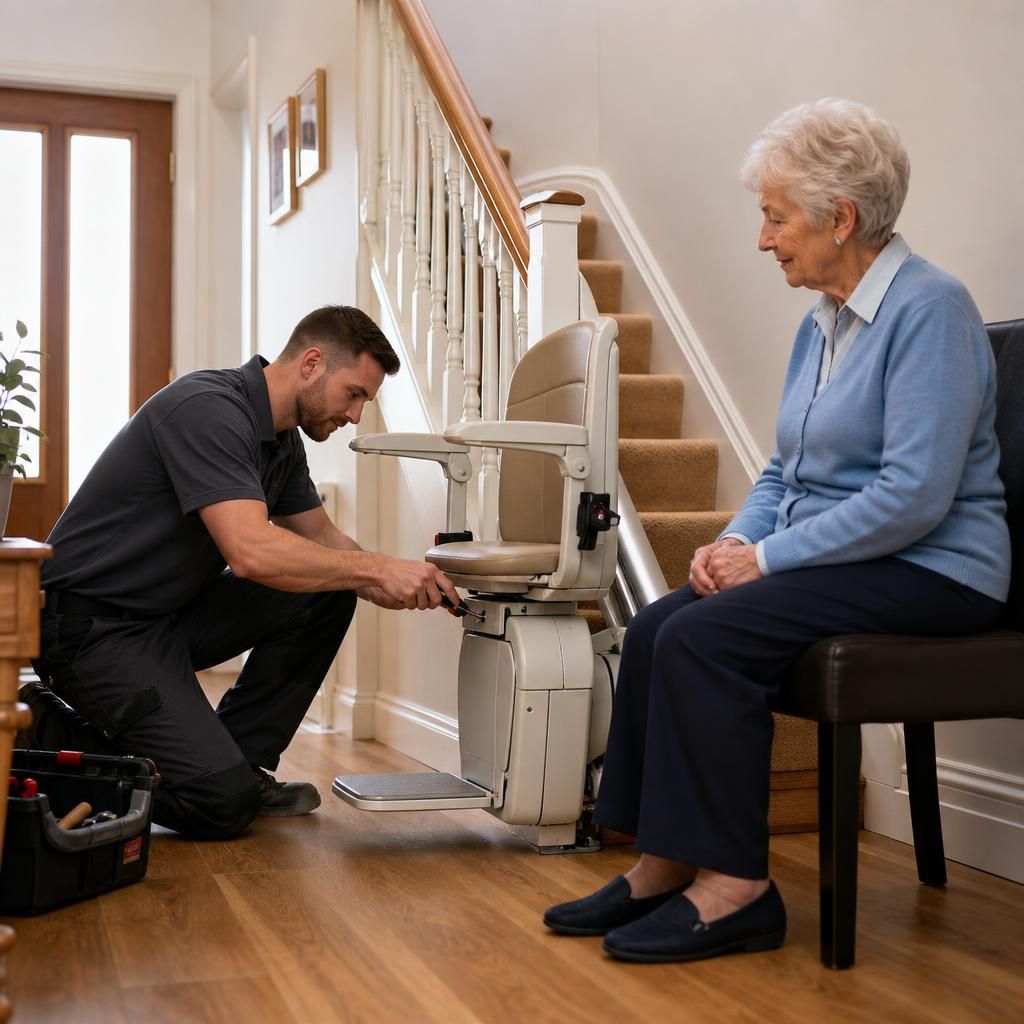
Book Your Stannah Stairlift Service at a Convenient Time
Contact Independent Stairlifts to arrange your Stannah stairlift service at a convenient time and discuss any access or mobility requirements. Let us know about unusual noises, warning tones or charging problems when booking so the technician can plan the visit appropriately.