
What steps can I take to ensure the longevity and efficiency of my mobility bed or bath lift?
To extend the life and efficiency of your mobility bed or bath lift, follow the manufacturer’s operating and cleaning guidance, keep moving parts and controls free from damage or obstruction, and arrange servicing at the recommended intervals. Check the equipment before use, report unusual noises, reduced movement or faults promptly, and ensure batteries, chargers and safety features are inspected by a qualified technician.
To extend the life and efficiency of a mobility bed or bath lift, use it only as instructed, keep it clean and dry, carry out basic checks before use, protect its electrical and moving components, and arrange servicing at the intervals recommended by the manufacturer. Promptly reporting unusual noises, slower movement, loss of power or damaged parts helps prevent minor faults from becoming safety issues.
Follow the operating instructions. Each mobility bed and bath lift has specific limits for user weight, positioning, charging, cleaning and adjustment. Use the equipment only for its intended purpose and do not exceed the stated safe working load. Avoid forcing a control, moving a component beyond its normal range or allowing another person to operate the equipment without suitable instruction. If the equipment is shared, make sure every user or carer understands the controls and emergency procedures.
Complete a visual check before use. Look for loose fixings, damaged covers, exposed wires, cracked plastic, frayed straps, missing clips or changes in the position of safety components. Check that the bed frame, mattress platform, side rails, bath lift seat and transfer flaps are secure before transferring. Make sure castors or brakes on a mobility bed are set correctly where applicable, and keep the surrounding floor clear so the equipment can move without obstruction.
Operate the equipment through its normal movement while unoccupied if this is permitted by the manufacturer. Watch for hesitation, uneven lifting, unexpected stops, excessive vibration or unusual sounds. Do not continue using the equipment if it tilts unexpectedly, fails to reach its normal position or behaves differently from usual. Lower or secure it safely if possible, keep the user away from further risk and contact a qualified servicing provider.
Protect the electrical system. Keep handsets, chargers, plugs and control boxes away from standing water, splashes and cleaning fluids. Do not place cables where they can be trapped by the bed frame, caught in castors or damaged during adjustment. Use the supplied charger and power supply, charge the equipment according to the instructions and avoid using damaged batteries or cables. Do not open a battery pack, control box or actuator yourself; these components may require specialist testing and replacement.
For a bath lift, charge the battery in the correct dry location rather than in the bathroom if the instructions require this. Check that the charging connection is clean and dry before charging. A bath lift that has lost capacity, stops during operation or does not complete its normal cycle needs assessment rather than repeated charging attempts. Never use a bath lift while it is connected to a charger unless the manufacturer specifically states that this is safe.
Keep the equipment clean using approved methods. Follow the manufacturer’s guidance for detergents, disinfectants, water temperature and drying. Wipe down a mobility bed frame, mattress platform, handset and accessories regularly, paying particular attention to areas that collect dust or body fluids. Use a suitable waterproof mattress cover where recommended, and replace damaged or deteriorated covers promptly. Do not saturate motors, control boxes, electrical connections or handsets.
After using a bath lift, clean the seat, backrest, side flaps, transfer handles and belt as instructed. Rinse away soap residue and dry the surfaces thoroughly to reduce staining, odours and deterioration. Avoid abrasive pads, harsh chemicals and unapproved oils, as these can damage surfaces, seals or moving parts. Do not use a bath lift if its surface has become cracked or if a belt, buckle or transfer flap is no longer secure.
Keep moving parts free from obstruction. Do not store personal items beneath an adjustable bed or place towels, clothing or bathroom products where they could interfere with the lifting mechanism. Check that cables, side rails and accessories remain clear during adjustment. Do not apply lubricant unless the manufacturer or servicing technician specifically recommends it. The wrong lubricant can attract dirt or affect components that are designed to operate without lubrication.
Position a mobility bed on a suitable, level surface and avoid dragging it across thresholds or uneven flooring. When moving it, use the method described in the instructions and protect the castors, frame and cables. Do not lift a heavy bed or bath lift without appropriate assistance. If the equipment is being relocated, ask for advice before disconnecting or reassembling it.
Use safety features correctly. Keep bed side rails, brakes, emergency lowering functions, safety belts and handset locks in their intended condition. A safety feature should not be tied back, bypassed, removed or modified to make the equipment easier to use. Check that side rails latch securely and that a bath lift belt fastens and releases correctly without excessive force. Carers should assess the user’s ability to operate the handset and should keep controls accessible without leaving cables across transfer routes.
Make sure the user is positioned centrally and comfortably before raising, lowering or reclining the bed. For a bath lift, follow the recommended transfer method, keep the user seated in the correct position and do not lean over the side flaps while the lift is moving. If the user’s condition, weight, balance or transfer ability changes, request a reassessment rather than adapting the equipment yourself.
Arrange planned servicing. A qualified technician can inspect actuators, motors, batteries, chargers, electrical connections, frames, fixings, brakes, belts and emergency systems in a way that routine household checks cannot. Follow the servicing interval in the manufacturer’s instructions and arrange an earlier inspection if the equipment is used heavily, has been stored for a prolonged period, has been exposed to water incorrectly or has suffered impact or a spill.
Keep a simple record of servicing, repairs, battery changes and any recurring fault. This helps identify gradual changes in performance and provides useful information to the technician. Use genuine or approved replacement parts that are compatible with the specific model. A part that appears similar may not have the correct load rating, connection or safety specification.
Report faults promptly. Contact the servicing provider if you notice reduced lifting capacity, a shorter operating cycle, intermittent controls, a battery that will not hold charge, fluid near an actuator, a damaged frame, loose fixings, a torn belt or a change in the equipment’s stability. Stop using it where continued operation could endanger the user. Do not attempt electrical repairs, weld a frame, alter the control system or dismantle a bath lift without appropriate technical authorisation.
Finally, keep the manufacturer’s instructions, service details and emergency contact information where carers can find them. Make sure the area around the equipment remains dry, uncluttered and suitable for transfers, and review its condition whenever the user’s needs or home environment changes. Consistent cleaning, careful operation and professional servicing will help the mobility bed or bath lift remain reliable while reducing avoidable wear and safety risks.
Regular professional servicing is one of the most effective ways to preserve the safety, reliability and efficiency of a mobility bed or bath lift. A qualified technician can inspect components that are not covered by routine cleaning, including motors, actuators, batteries, chargers, electrical connections, brakes, belts, fixings and emergency-lowering systems.
Follow the manufacturer’s recommended service interval and arrange an earlier inspection if the equipment has been heavily used, stored for a long period, exposed to water incorrectly or damaged. Report reduced movement, unusual noises, intermittent controls, loss of battery capacity, instability or damaged safety parts promptly. Stop using the equipment if continued operation could put the user at risk, and never attempt electrical repairs or alterations yourself.
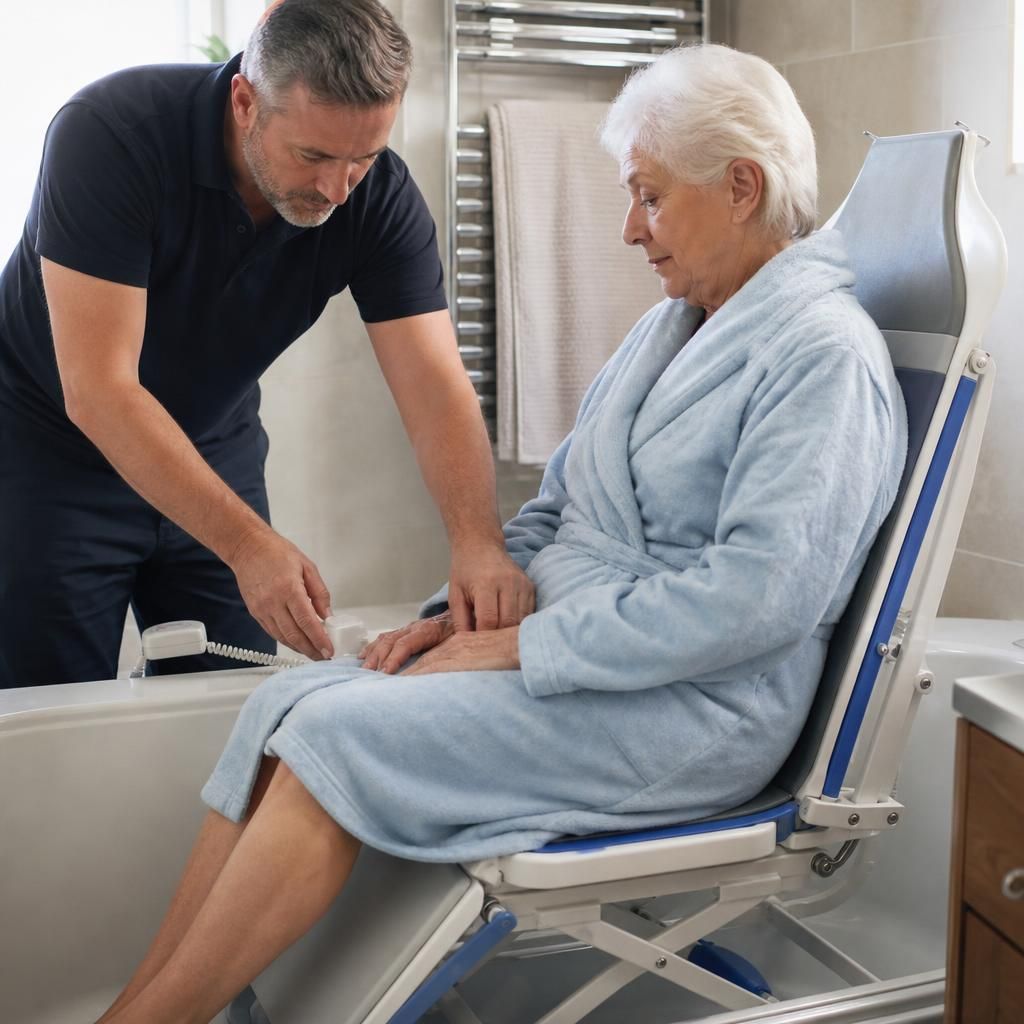
Arrange Your Mobility Bed or Bath Lift Service
Arrange your mobility bed or bath lift service with Independent Stairlifts to help identify wear, check safety features and maintain reliable operation. Contact our team to discuss your servicing requirements.