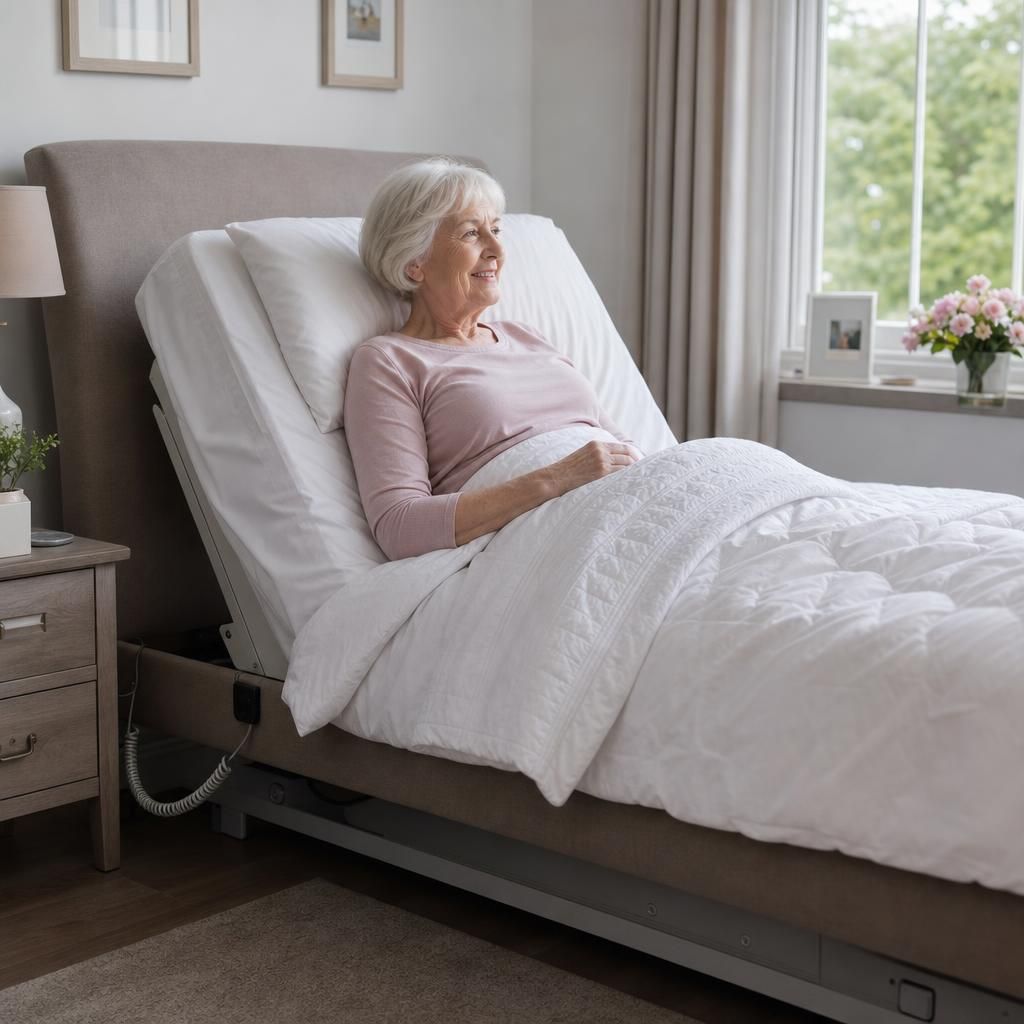
Sit up with less effort
A profiling backrest can raise the upper body from a flat sleeping position to a more upright posture. This can make reading, taking medication or preparing to stand more manageable without relying solely on arm strength.

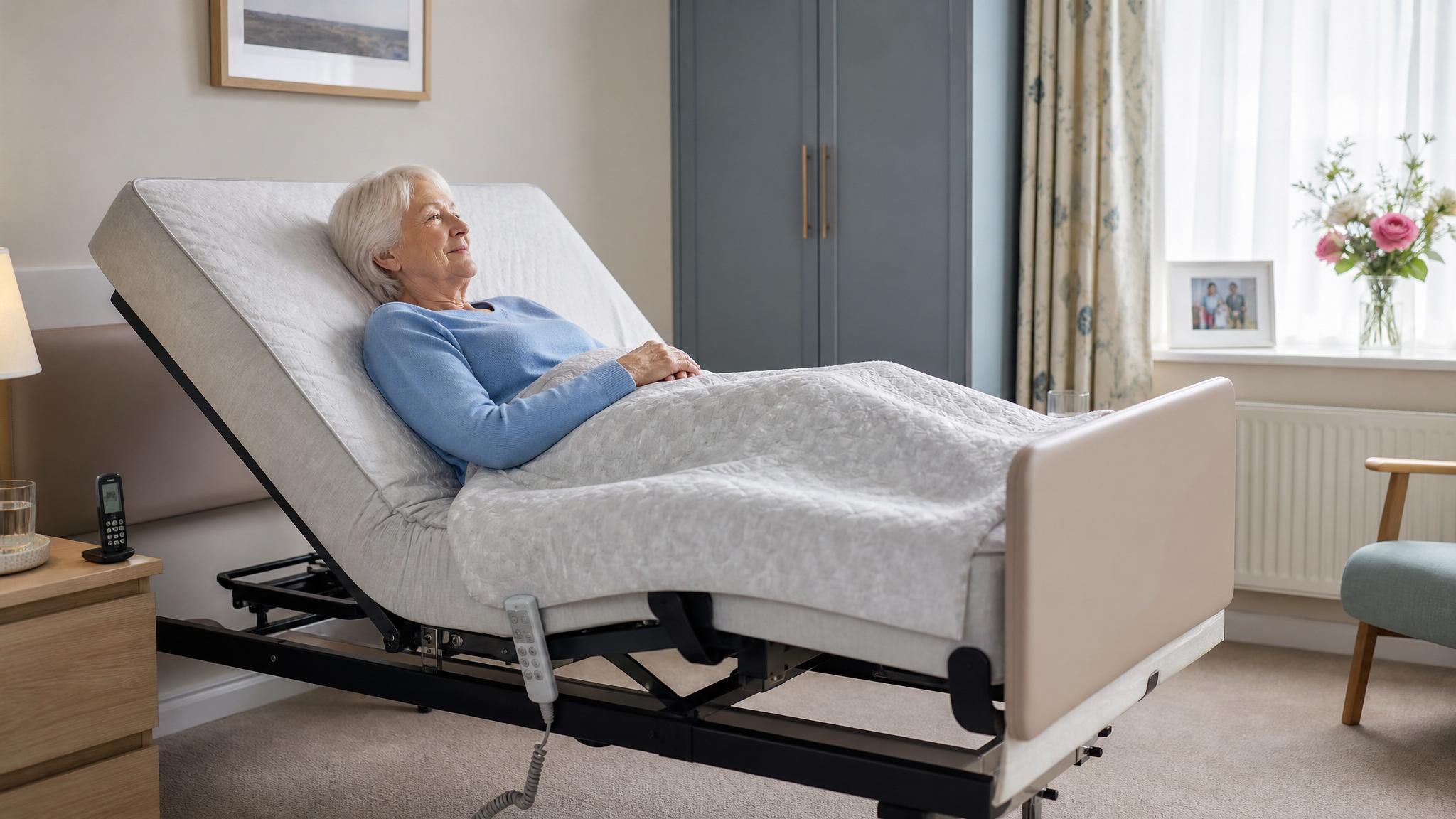
Mobility beds are adjustable electric beds designed to help older and disabled people change position, get in and out safely, and rest comfortably. Features such as a profiling mattress platform, handset controls and variable height can support everyday independence.
A profiling backrest can raise the upper body from a flat sleeping position to a more upright posture. This can make reading, taking medication or preparing to stand more manageable without relying solely on arm strength.
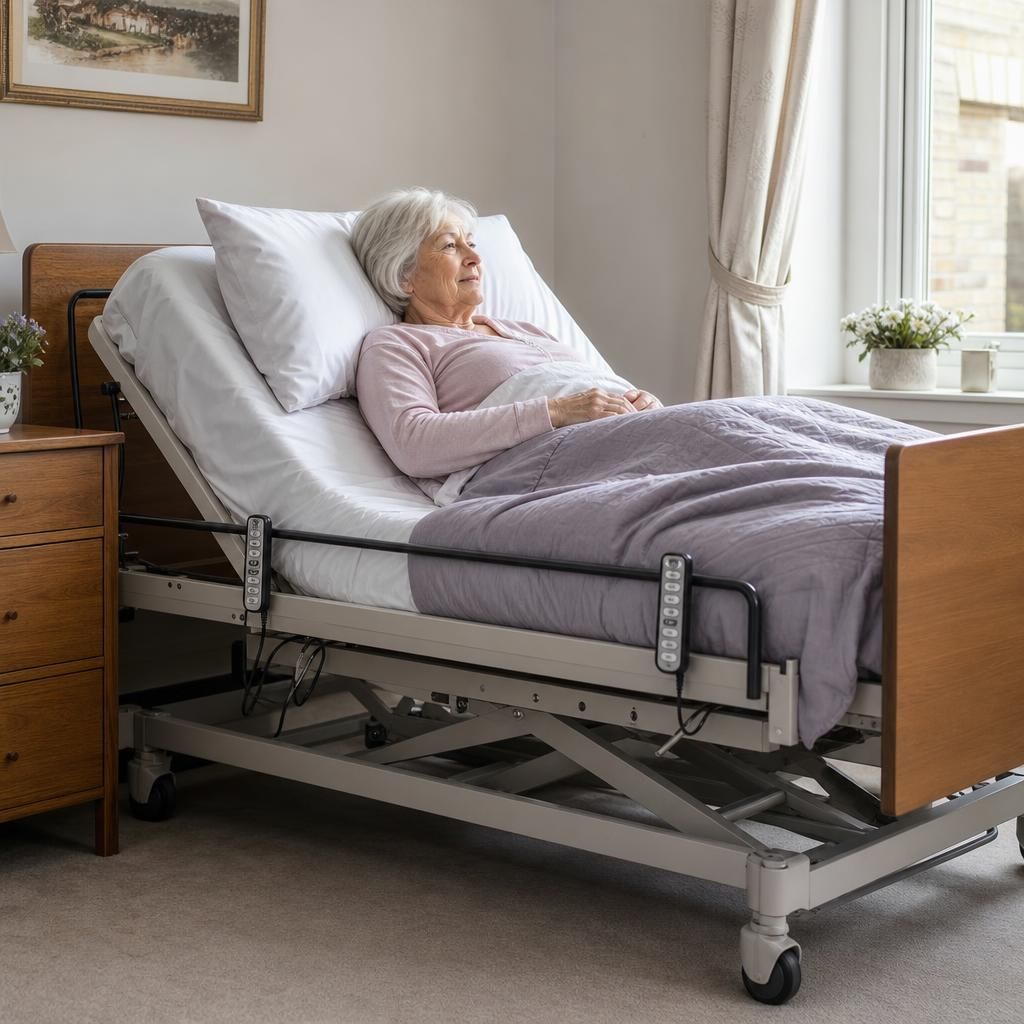
Variable-height adjustment allows the bed platform to be positioned for easier transfers. The most suitable setting depends on the person’s leg strength, balance, transfer method and whether a carer provides assistance.

Raising the bed can reduce the distance between the mattress and standing position, while a firm mattress and clear space beside the bed can help with controlled transfers. A professional assessment should consider the user’s usual technique and available support.
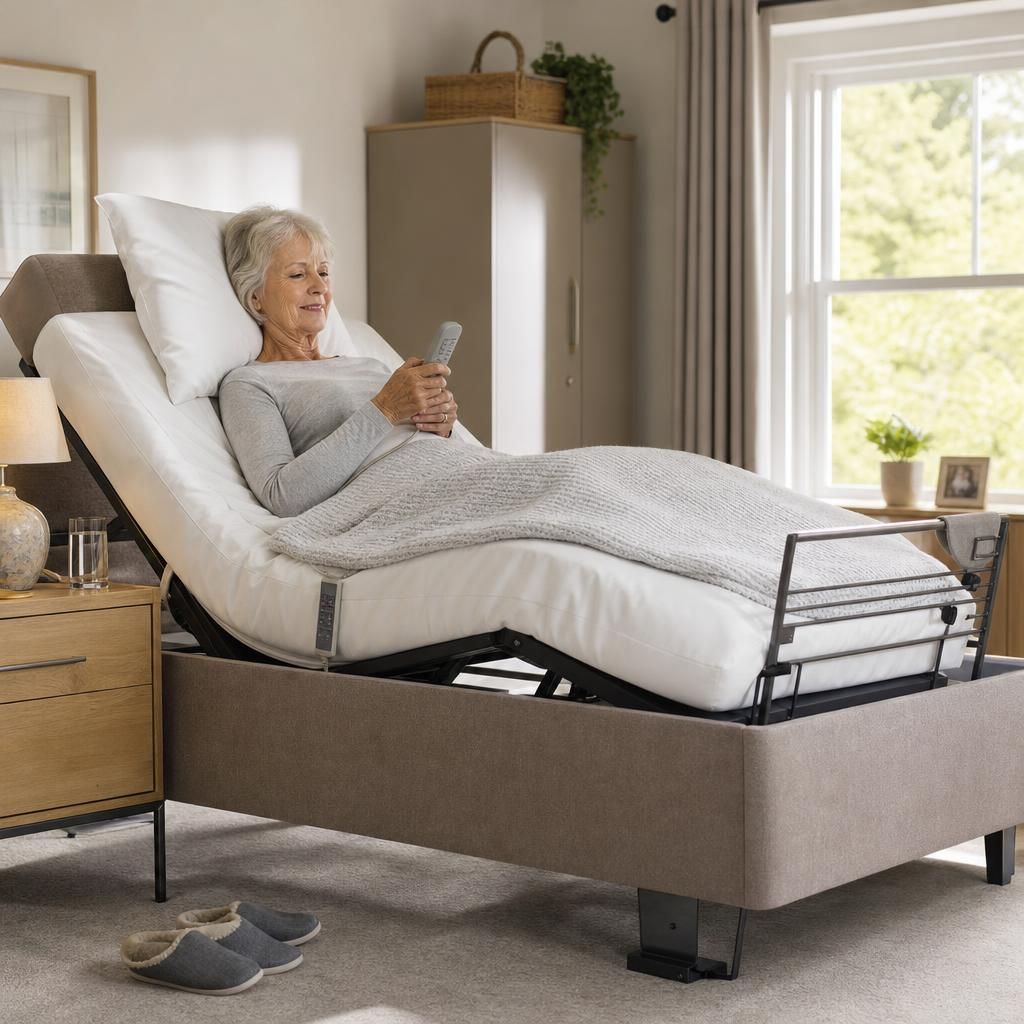
Adjustable leg and back sections allow the user to vary their resting posture during the day. This can be useful when sitting up for activities or reducing the need to remain in one fixed position for long periods.
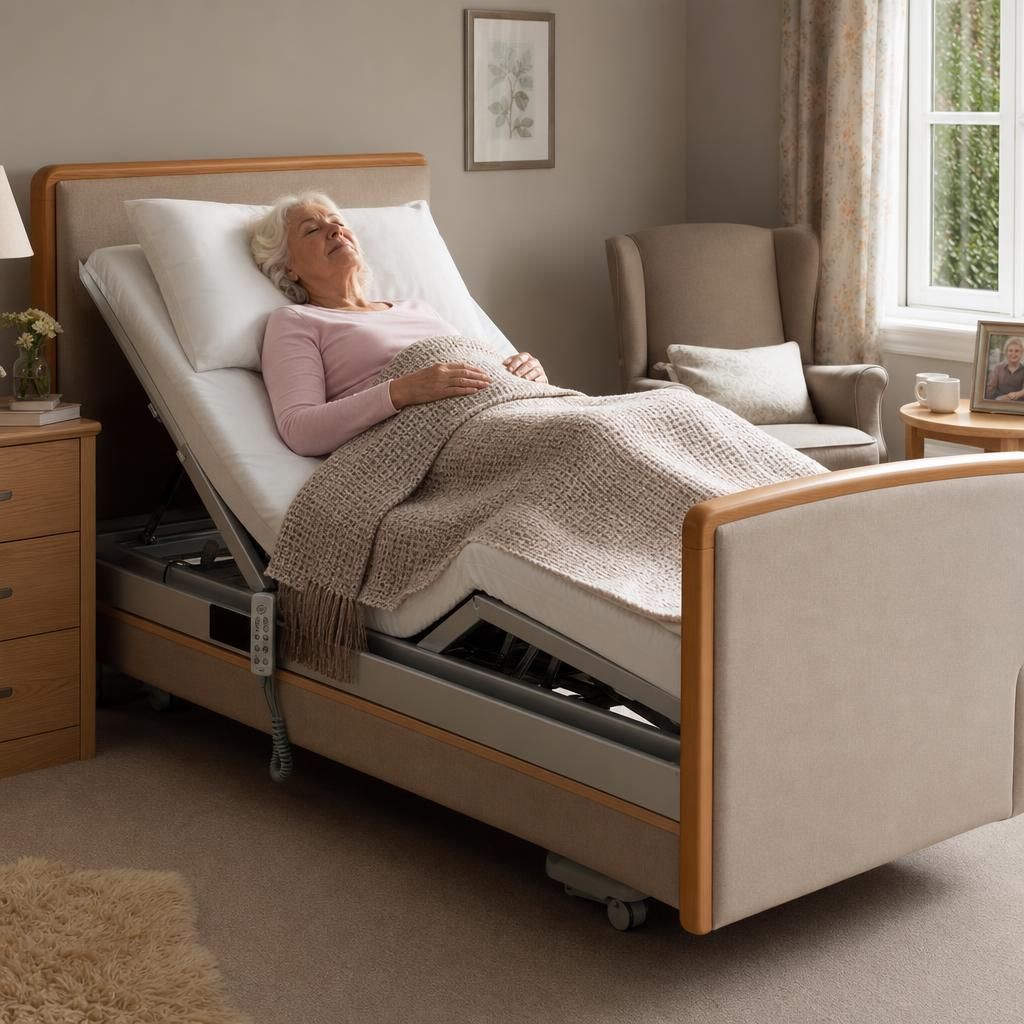
Mobility beds are available in designs intended for different bedroom layouts and levels of assistance. Measurements should include the bed frame, mattress, handset position, transfer space and room for carers to work safely.
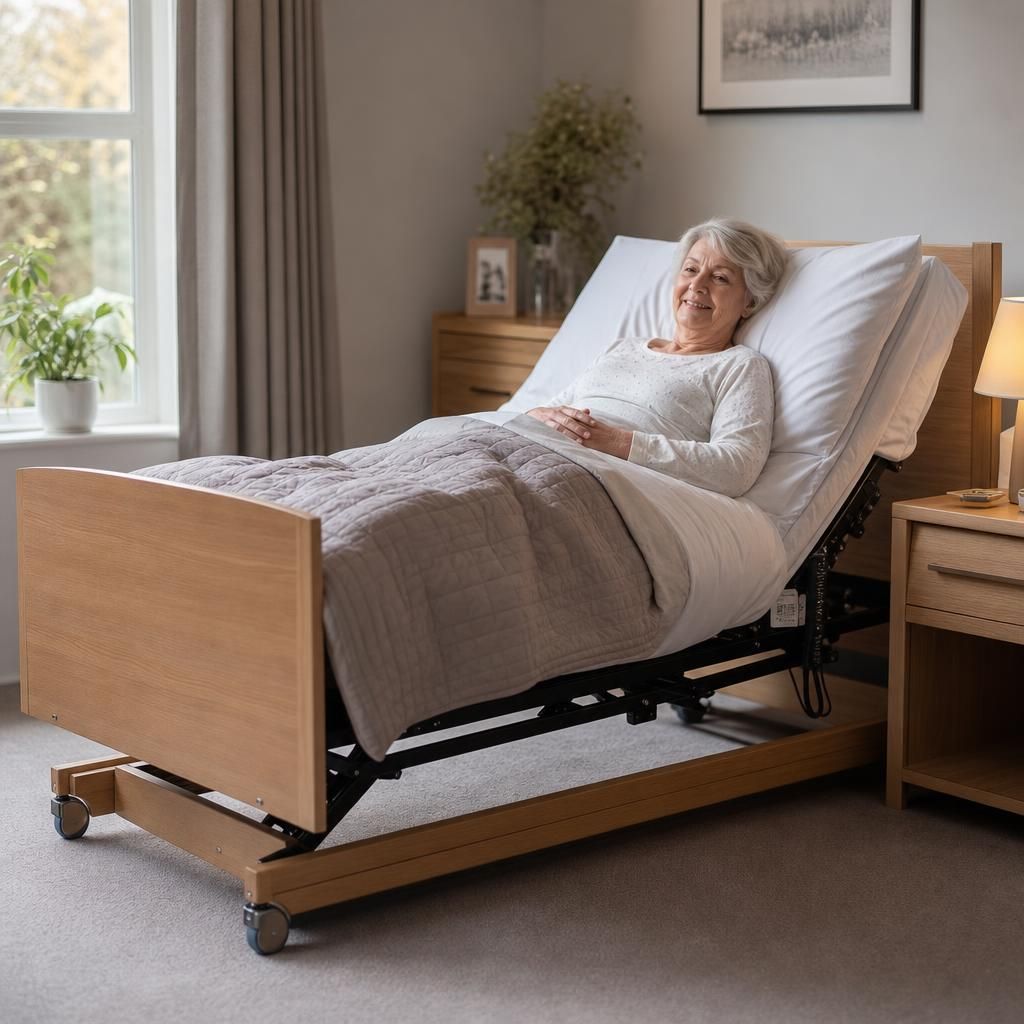
Handset controls should be easy for the user to identify, hold and operate. During an assessment, check whether the control layout, cable position and available adjustments match the user’s dexterity, eyesight and preferred sleeping position.
Our mobility bed service starts with an assessment of the user, bedroom layout and transfer needs, followed by clear advice on suitable adjustable bed features, mattress compatibility and safe positioning. Installation includes checking the frame, handset, moving parts and surrounding space, with practical guidance for the user and carer.
We explain the agreed work, costs, warranty terms and aftercare before proceeding. If a fault develops, contact us promptly so we can assess the problem, advise whether it needs repair or servicing, and arrange the appropriate support without leaving you uncertain about the next step.
A mobility bed needs to suit the user’s movement, transfer method, room layout and existing mattress or accessories. We discuss these practical requirements before recommending a particular design.
We consider the user’s height, mobility, preferred sleeping position, ability to operate the handset and whether assistance from a carer is required. We also check available floor space, door access, power supply and clearance around the bed so the chosen equipment can be used safely in the bedroom.
Warranty cover depends on the mobility bed, supplier and agreed terms. We explain what is included before the order is confirmed, so you can make a properly informed decision.
Your quotation and supporting information should set out the applicable warranty period, covered components, exclusions and the process for reporting a fault. Keep these documents available after installation and contact us if you need help interpreting the cover or deciding whether an issue should be treated as a warranty matter.
If an adjustable bed stops working correctly, avoid forcing the frame or repeatedly operating the controls. Contact us with details of the problem so we can establish the appropriate next step.
We may ask what movement has stopped, whether the handset responds and whether there are any unusual sounds or visible damage. Depending on the symptoms and warranty position, we can advise on safe checks, arrange servicing or organise a repair assessment. If the bed is the user’s main means of getting in or out, tell us when reporting the fault.
Installation is more than assembling the frame. The bed must operate correctly in its final position, with suitable clearance for movement and safe access for the user and carer.
Before handover, the frame, profiling sections, handset and moving parts are checked for correct operation. We also review cable positioning, surrounding furniture, access routes and the user’s method of transferring on and off the bed. We explain the controls and any relevant precautions, and identify questions that should be raised before the equipment is used independently.
Regular attention can help identify wear, control problems or movement issues before they affect everyday use. Servicing needs vary according to the equipment, frequency of use and manufacturer guidance.
Keep the bed area clear, follow the operating instructions and report changes such as uneven movement, damaged cables or a handset that becomes unreliable. We can discuss servicing or repair requirements and advise whether the bed, mattress and accessories remain suitable as the user’s needs change.
Look for beds that offer customisable height adjustments, not just head and foot elevation, to ensure they support specific medical needs and improve ease of getting in and out of bed.
Electric mobility beds enhance sleep quality by adjusting to alleviate conditions such as arthritis or back pain, ensuring optimal positioning for pressure relief, circulation improvement, and reduced discomfort.
Regularly inspect mechanical parts and connections for wear, keep the bed clean and free of dust, and follow manufacturer guidelines for servicing schedules to ensure lasting reliability and optimal functionality.
Select a mattress that supports pressure relief and maintains comfort in varied bed positions, ensuring compatibility with adjustability features, user health needs, and individual sleep preferences for optimal rest and well-being.
Advanced safety features, like automatic stoppage sensors and anti-entrapment mechanisms, enhance user protection and peace of mind, ensuring safe and secure operation for individuals with varying mobility and health conditions.
A mobility bed is an electrically adjustable bed that raises, lowers and profiles to support safer transfers, positioning and rest for older or disabled users. The correct model depends on mobility, height, mattress needs, bedroom space and whether a carer provides assistance.
Arrange an assessment before buying or hiring to confirm safe clearances, suitable functions and installation requirements.
Choose a mobility bed around how the user gets in, out and changes position, rather than selecting features in isolation.
The mattress must flex safely with the profiling platform and suit the user’s weight, posture and pressure-care requirements.
Confirm there is enough room for transfers, walking aids, carers and the bed’s movement without obstructing doors or furniture.
A clear handset and accessible control layout help the user adjust the bed independently or allow a carer to assist safely.
Before ordering, check what installation includes, how faults are reported and which servicing or warranty support is available.
Choosing a mobility bed can improve positioning, transfers, comfort and carer access when its functions match the user’s needs. The following benefits explain what adjustable electric beds can provide and what to confirm before arranging an assessment, purchase or hire.
Adjust the bed without manual lifting
Electric controls allow the user or carer to raise the backrest, leg section or overall bed height without repeatedly turning a heavy mattress or using manual adjustments. This makes routine changes easier to manage.
Make getting into and out of bed more manageable
Variable height can bring the mattress closer to a suitable transfer level, while a raised backrest can help the user move from lying to sitting. The correct setting depends on the person’s strength, balance and transfer method.
Support safer carer assistance
Raising the bed to a practical working height can reduce the need for a carer to stoop during personal care, repositioning or bedding changes. There must still be enough space around the bed for safe movement.
Choose a position for reading or resting
A profiling platform can support different resting positions, such as sitting more upright to read, watch television or take refreshments. The handset should be simple to operate and kept within reliable reach.
Fit the bed to the bedroom
Adjustable beds are available in different designs and sizes, but the frame, mattress movement and access space must all suit the room. An assessment can identify clearance issues with walls, furniture, radiators and doorways before installation.
Use compatible mattress and accessories
A profiling bed requires a suitable flexible mattress, and some users may also need compatible rails, tables or other accessories. Checking compatibility before purchase helps prevent restricted movement, poor support or unsafe fitting.
Keep essential functions available during faults
A clear servicing and repair route helps address problems with the handset, motor, frame or moving sections. Ask what aftercare is included, how faults are reported and whether the bed can be left in a safe position while support is arranged.
Our mobility beds are equipped with motors for individual adjustability, enhancing comfort and ease of movement while maintaining high standards of safety and reliability.
Consider adjustable height, ease of controls, and durability. Opt for models with supportive mattresses for pressure relief, and ensure compatibility with bedroom space and user-specific mobility requirements.
Electric mobility beds enhance sleep through adjustable positions that alleviate discomfort and promote better circulation, ensuring a customised and comfortable sleeping environment for individuals with mobility limitations.
Our mobility beds are designed for straightforward assembly and installation, often completed by our experienced team to ensure correct setup and operation, providing a hassle-free start to your enhanced comfort.
Electric mobility beds are generally compatible with standard bed accessories, including side rails and overbed tables. However, checking compatibility before purchase ensures optimal fit and functionality with these accessories.
Arrange a professional mobility bed assessment to confirm the right adjustable functions, mattress and bedroom setup for your needs. Contact Independent Stairlifts today for clear advice on purchase, hire, installation, servicing and ongoing support.
Contact Us